

Manufacturing Decisions
CNC Machining Process and Material Comparisons
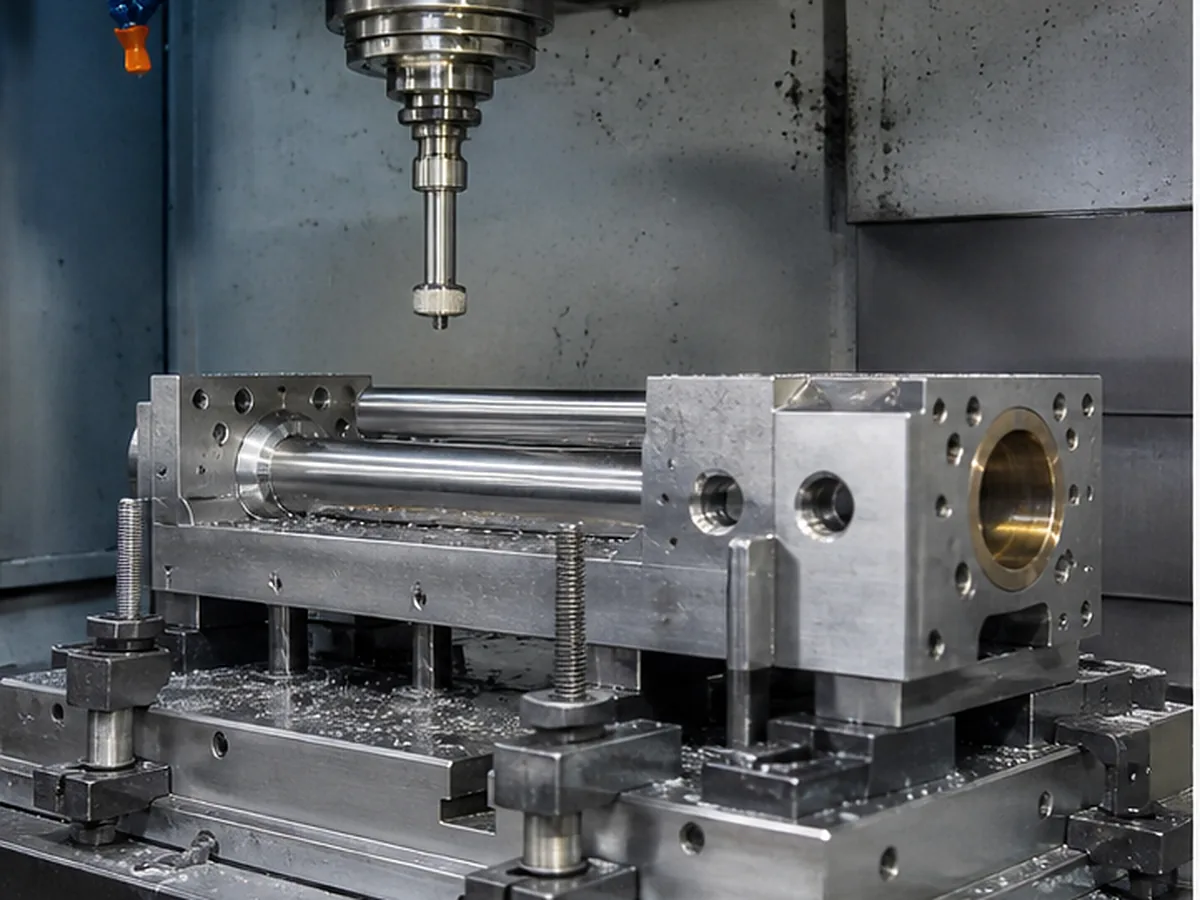
Choose a manufacturing process from part geometry, material, quantity, tolerance, tooling budget, lead time and expected design changes. CNC machining is strong for prototypes, low volume and precise material-removal features, but casting, molding, sheet metal or additive manufacturing can be more economical under different conditions.
Choose the Comparison That Matches Your Decision
CNC Milling vs Turning
Choose from prismatic versus rotational geometry.
3-Axis vs 5-Axis
Compare feature access, setups, surface geometry and machine cost.
CNC vs Additive
Compare production material, internal geometry, finish and quantity.
CNC vs Tooling-Based Production
Compare low upfront cost with high-volume unit economics.
Material Comparisons
Compare grades using service environment and functional priorities.
Six Questions That Usually Decide the Process
- How many parts are required now and annually?
- Will the design change after testing?
- Can the geometry be reached by tools, dies or molds?
- Which material properties must remain production-intent?
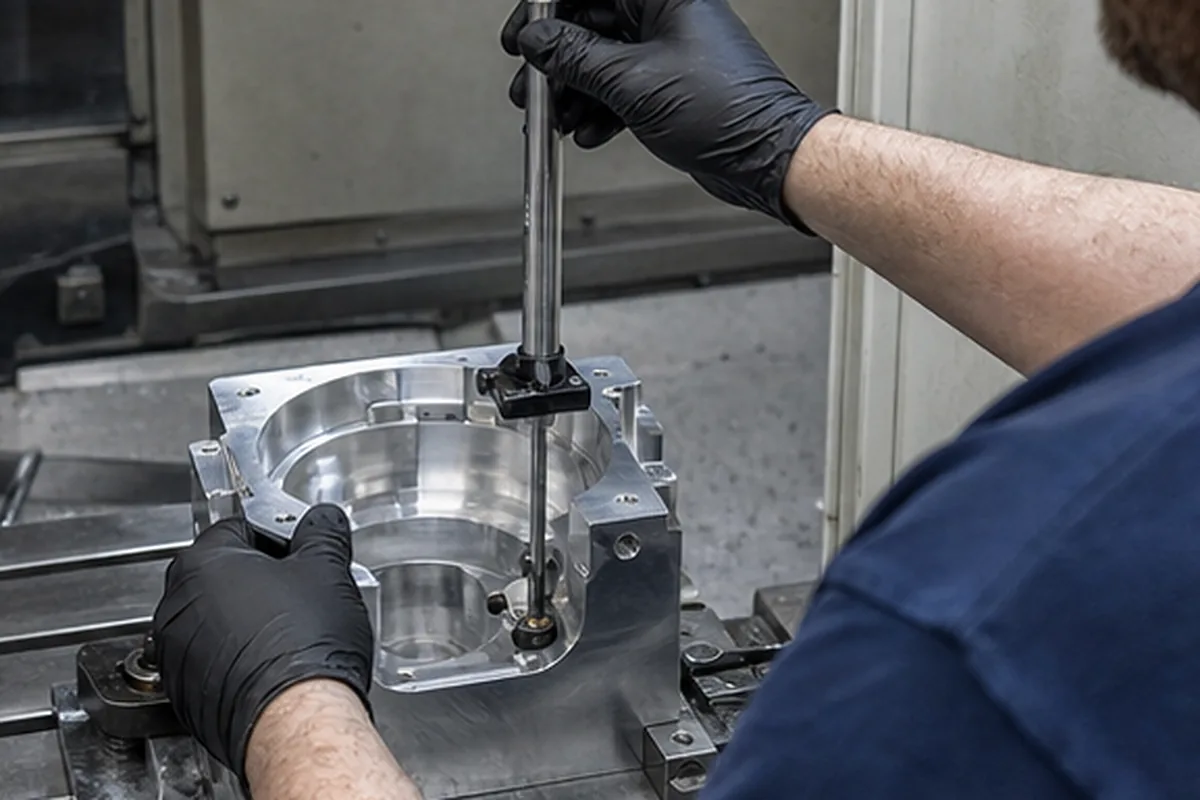
- What tolerance, finish and inspection are functional?
- What tooling budget and delivery date are acceptable?
Do Not Compare Unit Price Alone
Total cost includes tooling, design changes, qualification, material, processing, finishing, inspection, scrap, inventory and service life. A high-volume process can have the lowest unit price but the highest risk if the design is not stable.
Hybrid Routes Are Common
A project may use 3D printing or CNC for prototypes, CNC for bridge production, and casting or molding after the design stabilizes. Critical interfaces on cast or molded parts may still be finish machined.
Our Review Method for CNC Machining Process and Material Comparisons Requirements
When buyers can overpay or lose datum consistency when a process is chosen from a machine label instead of the part geometry, unnecessary setups or an unjustified high-end route can add cost without improving the functional result. For CNC Machining Process and Material Comparisons, our engineering and quotation review compares rotational versus prismatic geometry, feature access, datum relationships, workholding, batch size and measurement access before selecting milling, turning or a combined route. This helps reduce rework, approval delays and avoidable purchasing cost without turning a screening assumption into a capability guarantee.
For the CNC Machining Process and Material Comparisons buying decision, we confirm the route only after reviewing the 2D drawing and 3D model, overall size, material state, critical datums and tolerances, quantity, finish and inspection documents. Any unresolved item is listed as an RFQ clarification so the buyer can compare scope, evidence, price and lead time on the same basis.
Specify CNC Machining Process and Material Comparisons Before Quotation
For CNC Machining Process and Material Comparisons, state the exact material designation, governing standard and condition or temper; the family name alone is not enough. Include stock form, hardness or heat-treatment state, certificate and lot-traceability needs, and whether substitutions require written approval.
- Provide the controlling 2D drawing, 3D CAD model, part number and revision.
- Identify functional dimensions, datum-based GD&T, threads and surface-roughness locations.
- Define heat treatment, finish specification, masking, dimensional compensation and appearance zones.
- State prototype quantity, annual demand, inspection records, packaging, destination, target date, NDA needs and the DFM changes the buyer may consider.
Use the complete CNC RFQ checklist before requesting price and lead time.
Compare Processes Using Your Actual Part
Send geometry, material, quantities, annual demand, tolerances and design stage.