

Manufacturing-Network Capability
Swiss CNC Machining for Small-Diameter Precision Parts
Formexi evaluates Swiss-type machining through qualified manufacturing-network capacity for small shafts, pins, connectors and other slender turned parts. Diameter, length, material, annual quantity and tolerance determine whether Swiss machining is more suitable than conventional turning.
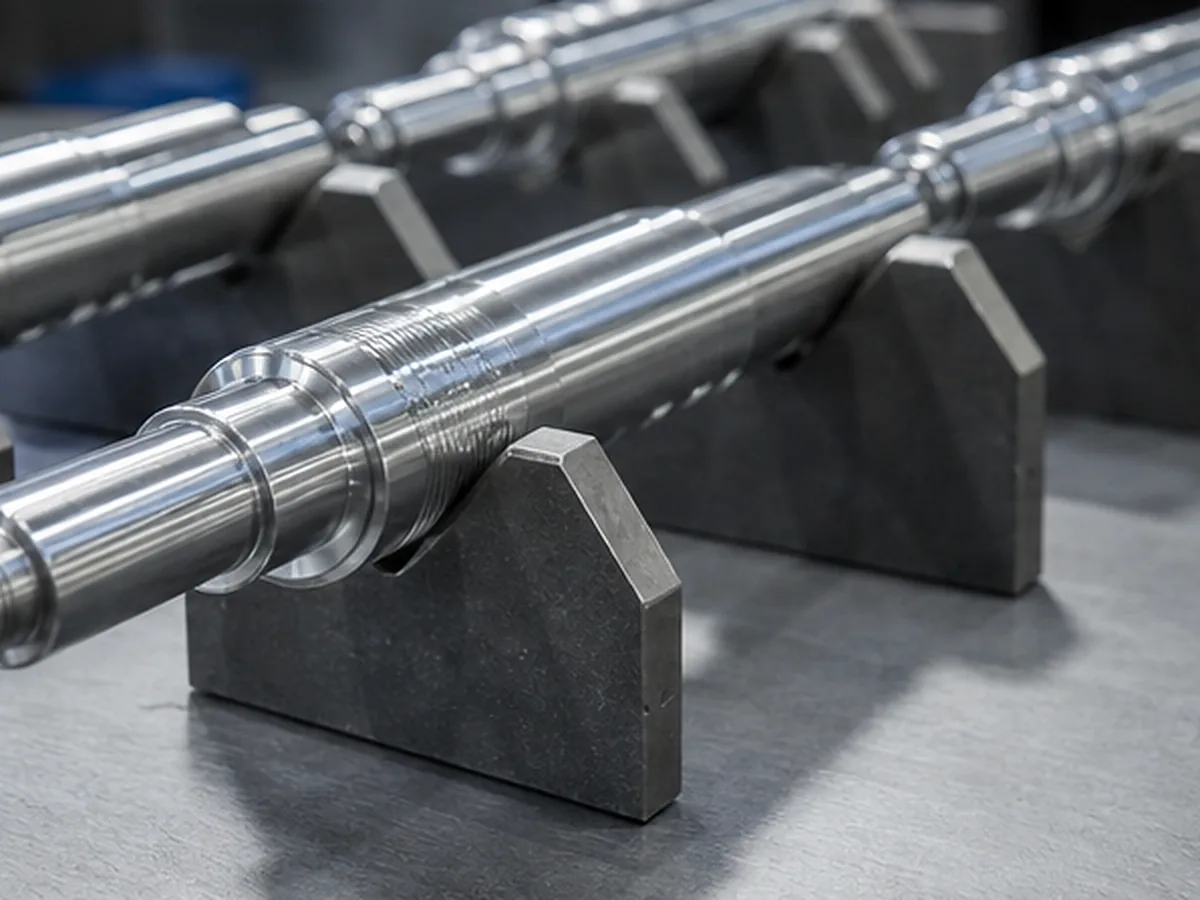
When Swiss Machining May Be Suitable
- Small-diameter parts with a high length-to-diameter ratio
- Repeat quantities that justify bar-fed production
- Parts combining turning with small drilled or milled features
- Components requiring support close to the cutting zone
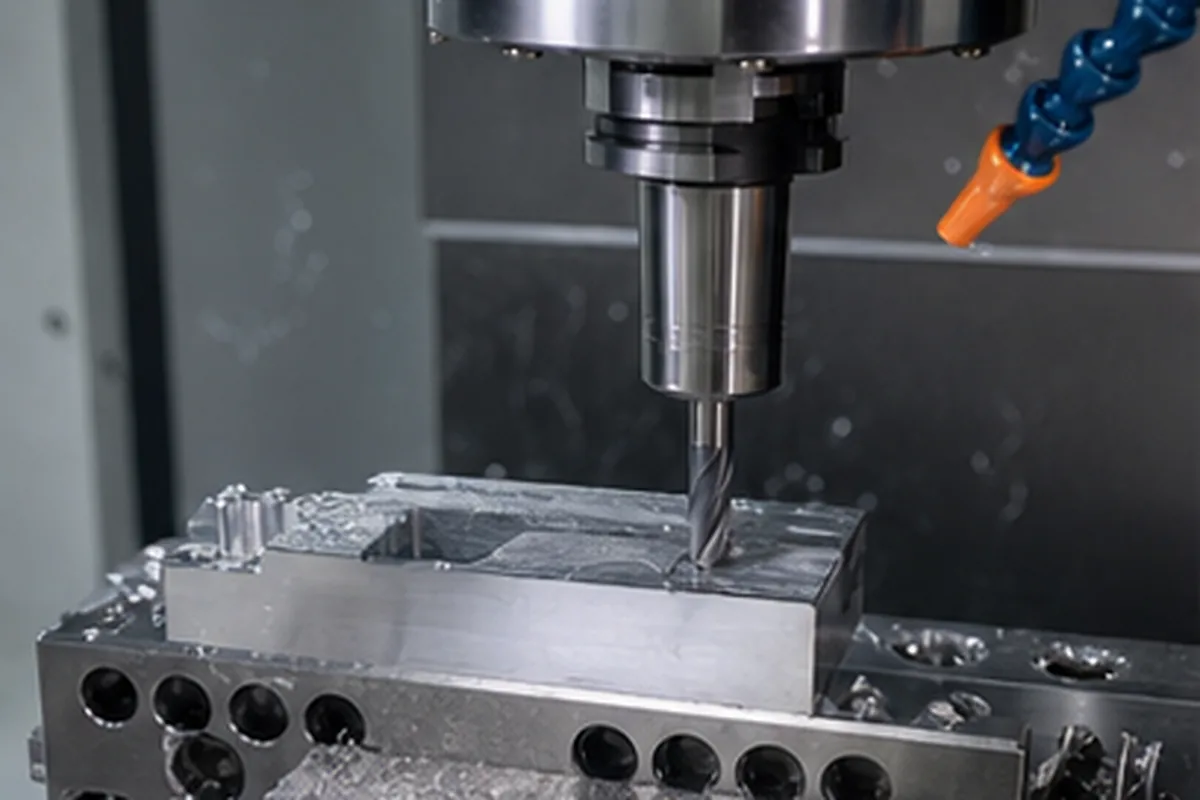
What Buyers Should Provide
Provide stock diameter, finished length, material, quantity, thread class, runout, surface finish, burr requirements and annual demand. Small features must be dimensioned clearly because tool access and inspection can be more limiting than nominal part size.
Swiss Versus Conventional Turning
| Condition | Likely direction |
|---|---|
| Short, moderate-diameter prototype | Conventional CNC turning may be more economical. |
| Long, small-diameter repeat part | Swiss machining may improve support and productivity. |
| Very low quantity with complex setup | Compare setup cost before selecting Swiss machining. |
| Tight ground diameter | Turning plus grinding may still be required. |
Capability and Quality Boundary
Swiss machining is currently identified as a manufacturing-network capability. Supplier machine models, minimum/maximum diameter, bar capacity, inspection equipment and traceability must be confirmed for each quotation and cannot be presented as Formexi-owned capacity.
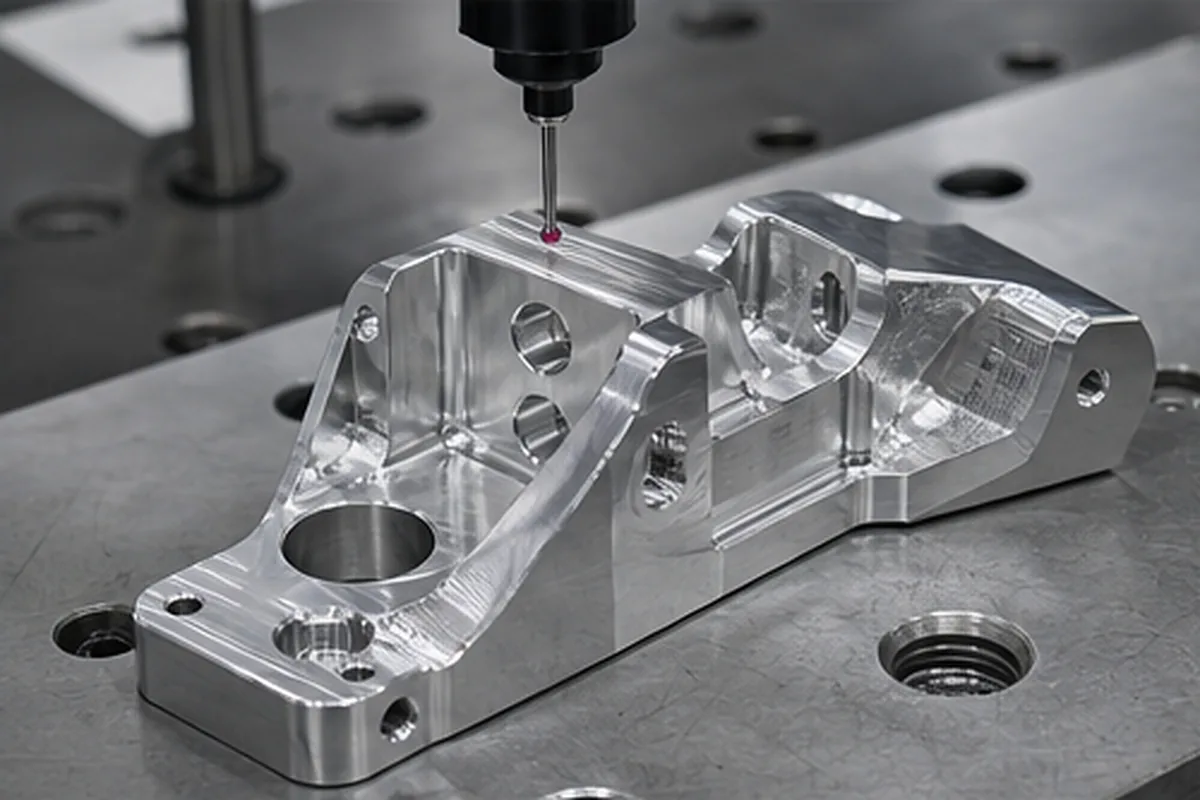
Review a Small Precision Turned Part
Send the drawing, annual quantity and critical diameter/runout requirements for process comparison.