

High-Performance Polymer
PEEK CNC Machining for High-Temperature and Chemical-Resistant Parts
Formexi evaluates natural and filled PEEK components where higher temperature capability, chemical resistance, strength or electrical performance justifies the material cost. Exact grade, reinforcement, compliance and dimensional requirements must be confirmed before stock purchase and machining.
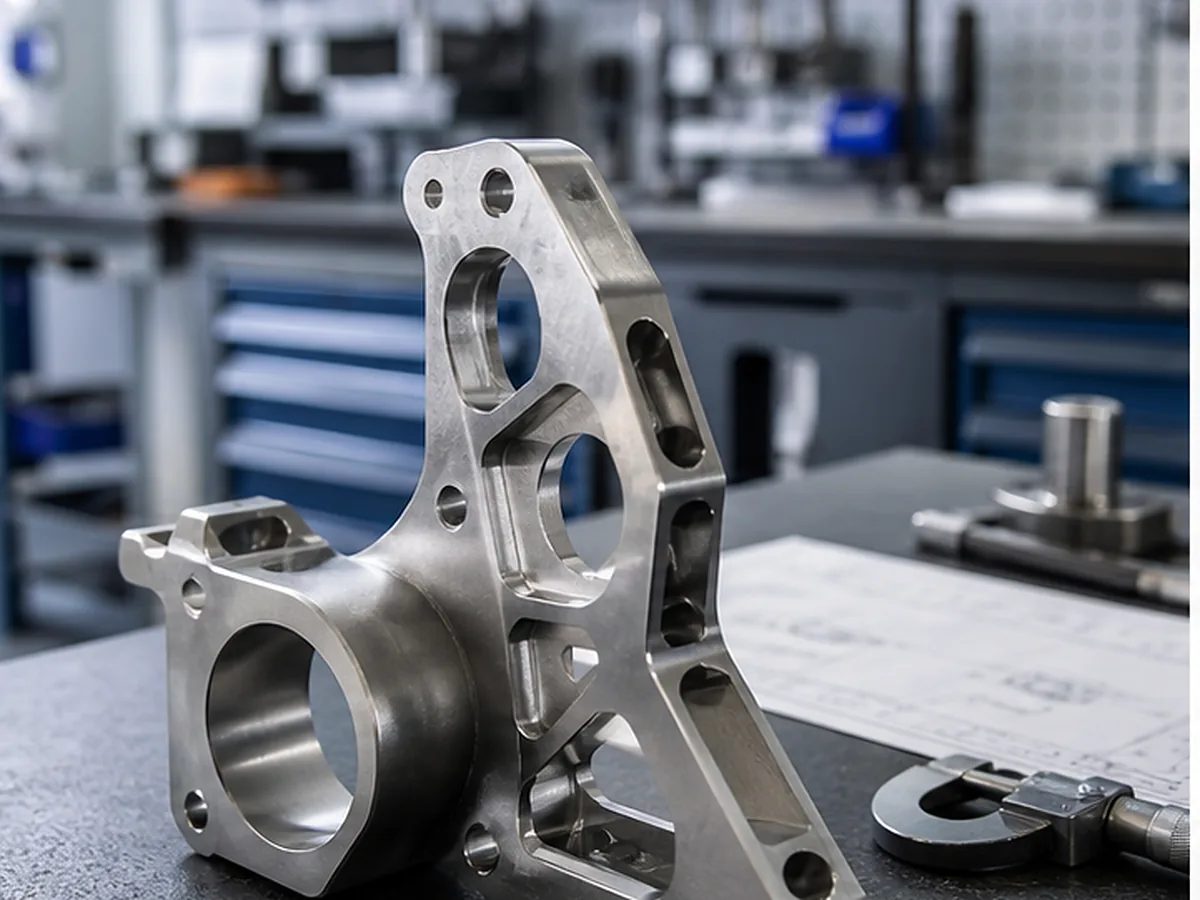
When PEEK May Be Considered
- High-temperature mechanical and electrical components
- Chemical-processing and laboratory equipment parts
- Wear, bearing or sealing applications using an appropriate grade
- Weight-sensitive parts requiring more performance than general plastics
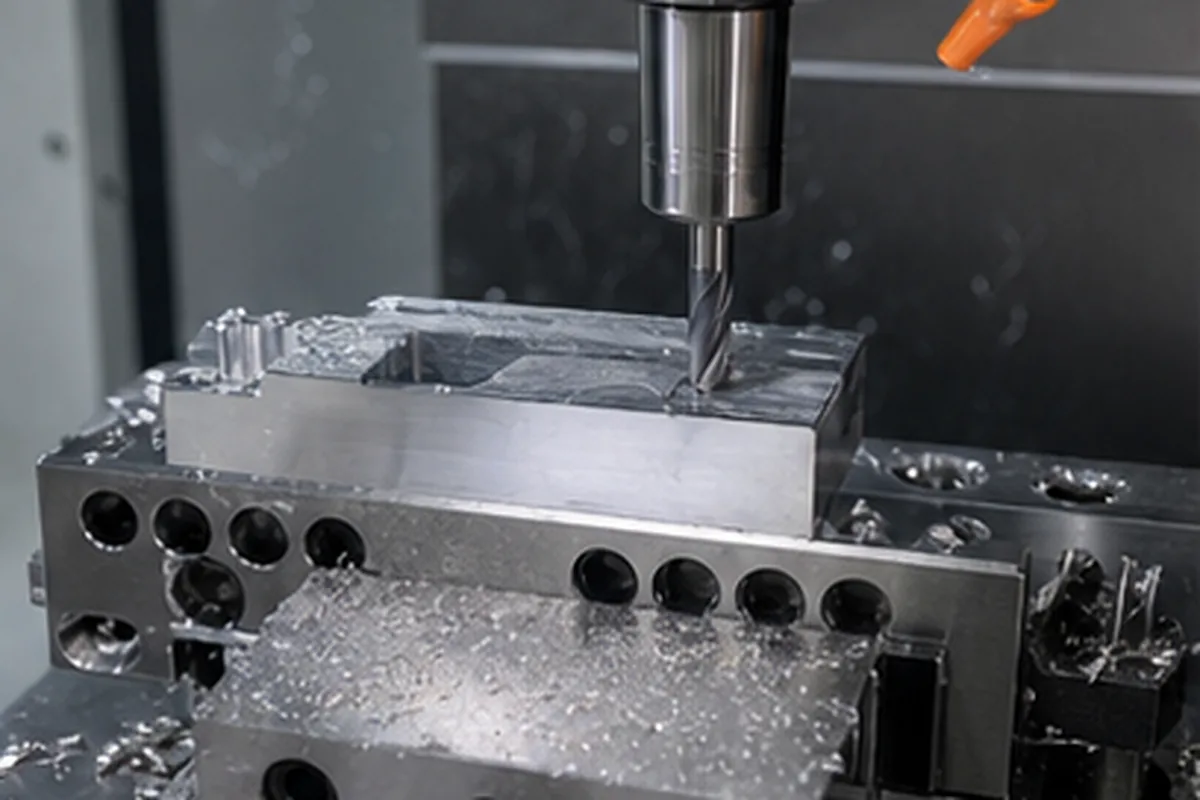
Natural Versus Filled PEEK
| Grade direction | Potential reason | Important boundary |
|---|---|---|
| Natural PEEK | General high-performance use | Strength, wear and compliance still grade-specific |
| Glass-filled | Stiffness and dimensional behavior | Abrasive machining and directional behavior |
| Carbon-filled | Stiffness, wear or thermal/electrical behavior | Tool wear, anisotropy and exact formulation |
| Bearing grade | Friction and wear | Counterface, lubrication and load must be tested |
Machining Risks
PEEK stock cost makes scrap prevention important. Heat, clamping, thin walls, internal stress and reinforced fibers can affect size and finish. Engineering may recommend staged machining, stabilization, generous radii or a prototype before a production batch.
Medical and Regulatory Boundary
Industrial PEEK is not automatically implantable or medical grade. Medical, food, aerospace, semiconductor or electrical compliance requires the exact manufacturer grade, traceability, processing controls and applicable certification. Formexi does not claim ISO 13485 or implant manufacturing capability without verified evidence.
Quality and Material Documentation
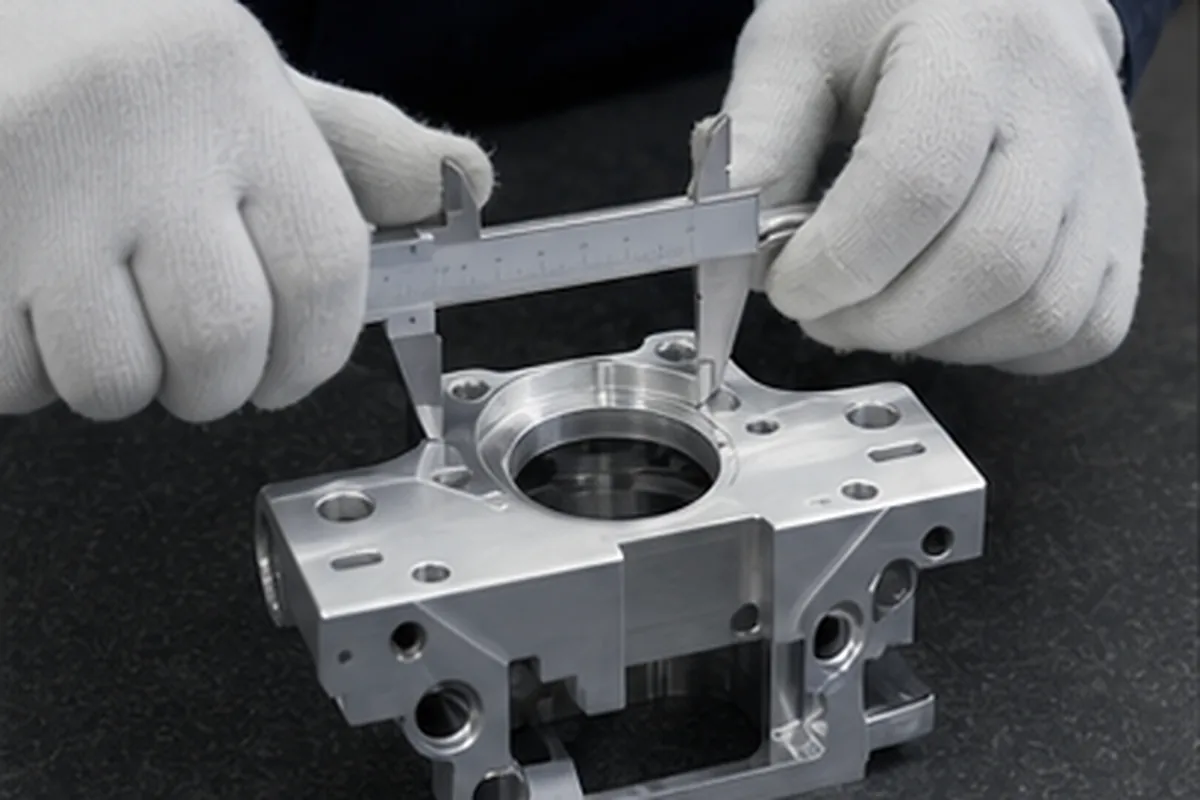
Specify manufacturer, grade, color/filler, lot traceability, certificate, inspection environment and cleaning requirements. Material substitution is not permitted without approval. XRF is generally not a substitute for polymer-grade documentation.
Standards and Regulatory Sources Used on This Page
For PEEK CNC Machining for High-Temperature and Chemical-Resistant Parts, these primary sources define the scope of cited standards or regulations. They do not prove Formexi certification, a customer approval or project compliance; those require current, scope-matched records.
Specify PEEK CNC Machining for High-Temperature and Chemical-Resistant Parts Before Quotation
For PEEK CNC Machining for High-Temperature and Chemical-Resistant Parts, state the exact material designation, governing standard and condition or temper; the family name alone is not enough. Include stock form, hardness or heat-treatment state, certificate and lot-traceability needs, and whether substitutions require written approval.
- Provide the controlling 2D drawing, 3D CAD model, part number and revision.
- Identify functional dimensions, datum-based GD&T, threads and surface-roughness locations.
- Define heat treatment, finish specification, masking, dimensional compensation and appearance zones.
- State prototype quantity, annual demand, inspection records, packaging, destination, target date, NDA needs and the DFM changes the buyer may consider.
Use the complete CNC RFQ checklist before requesting price and lead time.
Review PEEK Before Purchasing Stock
Send temperature, chemical, load, compliance, grade and dimensional requirements.