

Engineering Plastics
Plastic CNC Machining for Insulating and Low-Friction Parts
Formexi machines engineering plastics for prototypes and production parts requiring low weight, electrical insulation, chemical resistance, low friction or specialized temperature performance. Polymer grade, reinforcement, moisture condition and service temperature must be specified because plastics do not hold dimensions like metals.
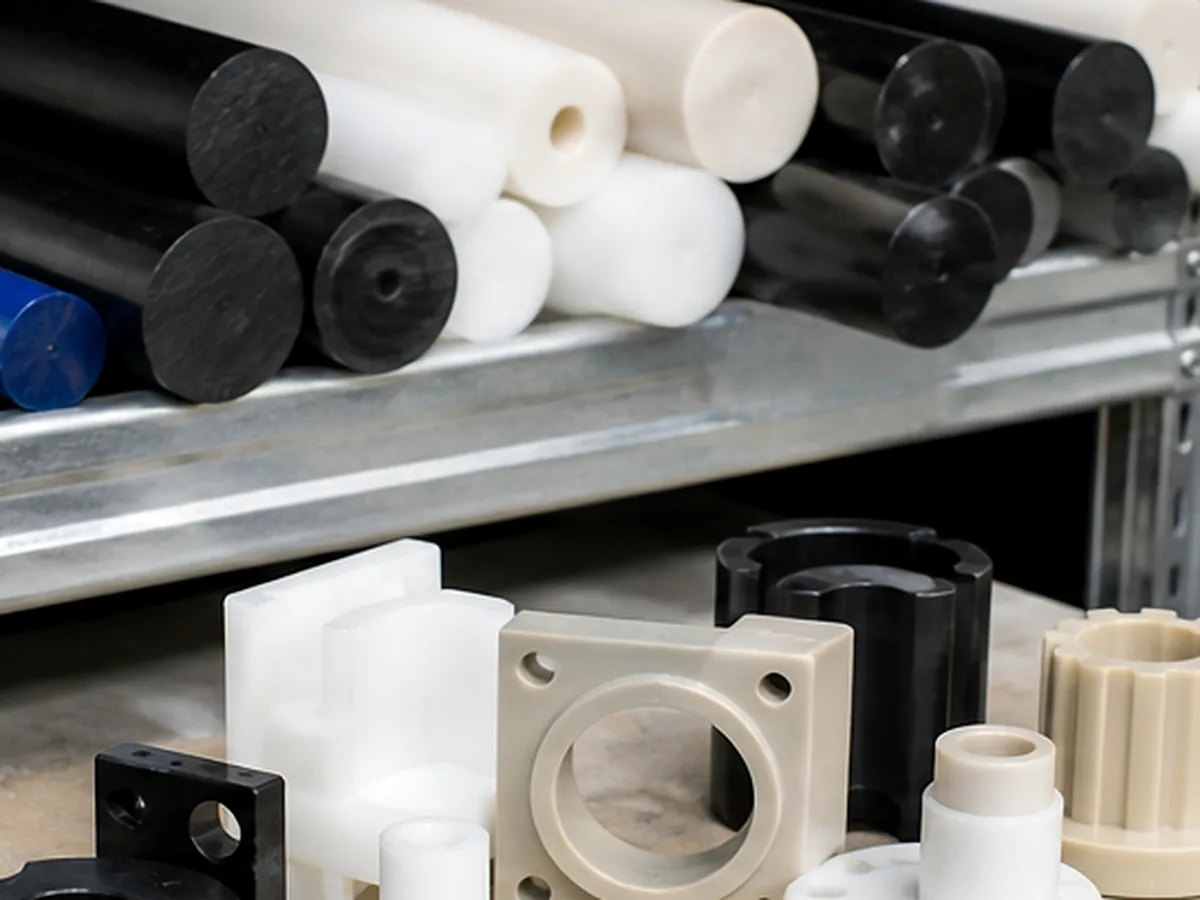
Common Plastic Selection Directions
| Material | Often selected for | Main review |
|---|---|---|
| POM/Acetal | Stable precision parts, low friction and general mechanisms | Grade, centerline porosity and temperature |
| Nylon | Wear parts, rollers, guides and impact-related components | Moisture absorption and dimensional change |
| PEEK | Higher temperature, chemical and strength requirements | Cost, grade, stress and application compliance |
| PTFE | Low friction and chemical resistance | Creep, softness and clamping deformation |
| PC/PMMA | Impact or optical/visual components | Stress cracking, finish and transparency |
| PEI/PAI/PPS | High-performance electrical or thermal applications | Grade, reinforcement, cost and process control |
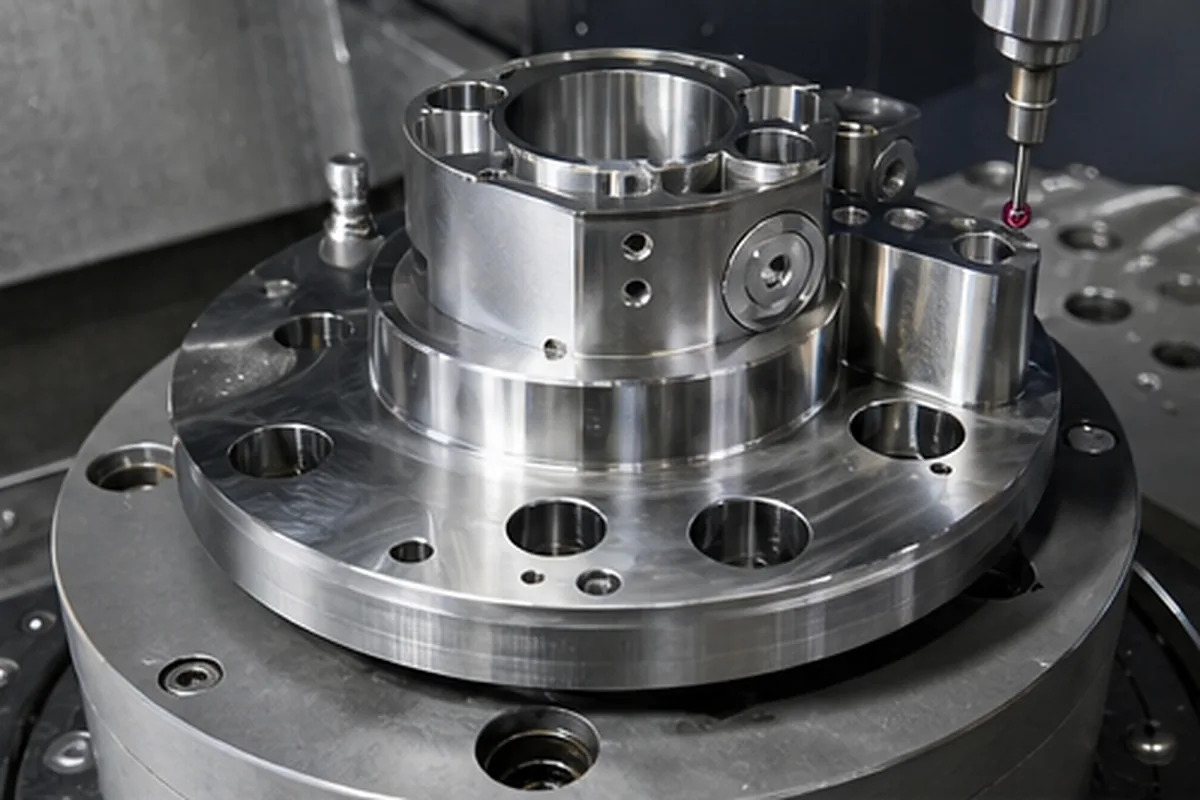
Why Plastic Tolerances Need Conditions
Temperature, moisture, internal stress, clamping and time after machining can change dimensions. A part may measure differently immediately after cutting and after conditioning. Drawing tolerances should reflect service function and specify measurement environment where necessary.
Machining and Design Guidance
- Avoid excessive clamping on soft or thin parts.
- Use practical wall thickness and gradual geometry transitions.
- Review heat generation and chip removal to prevent melting or smearing.
- Define burr, fuzz and edge expectations.
- Identify whether filled/reinforced grade orientation affects the result.
Material Certification and Compliance
Medical, food-contact, flame, electrical or aerospace claims require the exact grade and supplier documentation. A generic “PEEK” or “nylon” label is insufficient. Formexi does not claim implant, biocompatible or certified-grade compliance without traceable evidence.
When Metal May Be Better
Choose metal when stiffness, thread durability, heat dissipation, dimensional stability or high load dominates. Inserts, bushings or hybrid assemblies may solve local wear or thread requirements without changing the entire part to metal.
Specify Plastic CNC Machining for Insulating and Low-Friction Parts Before Quotation
For Plastic CNC Machining for Insulating and Low-Friction Parts, state the exact material designation, governing standard and condition or temper; the family name alone is not enough. Include stock form, hardness or heat-treatment state, certificate and lot-traceability needs, and whether substitutions require written approval.
- Provide the controlling 2D drawing, 3D CAD model, part number and revision.
- Identify functional dimensions, datum-based GD&T, threads and surface-roughness locations.
- Define heat treatment, finish specification, masking, dimensional compensation and appearance zones.
- State prototype quantity, annual demand, inspection records, packaging, destination, target date, NDA needs and the DFM changes the buyer may consider.
Use the complete CNC RFQ checklist before requesting price and lead time.
Select Plastic by Service Condition
Provide temperature, chemicals, moisture, load, friction, electrical and tolerance requirements.