

Process Selection
CNC Milling vs Turning: Which Process Fits Your Part?
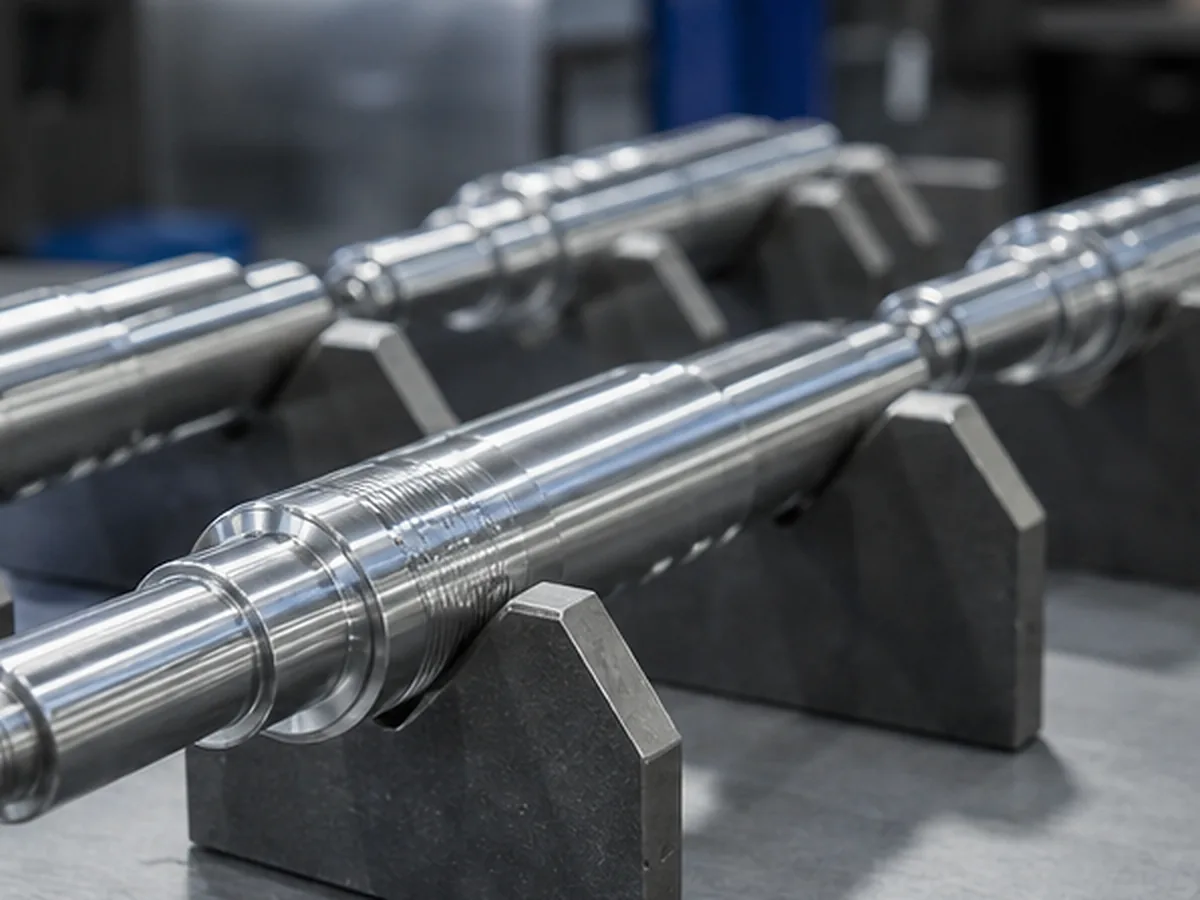
Choose CNC turning when the main geometry is rotational around a centerline. Choose CNC milling when the part is primarily prismatic with faces, pockets and off-axis features. Parts combining both may use mill-turn, live tooling or separate turning and milling based on quantity and tolerance relationships.
Direct Comparison
| Factor | CNC milling | CNC turning |
|---|---|---|
| Primary geometry | Blocks, plates, housings and brackets | Shafts, pins, bushings and fittings |
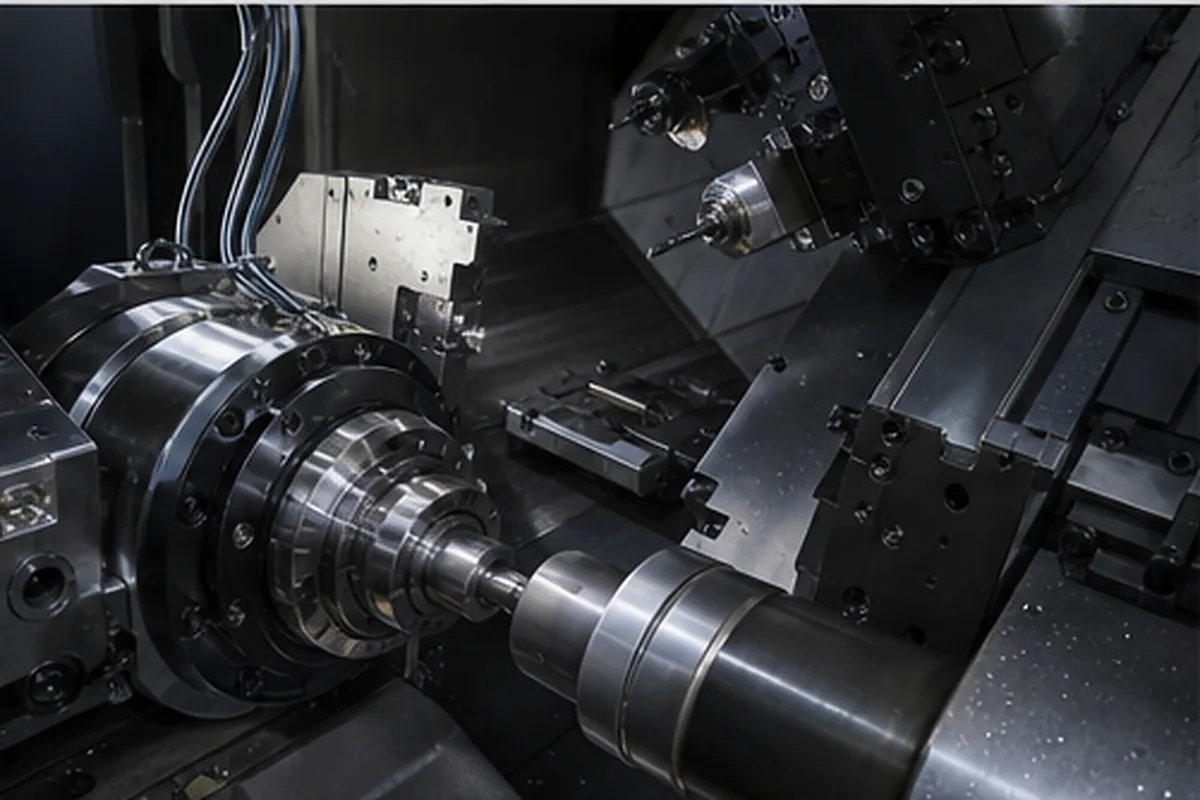
| Workpiece motion | Tool rotates; work is positioned | Workpiece rotates around spindle axis |
| Typical features | Pockets, faces, slots and multi-face holes | Diameters, bores, grooves and axial threads |
| Critical relationships | Face/feature position and orientation | Concentricity, runout and diameter |
| Combined parts | May need rotary setup or turning first | May need live tooling or secondary milling |
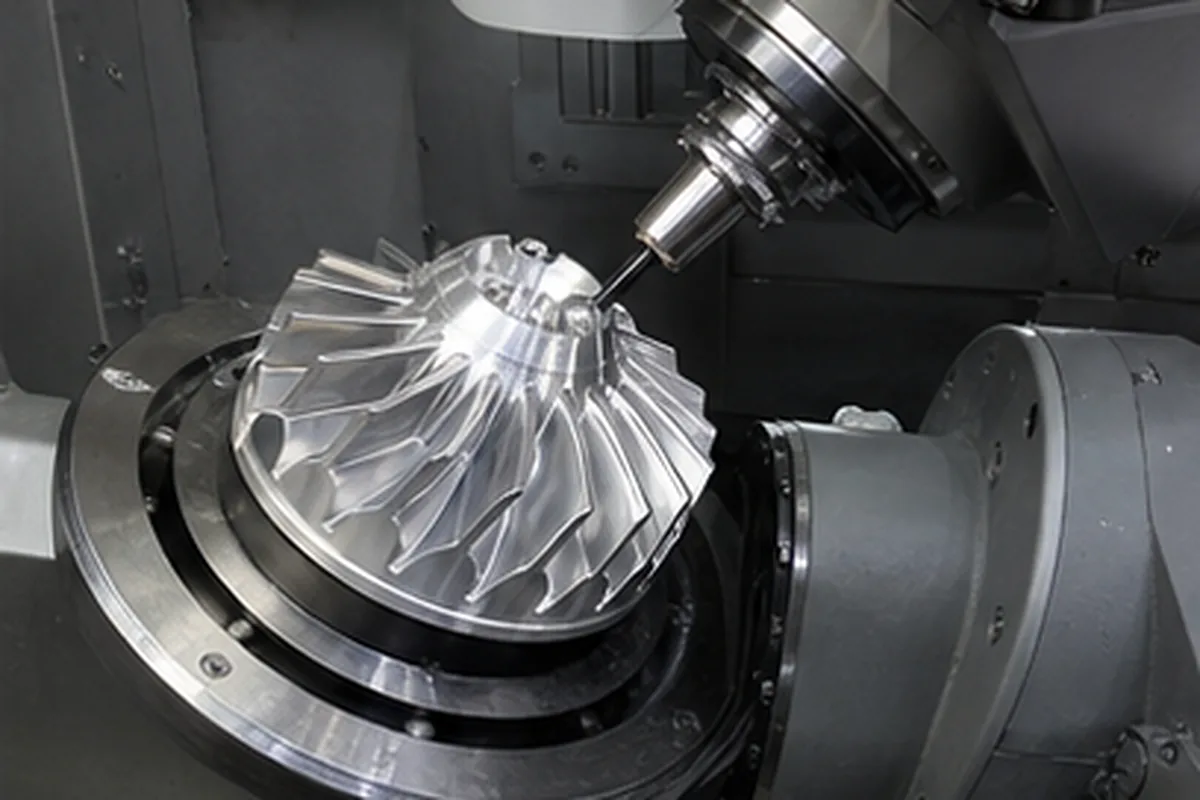
Choose Turning for Rotational Geometry and Milling for Prismatic Features
A shaft with one small flat is usually a turning part with a secondary milling feature. A rectangular housing with one circular bore is usually a milling part. Starting from the dominant geometry minimizes setup and stock removal.
When Mill-Turn May Help
Mill-turn may reduce datum transfer when a rotational component has significant cross holes, flats or off-axis features. It is not automatically cheaper: machine cost, programming, setup and quantity must justify the combined route.
Tolerance and Inspection
Turning naturally controls features sharing a spindle axis, while milling controls features through setup datums. If a critical relationship crosses the two processes, define the controlling datum and inspection method clearly.
Common Design Error
Choosing a process from one visible feature rather than the complete geometry, or applying tight runout/position controls without a functional datum shared by machining and inspection.
From CNC Milling vs Turning: Which Process Fits Your Part? Requirements to a Controlled Manufacturing Plan
When buyers can overpay or lose datum consistency when a process is chosen from a machine label instead of the part geometry, unnecessary setups or an unjustified high-end route can add cost without improving the functional result. For CNC Milling vs Turning: Which Process Fits Your Part?, our engineering and quotation review compares rotational versus prismatic geometry, feature access, datum relationships, workholding, batch size and measurement access before selecting milling, turning or a combined route. This helps reduce rework, approval delays and avoidable purchasing cost without turning a screening assumption into a capability guarantee.
For the CNC Milling vs Turning: Which Process Fits Your Part? buying decision, we confirm the route only after reviewing the 2D drawing and 3D model, overall size, material state, critical datums and tolerances, quantity, finish and inspection documents. Any unresolved item is listed as an RFQ clarification so the buyer can compare scope, evidence, price and lead time on the same basis.
Confirm the Process for CNC Milling vs Turning: Which Process Fits Your Part
For CNC Milling vs Turning: Which Process Fits Your Part, submit the 2D drawing and 3D model with matching revision, exact material and condition, quantity and repeat demand. Identify relevant datums, critical tolerances, GD&T, threads, difficult-access geometry, thin walls, roughness, heat treatment and finish requirements.
The route for CNC Milling vs Turning: Which Process Fits Your Part may require multiple setups, dedicated workholding, intermediate inspection or a justified secondary process. Select grinding, EDM, stress relief or post-finish verification only when the geometry and function require it; machine axis count alone does not establish final capability.