

Non-Implant Development Scope
CNC Machining for Medical Device Development Parts
Formexi evaluates non-implant prototypes, laboratory-equipment parts, fixtures and development components for medical-device projects. Until ISO 13485 certification and validated medical controls are verified, Formexi does not claim certified medical manufacturing or implant capability.
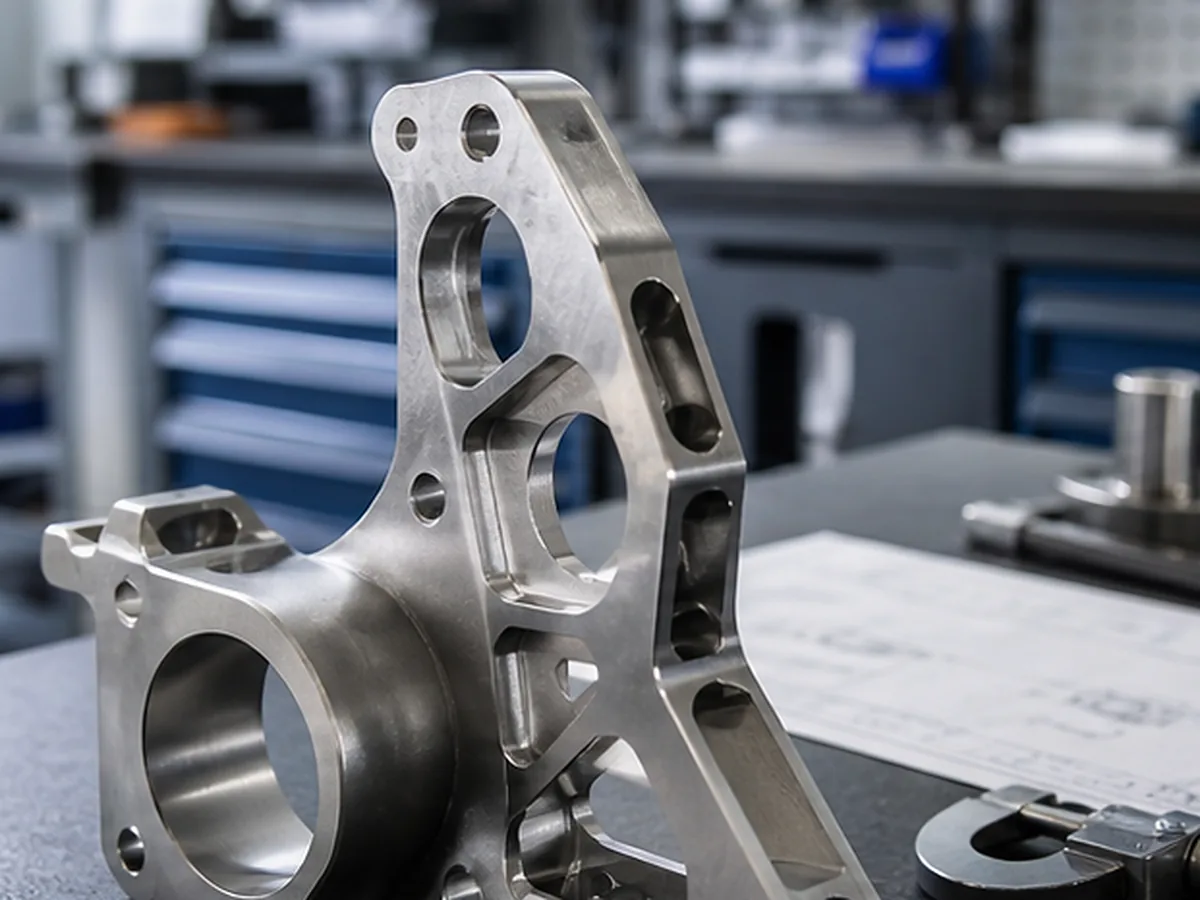
Appropriate Initial Scope
- Equipment housings, brackets and instrument frames
- Laboratory and diagnostic-equipment mechanical parts
- Test, assembly and inspection fixtures
- Non-implant prototype mechanisms
- Development parts with customer-controlled validation
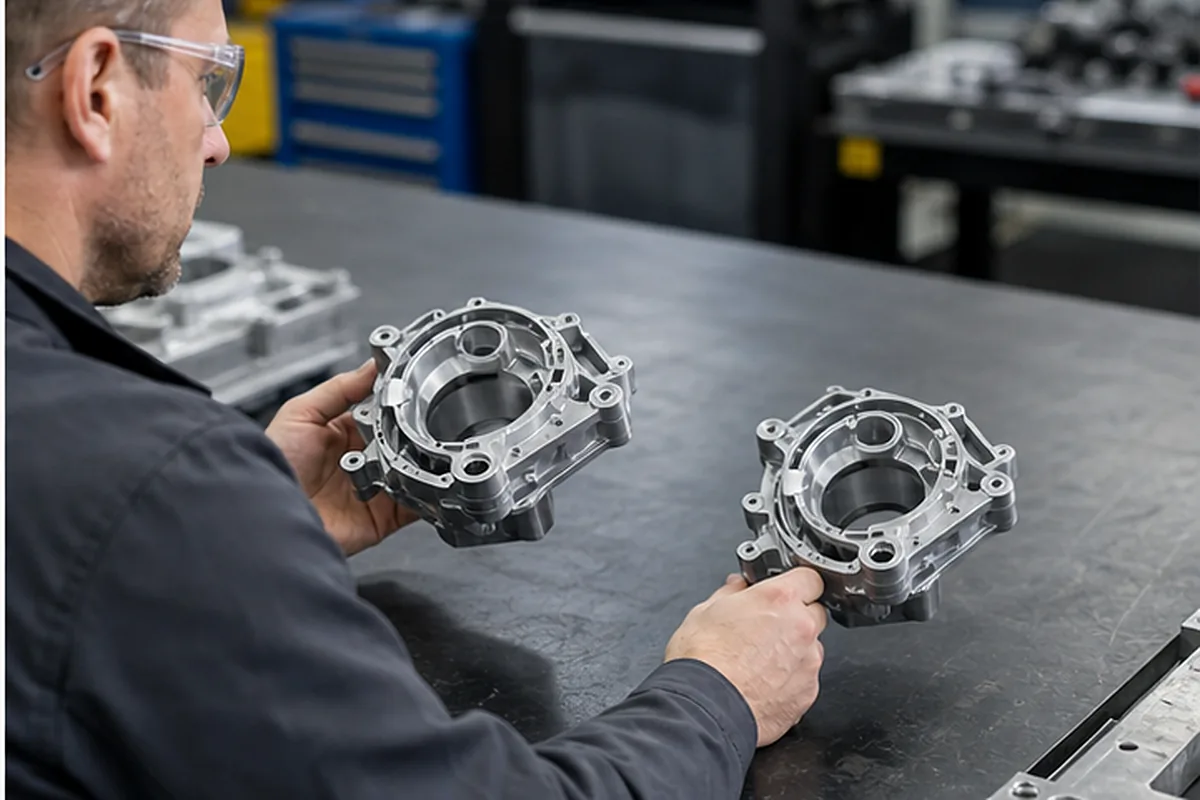
Requirements That Must Be Defined
| Requirement | Evidence needed |
|---|---|
| Material grade | Exact manufacturer/standard and traceable certificate |
| Biocompatibility | Approved material and complete device/process validation |
| Cleanliness | Specified cleaning, residue, packaging and validation |
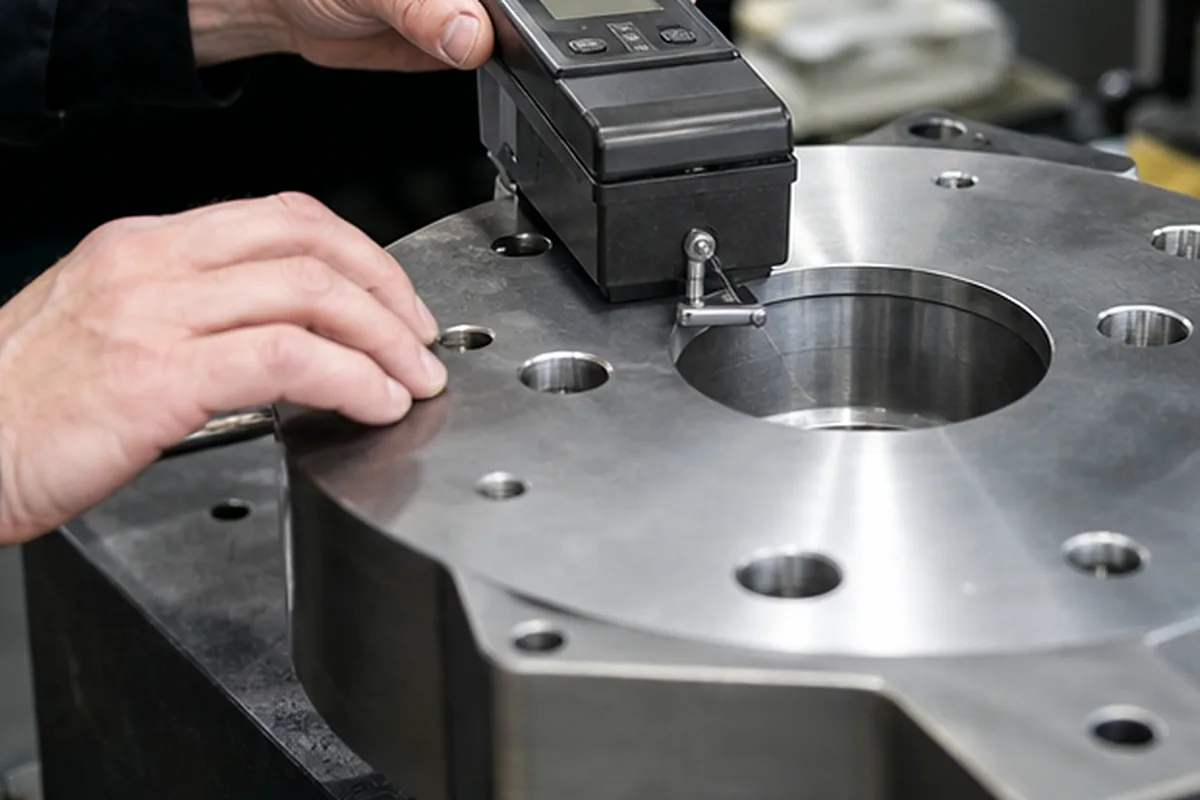
| Critical dimension | Risk-based inspection and controlled measurement |
| Regulatory record | Defined retention, change control and supplier approval |
Material Names Do Not Establish Medical Grade
316L, titanium or PEEK are not automatically implantable, sterile or biocompatible. Compliance depends on exact grade, source, processing, cleaning, traceability, biological evaluation and final-device validation.
Quality-System Boundary
Formexi has not supplied a verified ISO 13485 certificate, validated cleanroom or implant-process evidence. Such claims must not appear. The customer should identify supplier approval, risk-management and documentation requirements before quotation.
Supplier Qualification Evidence
Medical pages should use only authorized nonconfidential examples and must state development/non-implant scope unless stronger verified evidence exists.
Standards and Regulatory Sources Used on This Page
For CNC Machining for Medical Device Development Parts, these primary sources define the scope of cited standards or regulations. They do not prove Formexi certification, a customer approval or project compliance; those require current, scope-matched records.
How We Reduce Sourcing and Manufacturing Risk for CNC Machining for Medical Device Development Parts
The purchasing issue behind CNC Machining for Medical Device Development Parts is that buyers can overpay or lose datum consistency when a process is chosen from a machine label instead of the part geometry; as a result, unnecessary setups or an unjustified high-end route can add cost without improving the functional result. Our response is to compares rotational versus prismatic geometry, feature access, datum relationships, workholding, batch size and measurement access before selecting milling, turning or a combined route. The objective is to protect assembly and validation schedules while reducing preventable scrap, rework and supplier-change risk.
For the CNC Machining for Medical Device Development Parts buying decision, before we confirm price or delivery, the buyer should send the 2D drawing and 3D model, overall size, material state, critical datums and tolerances, quantity, finish and inspection documents. If a requirement cannot yet be verified, we keep it as an open condition instead of presenting it as a guaranteed result.
Define the Project Controls for CNC Machining for Medical Device Development Parts
For CNC Machining for Medical Device Development Parts, state the part function and risk class, customer specifications, approved material and special-process sources, traceability level, change-control rules, record retention and nonconformance approval path. Add cleanliness, contamination, ESD, cosmetic, packaging or export restrictions where applicable.
Industry use does not by itself prove certification or suitability. Confirm the legal manufacturing entity, certification scope and project-specific documentation before supplier approval.
Define the Regulatory and Development Boundary
Send device stage, part classification, material source, cleanliness, documentation and validation requirements.