

Stainless Steel
Stainless Steel CNC Machining for Corrosion-Resistant Parts
Formexi machines stainless steel parts where corrosion resistance, strength, temperature performance, hygiene or appearance matters. Grade selection must match the actual environment: 303, 304, 316L, 17-4PH and martensitic grades do not provide the same corrosion, hardness or machining behavior.
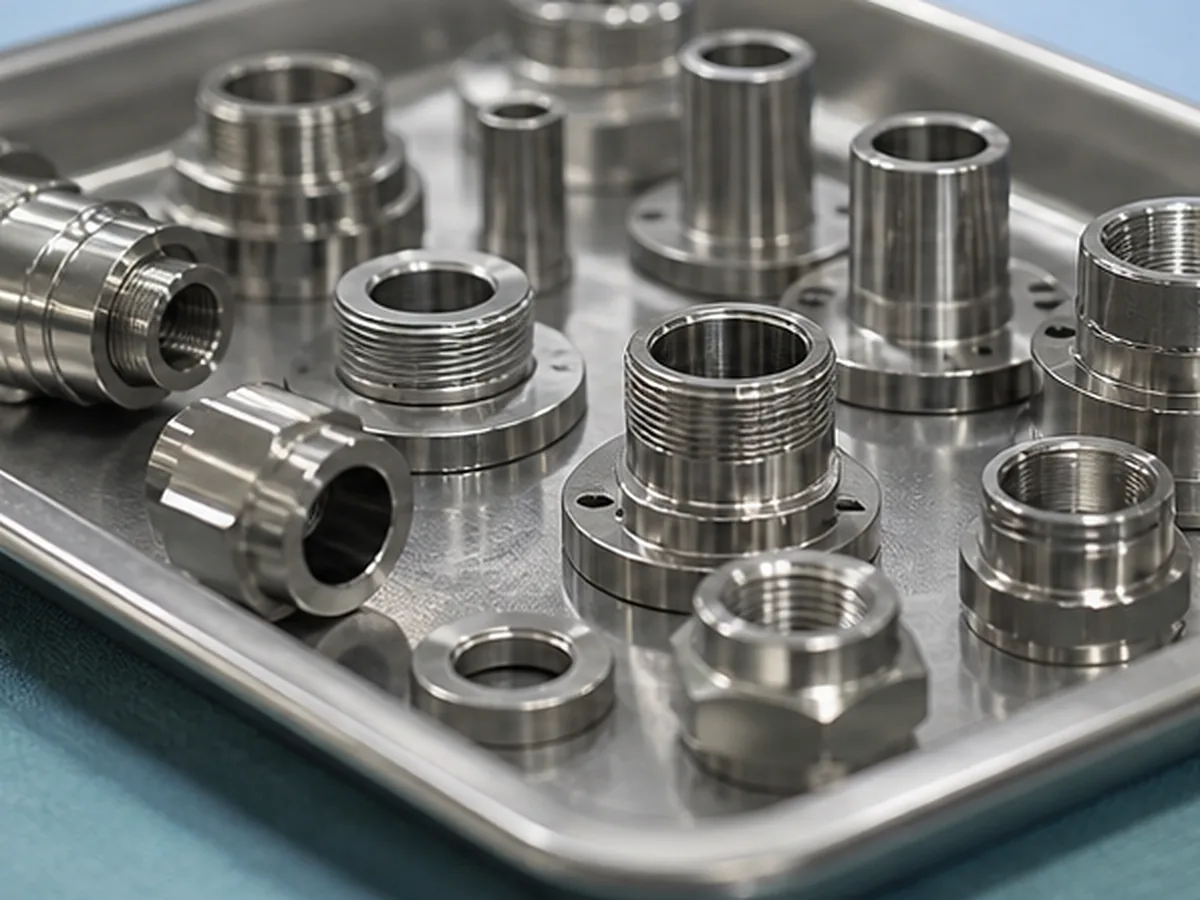
Common Grades and Selection Direction
| Grade family | Often selected for | Key boundary |
|---|---|---|
| 303 | Machinability-focused parts | Corrosion and welding differ from 304/316 |
| 304/304L | General corrosion resistance and fabricated/machined parts | Chloride pitting remains possible |
| 316/316L | More demanding chloride or chemical environments | Environment, temperature and crevices still matter |
| 17-4PH | Higher-strength precipitation-hardening applications | Condition and heat treatment must be specified |
| 410/420/440C | Hardness, wear or cutting-related applications | Heat treatment, distortion and corrosion tradeoffs |
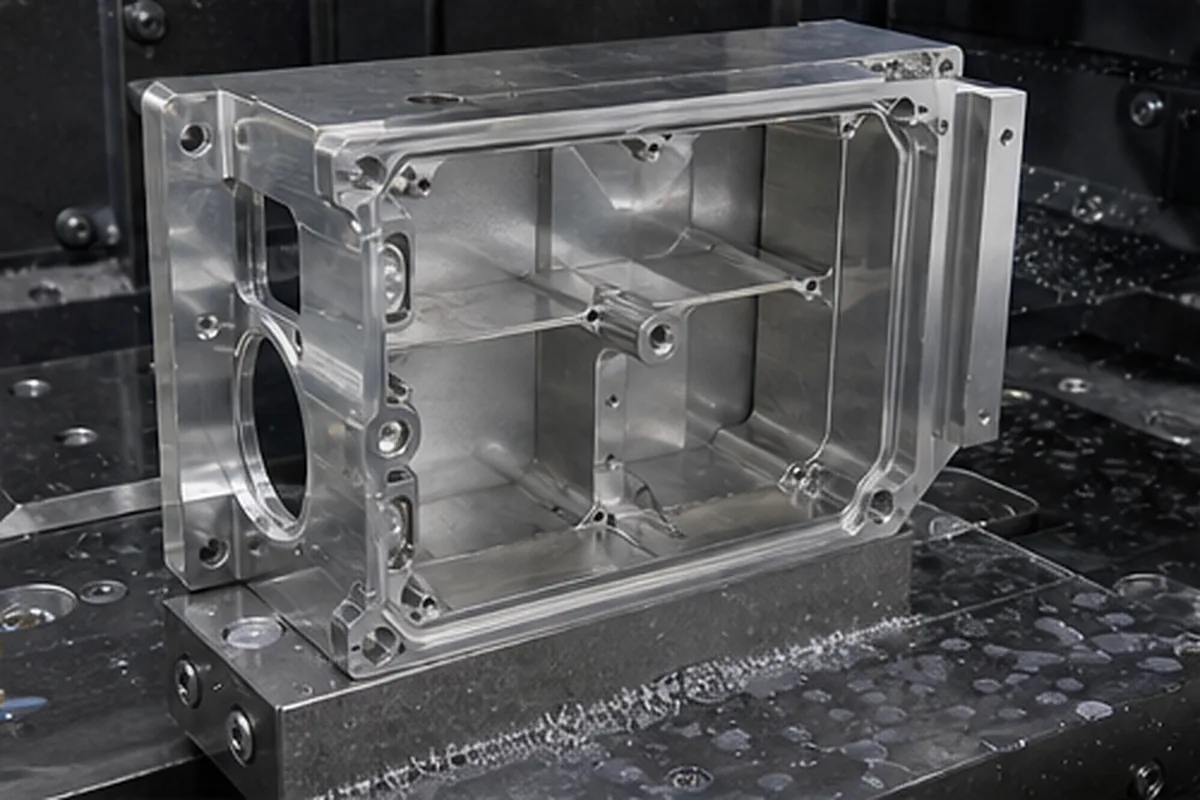
Machining Risks
Many stainless grades work harden and retain cutting heat. Poor tool engagement, rubbing or interrupted processing can increase wear and burrs. Thin sections may distort, while hardened grades may require grinding or an adjusted process sequence.
Corrosion Claims Need Service Conditions
“Stainless” does not mean corrosion-proof. Specify chlorides, chemicals, temperature, cleaning agents, crevices and contact with dissimilar metals. For marine, medical or food-contact use, material approval must follow the responsible application standard, not a general website statement.
Finishes
Options may include as-machined, passivation, bead blasting, brushing, polishing, electropolishing, black oxide for selected grades, plating and marking. Passivation removes free iron contamination but does not turn an unsuitable grade into a corrosion-proof material.
Quality and Documentation
State grade, condition, material standard, finish and certificate needs. Threads, sealing surfaces, hardness and passivation documentation should be agreed before production. PMI/XRF may support grade verification when quoted, but source certification remains important.
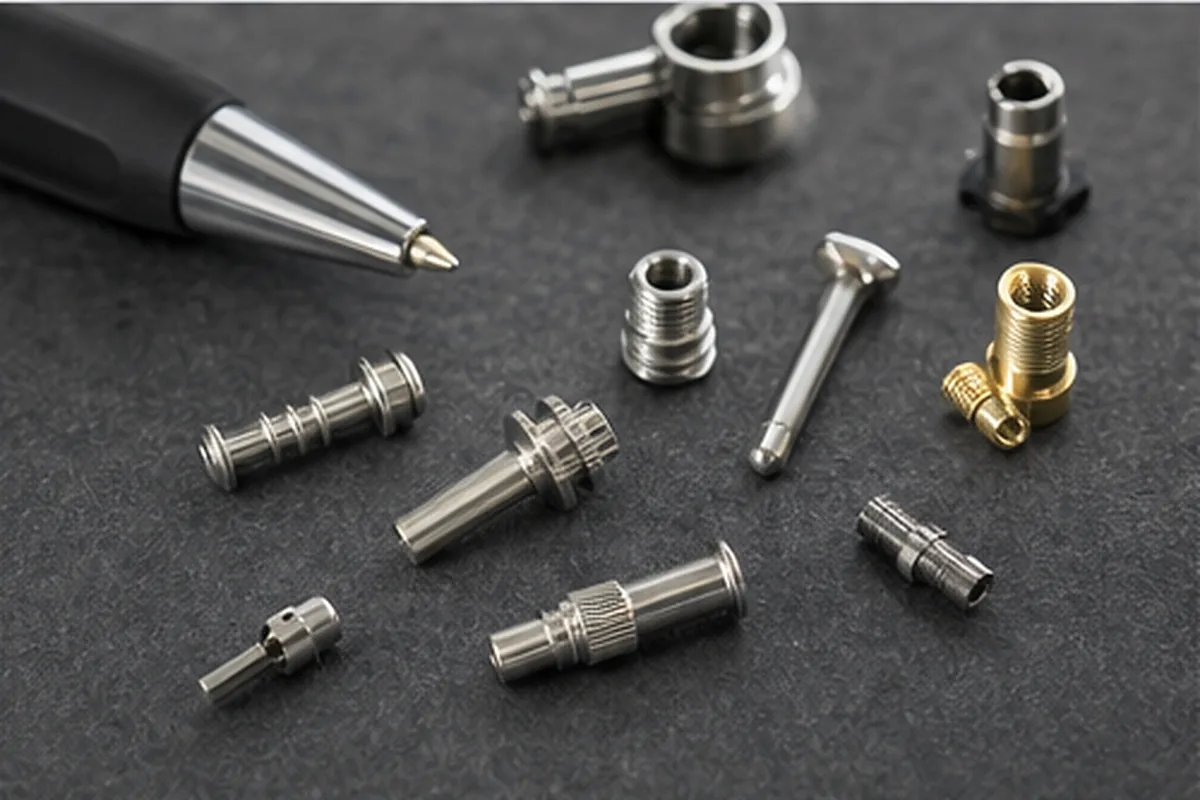
Our Review Method for Stainless Steel CNC Machining for Corrosion-Resistant Parts Requirements
The purchasing issue behind Stainless Steel CNC Machining for Corrosion-Resistant Parts is that stainless parts can combine work hardening, tool wear, burrs, heat and surface-finish requirements; as a result, an unstable cutting or deburring route can move critical sizes and leave assembly or cleanliness problems. Our response is to reviews grade and condition, keeps tools engaged with a controlled sequence, plans burr access, and separates machining, specified heat treatment and passivation stages, including the governing standard, masking and final dimensional acceptance. The objective is to protect assembly and validation schedules while reducing preventable scrap, rework and supplier-change risk.
For the Stainless Steel CNC Machining for Corrosion-Resistant Parts buying decision, before we confirm price or delivery, the buyer should send the stainless grade and condition, hardness, critical edges and threads, roughness, heat treatment, passivation specification and inspection scope. If a requirement cannot yet be verified, we keep it as an open condition instead of presenting it as a guaranteed result.
Select Stainless Steel From the Environment
Send exposure, temperature, load, finish and critical dimensions with the drawing.