

Prototype Manufacturing
CNC Prototype Machining for Functional Validation
Formexi machines prototype parts for fit, function, assembly and engineering validation in production-intent metals and plastics. The review protects dimensions that affect testing while identifying noncritical requirements that may unnecessarily increase prototype cost or lead time.
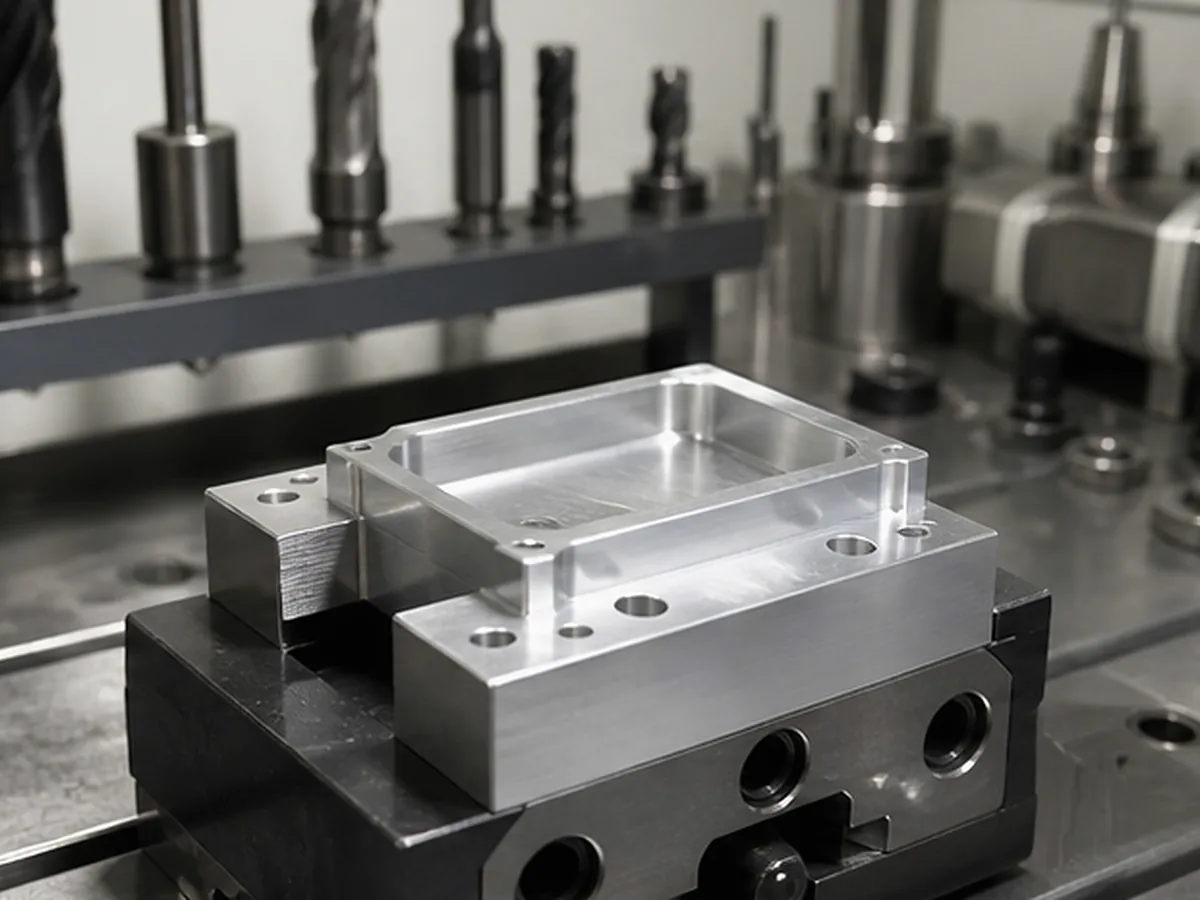
What a CNC Prototype Can Validate
- Mechanical fit and assembly interfaces
- Functional movement, load path or sealing geometry
- Material behavior closer to the intended production part
- Machined appearance and selected finishes
- Drawing completeness before a larger order
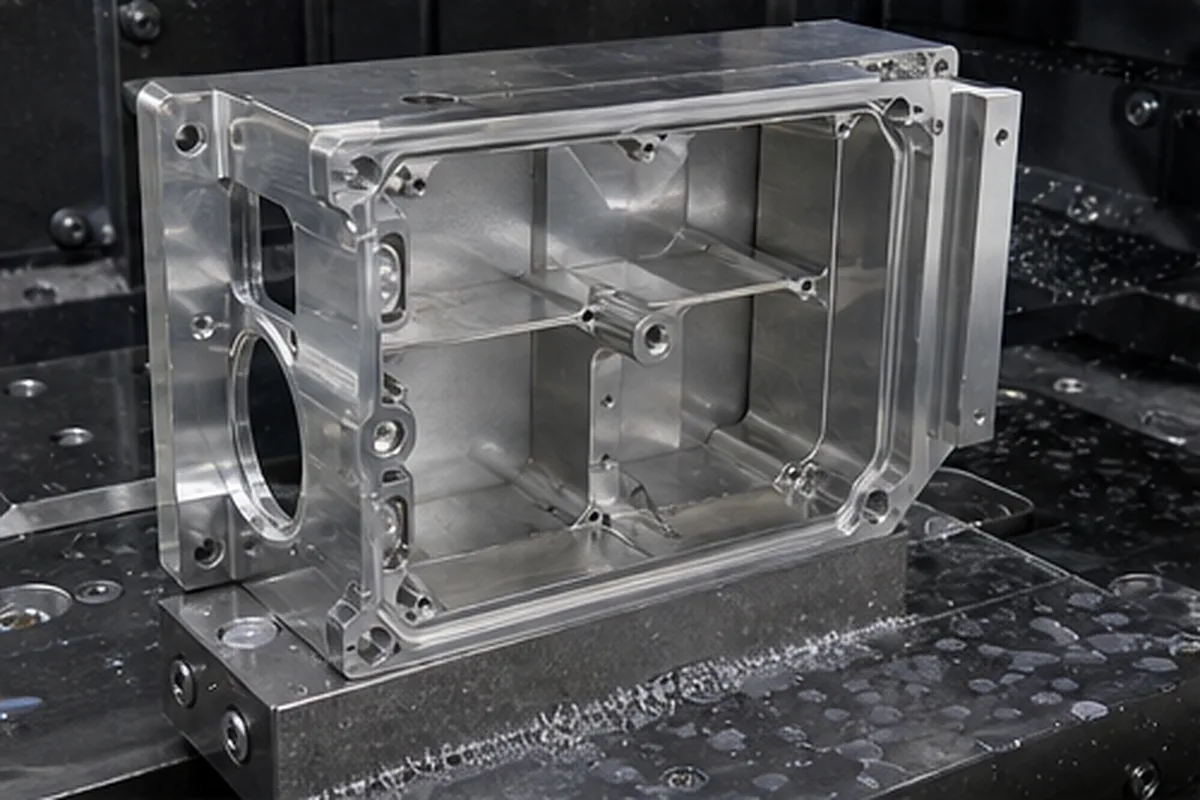
Prototype Decisions That Affect Speed
| Decision | Effect |
|---|---|
| Stock material available | Can shorten sourcing time. |
| As-machined finish | Avoids external finishing lead time. |
| Functional tolerances only | Reduces unnecessary process and inspection. |
| Standard threads and radii | Uses available tooling and simpler programming. |
| Complete 2D drawing | Reduces clarification and rework risk. |
One-Day Claims and Real Lead Time
A simple part using available stock and a standard as-machined finish may sometimes be completed from one working day, but this is not a universal promise. Geometry, programming, quantity, tight inspection, special material and finishing can extend production. The quotation gives the project-specific schedule.
From Prototype to Production
Prototype feedback should be captured in a controlled revision. Before repeat production, Formexi reviews design changes, fixture needs, inspection frequency, finishing consistency, packaging and annual demand rather than assuming the prototype route is automatically optimal for volume.
Prototype Evidence
Real prototype cases will show the design question, manufacturing decision, measured result and subsequent revision. Rendered concepts or anonymous generic parts are not labeled as verified customer projects.
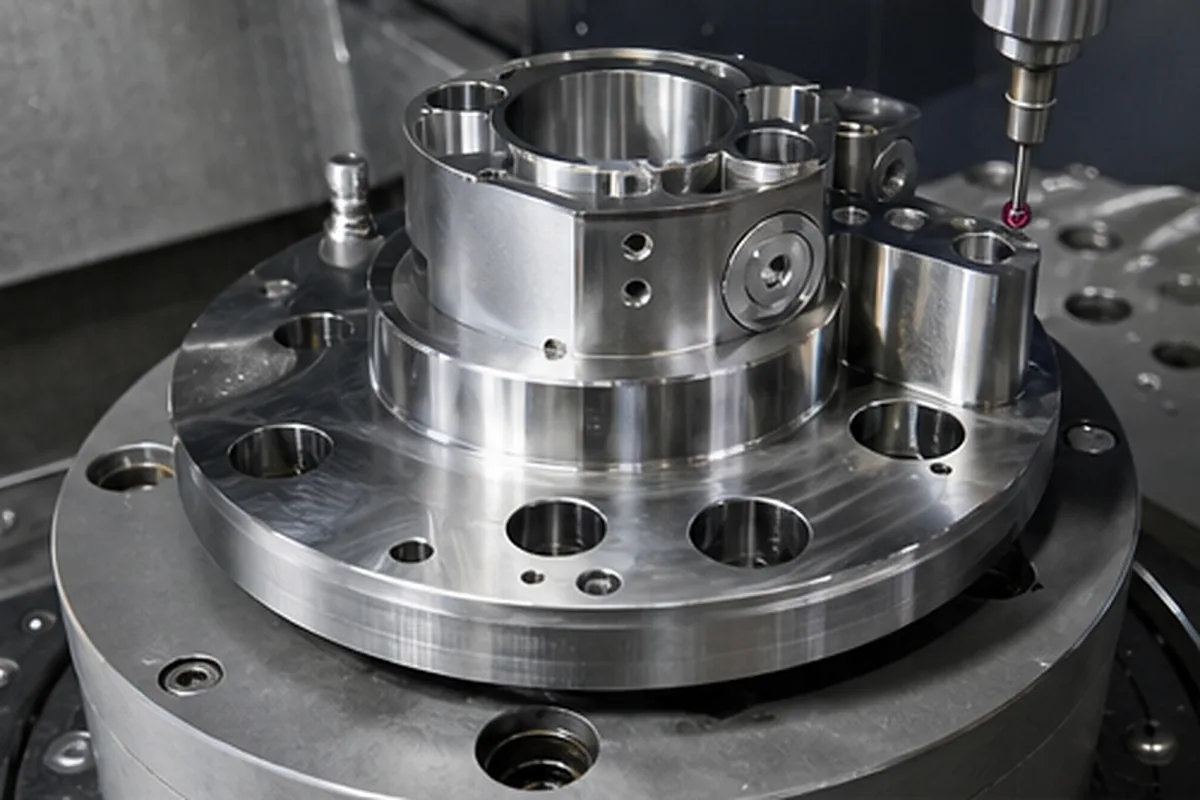
Confirm the Process for CNC Prototype Machining for Functional Validation
For CNC Prototype Machining for Functional Validation, submit the 2D drawing and 3D model with matching revision, exact material and condition, quantity and repeat demand. Identify relevant datums, critical tolerances, GD&T, threads, difficult-access geometry, thin walls, roughness, heat treatment and finish requirements.
The route for CNC Prototype Machining for Functional Validation may require multiple setups, dedicated workholding, intermediate inspection or a justified secondary process. Select grinding, EDM, stress relief or post-finish verification only when the geometry and function require it; machine axis count alone does not establish final capability.
Prepare a Prototype That Answers the Right Question
Tell us what the prototype must validate, not only what it looks like.