

Axis Strategy
3-Axis vs 5-Axis CNC Machining: When More Axes Add Value
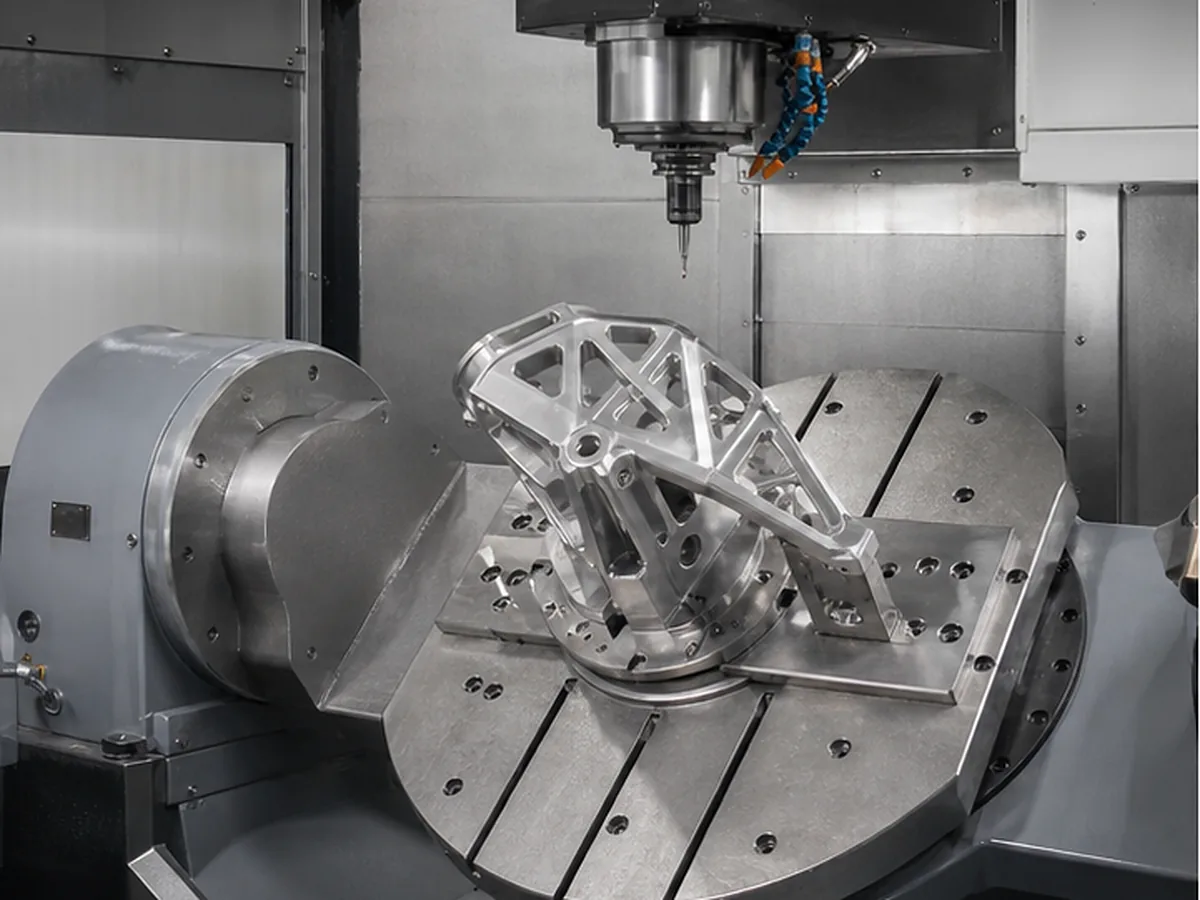
Use 3-axis machining when features are accessible from standard orientations and cross-setup relationships are manageable. Use 3+2 or simultaneous 5-axis when angled features, compound surfaces or fewer setups create measurable value. More axes do not automatically mean better tolerance or lower cost.
Direct Comparison
| Factor | 3-axis | 5-axis / 3+2 |
|---|---|---|
| Feature access | Standard orientations | Angled and multi-face access |
| Programming/setup | Generally simpler | More complex machine/program validation |
| Machine cost | Generally lower | Generally higher |
| Setup count | May require reorientation | Can reduce setups for suitable parts |
| Compound surfaces | Limited or multiple setups | Simultaneous motion may be required |
Choose 3-Axis When
- Critical features are accessible from one or several simple setups.
- Quantity and tolerances do not justify multi-axis machine cost.
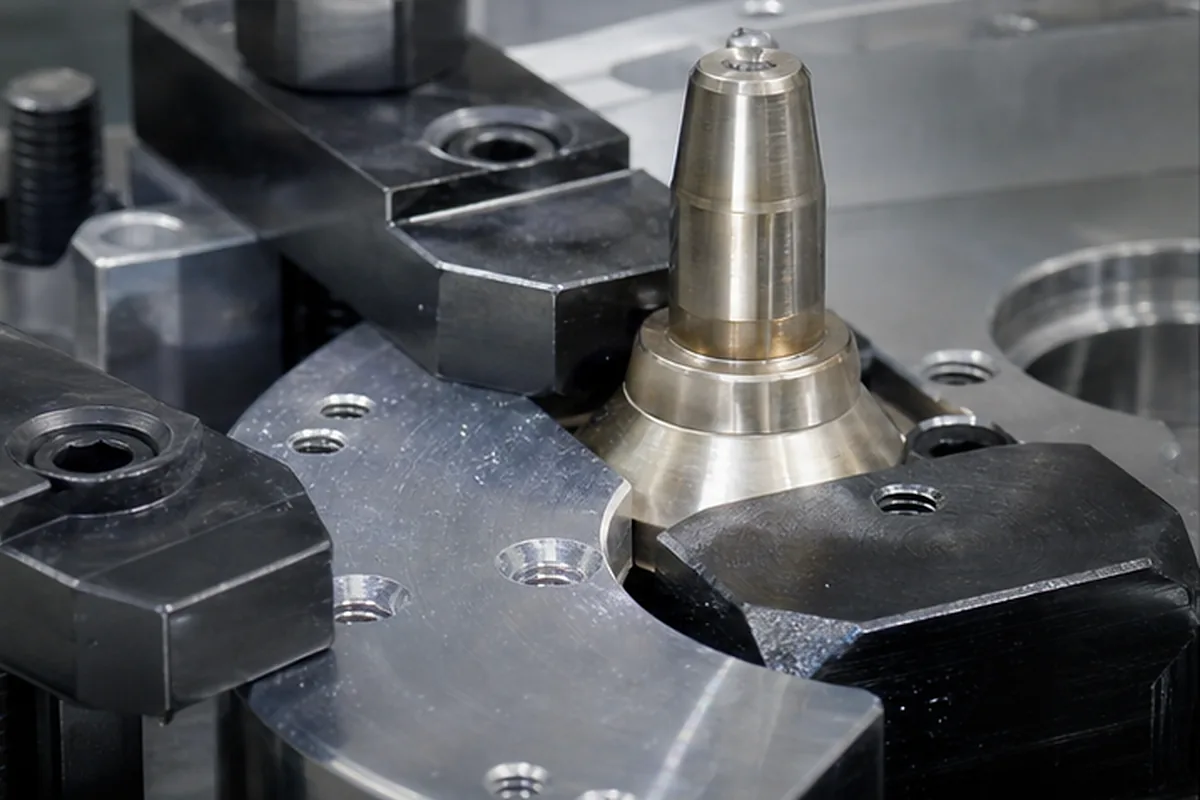
- Fixture datums can control cross-setup relationships.
- The part is a plate, bracket, block or accessible housing.
Choose 5-Axis When
- Features have multiple fixed angles or changing tool orientation.
- Compound surfaces require continuous motion.
- Repeated re-clamping threatens critical feature relationships.
- Shorter tools and improved access materially improve the process.
3+2 May Be Enough
Fixed-angle features can often be positioned with rotary axes and then cut conventionally. Simultaneous five-axis should be reserved for geometry or surface continuity that needs coordinated motion.
Formexi Capability Boundary
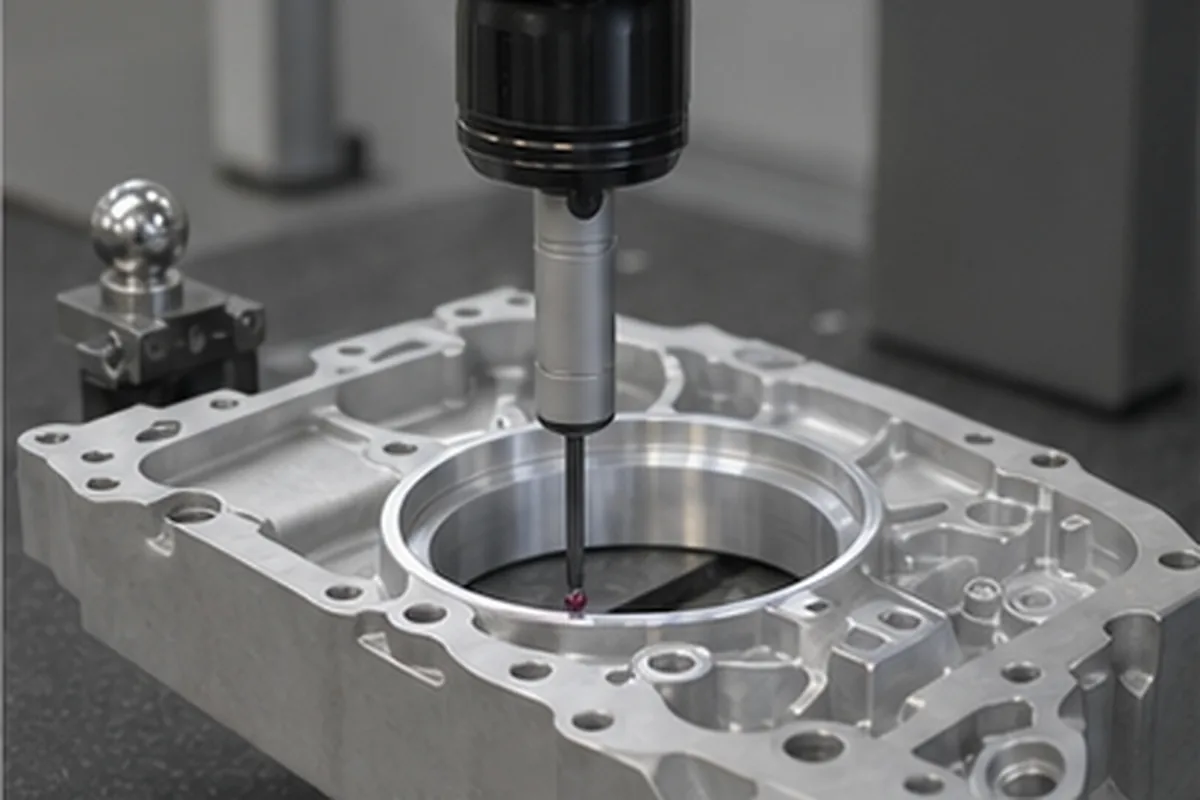
Specific five-axis machine models, travel and owned-versus-network status remain pending equipment verification. Every project requires machine and inspection confirmation.
What Our Project Review Resolves Before Quoting 3-Axis vs 5-Axis CNC Machining: When More Axes Add Value
The purchasing issue behind 3-Axis vs 5-Axis CNC Machining: When More Axes Add Value is that buyers can overpay or lose datum consistency when a process is chosen from a machine label instead of the part geometry; as a result, unnecessary setups or an unjustified high-end route can add cost without improving the functional result. Our response is to compares rotational versus prismatic geometry, feature access, datum relationships, workholding, batch size and measurement access before selecting milling, turning or a combined route. The objective is to protect assembly and validation schedules while reducing preventable scrap, rework and supplier-change risk.
For the 3-Axis vs 5-Axis CNC Machining: When More Axes Add Value buying decision, before we confirm price or delivery, the buyer should send the 2D drawing and 3D model, overall size, material state, critical datums and tolerances, quantity, finish and inspection documents. If a requirement cannot yet be verified, we keep it as an open condition instead of presenting it as a guaranteed result.