

Machined Plastic vs Molded Plastic
CNC Machining vs Injection Molding for Plastic Parts
Choose CNC machining for prototypes, low quantities, thick stock parts and frequent design changes without mold investment. Choose injection molding when volume is high, design is stable and the part can follow mold-flow, draft, wall and ejection rules. Machined and molded grades may not behave identically.
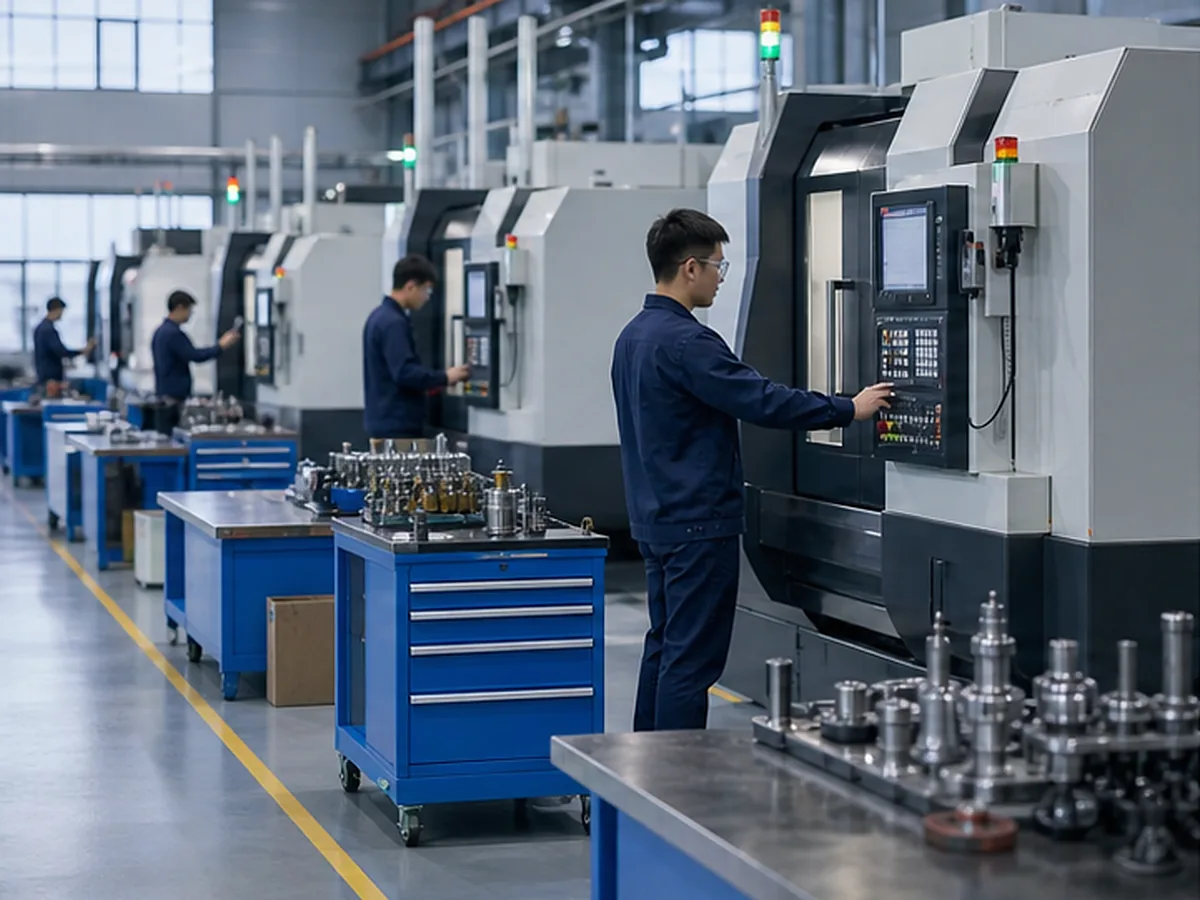
Direct Comparison
| Factor | CNC machining | Injection molding |
|---|---|---|
| Upfront tooling | Low | Mold design and manufacturing |
| Design changes | Fast through CAD/program revision | Tool changes can be costly |
| Quantity | Prototype to low/medium | High-volume unit economics |
| Geometry | Tool-access limits | Draft, wall, gate and ejection limits |
| Material behavior | Machined stock and residual stress | Mold flow, weld lines, shrinkage and orientation |
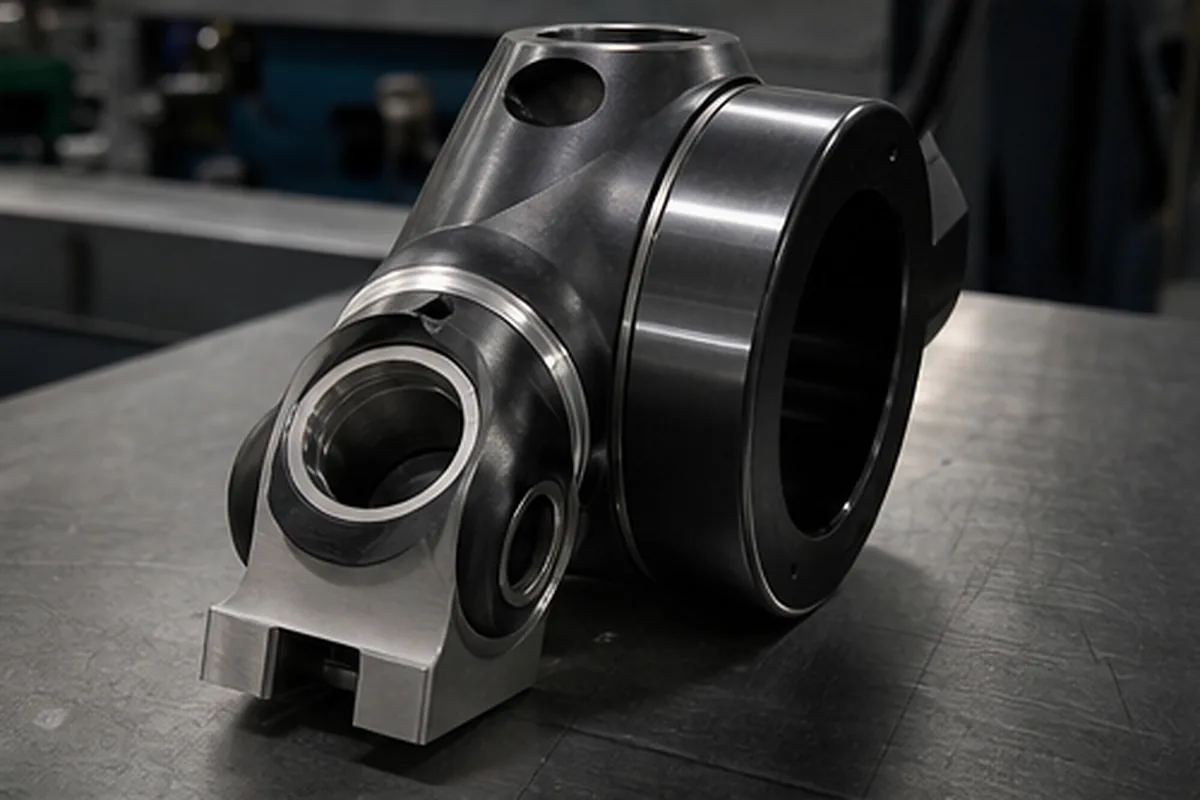
Use CNC Before Mold Release
Machined plastic prototypes can validate fit and function quickly, especially when production-intent stock is available. They do not reproduce gate marks, knit lines, molded fiber orientation or shrinkage, so molding risks still need separate validation.
Transition to Injection Molding When
- Annual demand supports mold investment.
- Design, wall thickness and draft are stable.
- Molded material properties meet function.
- Gate, ejector and cosmetic zones are accepted.
- Qualification and production lead time fit the program.
Hybrid and Insert Options
Mold a near-net body and machine precision bores or interfaces, or use threaded inserts where plastic threads would not survive repeated assembly. The molding and machining datums must be coordinated.
Formexi Boundary
Injection-molding tooling and production require separately verified partner capacity. The website should not present an owned molding operation without evidence.
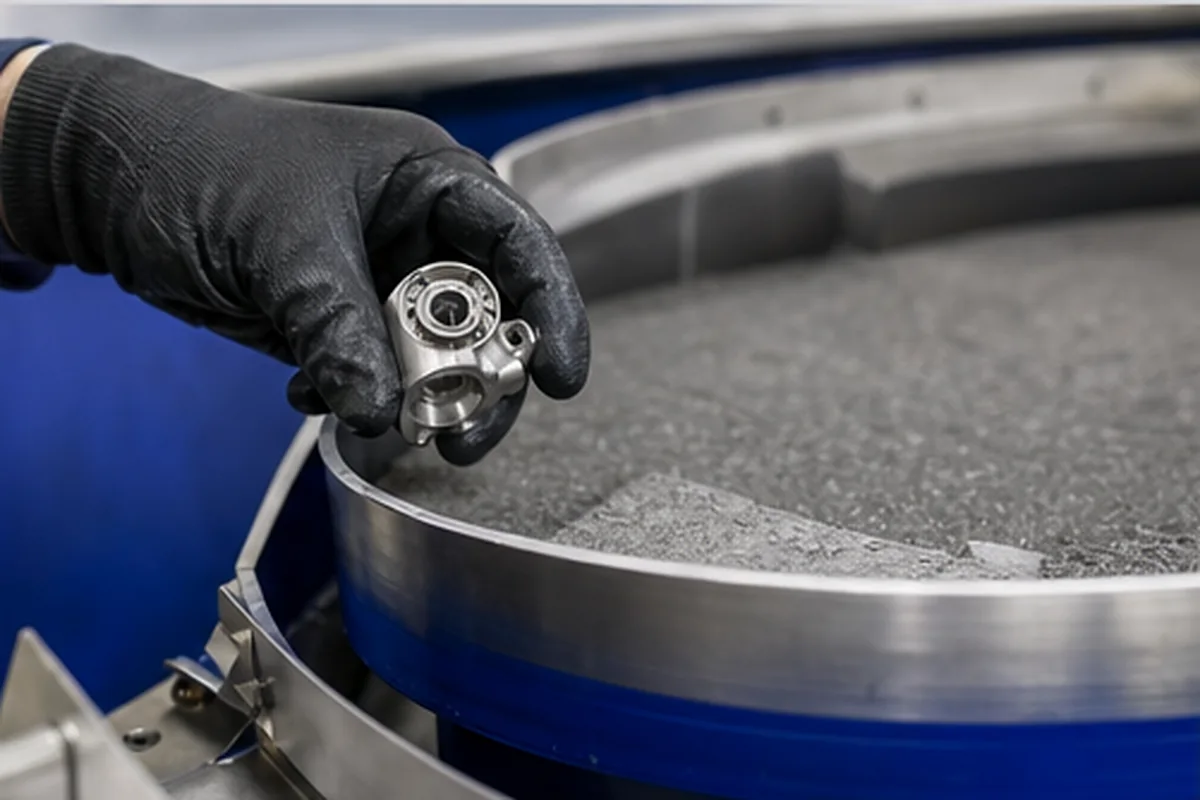
How We Control the Buyer Risk in CNC Machining vs Injection Molding for Plastic Parts
When machined plastics can change size with heat, moisture, residual stress, clamping force and measurement timing, metal-style tolerances applied without conditioning rules can create unstable inspection and assembly results. For CNC Machining vs Injection Molding for Plastic Parts, our engineering and quotation review reviews resin grade, filler, stock history, wall support, heat input, burr method and conditioning state before selecting the process and measurement plan. This helps reduce rework, approval delays and avoidable purchasing cost without turning a screening assumption into a capability guarantee.
For the CNC Machining vs Injection Molding for Plastic Parts buying decision, we confirm the route only after reviewing the exact polymer grade, filler and color, moisture or temperature condition, functional fits, free-state requirement, quantity and cleanliness needs. Any unresolved item is listed as an RFQ clarification so the buyer can compare scope, evidence, price and lead time on the same basis.
Confirm the Process for CNC Machining vs Injection Molding for Plastic Parts
For CNC Machining vs Injection Molding for Plastic Parts, submit the 2D drawing and 3D model with matching revision, exact material and condition, quantity and repeat demand. Identify relevant datums, critical tolerances, GD&T, threads, difficult-access geometry, thin walls, roughness, heat treatment and finish requirements.
The route for CNC Machining vs Injection Molding for Plastic Parts may require multiple setups, dedicated workholding, intermediate inspection or a justified secondary process. Select grinding, EDM, stress relief or post-finish verification only when the geometry and function require it; machine axis count alone does not establish final capability.