

Machined Housings
CNC Machining for Precision Housings and Equipment Bodies
Formexi machines custom housings for sensors, automation, electronics, motors and industrial equipment. The manufacturing plan focuses on datum relationships, internal access, wall stability, sealing surfaces, threaded interfaces, finish allowance and inspection.
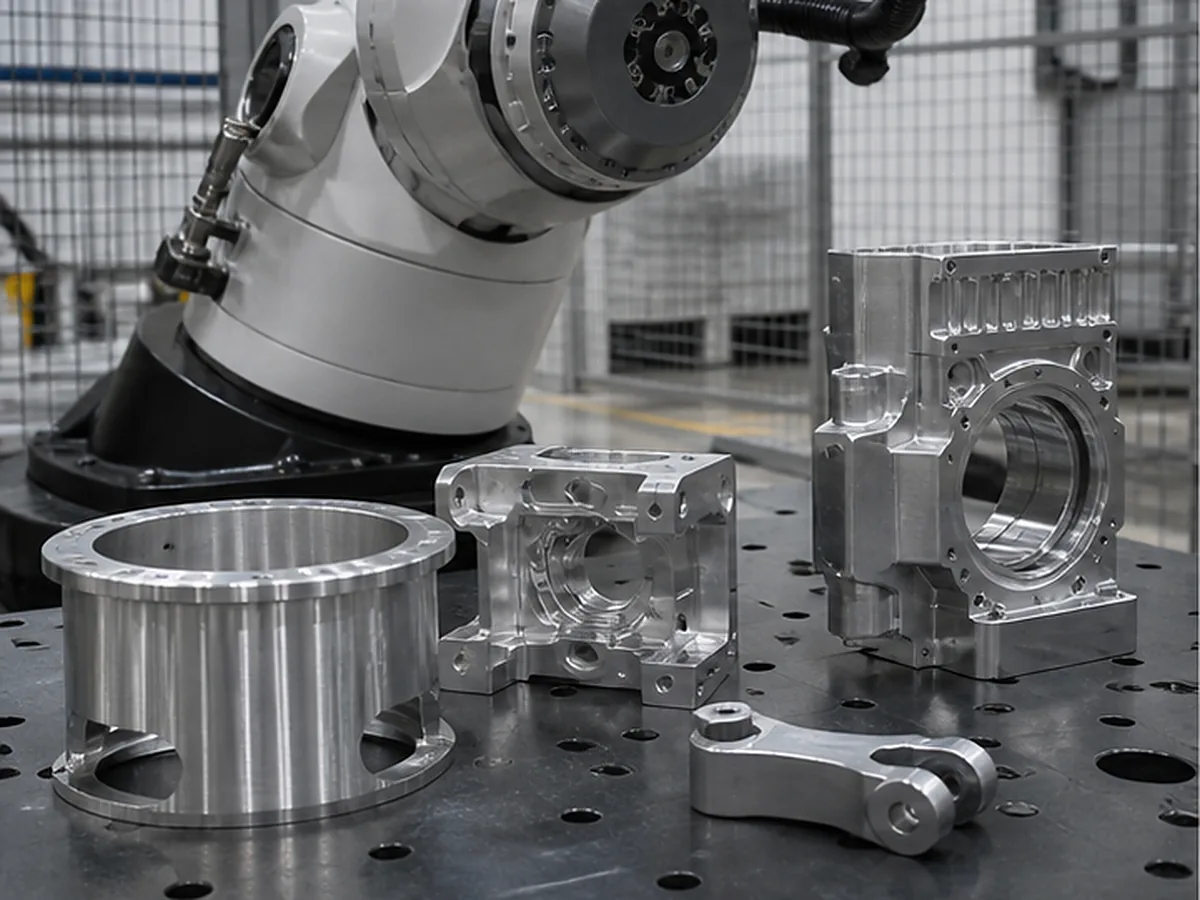
Housing Requirements That Drive the Process
| Requirement | Manufacturing concern |
|---|---|
| Multiple mounting faces | Datum transfer and setup relationship |
| Deep pocket or cavity | Tool reach, vibration and chip evacuation |
| Thin surrounding walls | Distortion after material removal |
| Bearing or seal bores | Size, position, roundness and surface finish |
| Cover interface | Flatness, gasket surface and thread alignment |
| External cosmetic surface | Tool marks, blasting, anodizing/coating and handling |
Materials
6061 aluminum is often considered for general lightweight housings; 7075 for higher-strength structures; stainless steel for corrosion and strength; plastics for insulation or low weight. The environment, heat, sealing, load and finish determine the final choice.
Machining Strategy
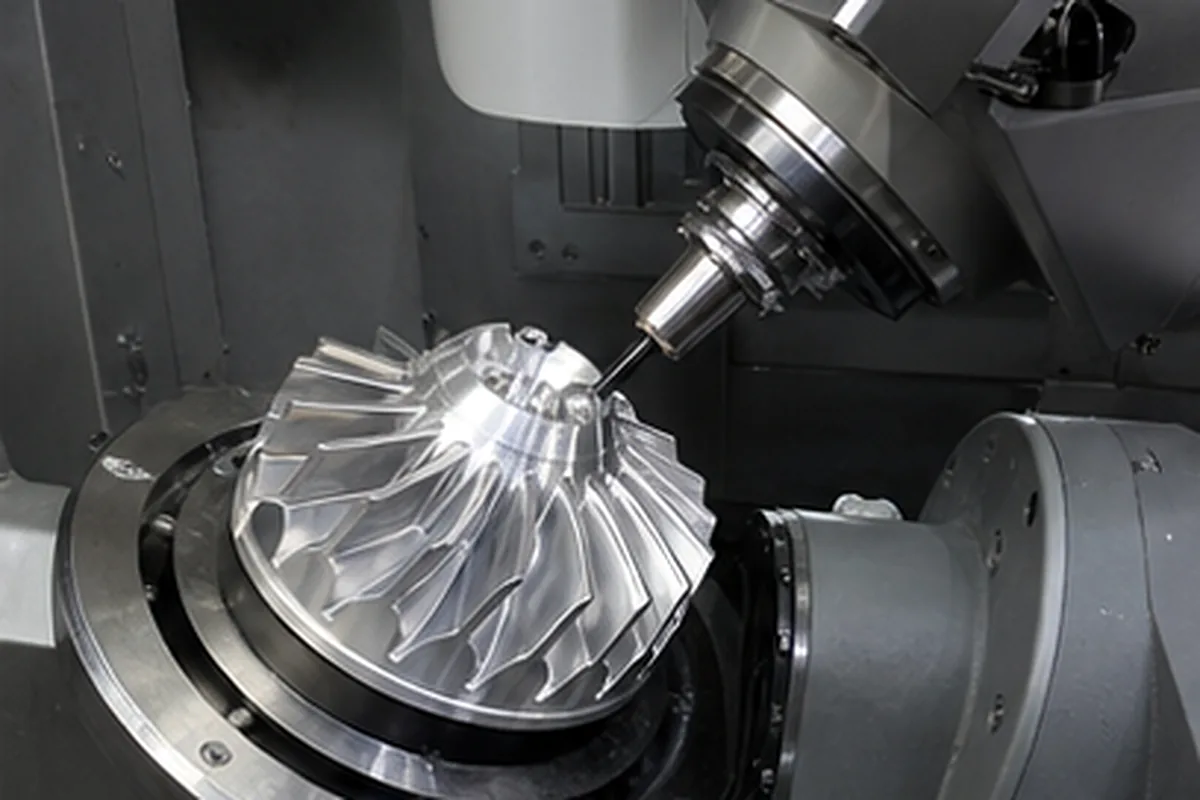
Simple housings may use planned 3-axis setups. Angled ports, compound surfaces or critical multi-face relationships may justify 3+2 or 5-axis machining. Roughing and finishing may be staged to allow the part to relax before final critical features are completed.
Design Problems to Resolve Early
- Internal corners smaller than practical tools
- Deep cavities without chip or tool clearance
- Uniform tight tolerance applied to nonfunctional walls
- Sealing faces without flatness or roughness definition
- Anodizing/coating added after final dimensions were set
- Thread depth or assembly access not confirmed
Inspection
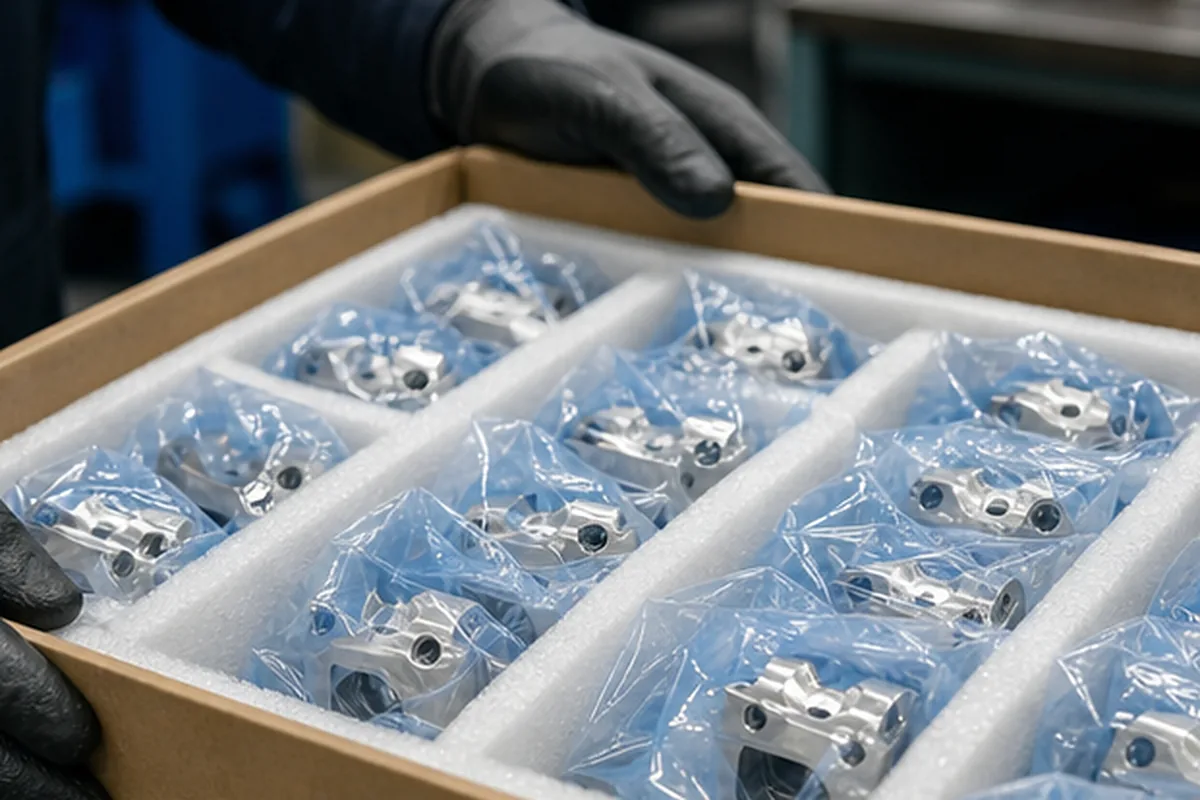
Housing inspection may include datum-based dimensions, bore size and position, flatness, thread gauges, roughness and cosmetic checks. Complex internal relationships may require CMM, but the specific equipment and report scope must be agreed before production.
Our Review Method for CNC Machining for Precision Housings and Equipment Bodies Requirements
When buyers can overpay or lose datum consistency when a process is chosen from a machine label instead of the part geometry, unnecessary setups or an unjustified high-end route can add cost without improving the functional result. For CNC Machining for Precision Housings and Equipment Bodies, our engineering and quotation review compares rotational versus prismatic geometry, feature access, datum relationships, workholding, batch size and measurement access before selecting milling, turning or a combined route. This helps reduce rework, approval delays and avoidable purchasing cost without turning a screening assumption into a capability guarantee.
For the CNC Machining for Precision Housings and Equipment Bodies buying decision, we confirm the route only after reviewing the 2D drawing and 3D model, overall size, material state, critical datums and tolerances, quantity, finish and inspection documents. Any unresolved item is listed as an RFQ clarification so the buyer can compare scope, evidence, price and lead time on the same basis.
Send the Mating-Part Requirements
Include cover, bearing, seal, connector and mounting interfaces so the housing is reviewed as part of the assembly.