

Engineering Plastic Selection
POM vs PEEK for CNC Machined Parts
Choose POM for economical, low-friction, dimensionally practical mechanical components in moderate environments; evaluate PEEK when higher temperature, chemical or performance requirements justify its much higher material and processing cost. Grade, filler and compliance requirements can change the decision.
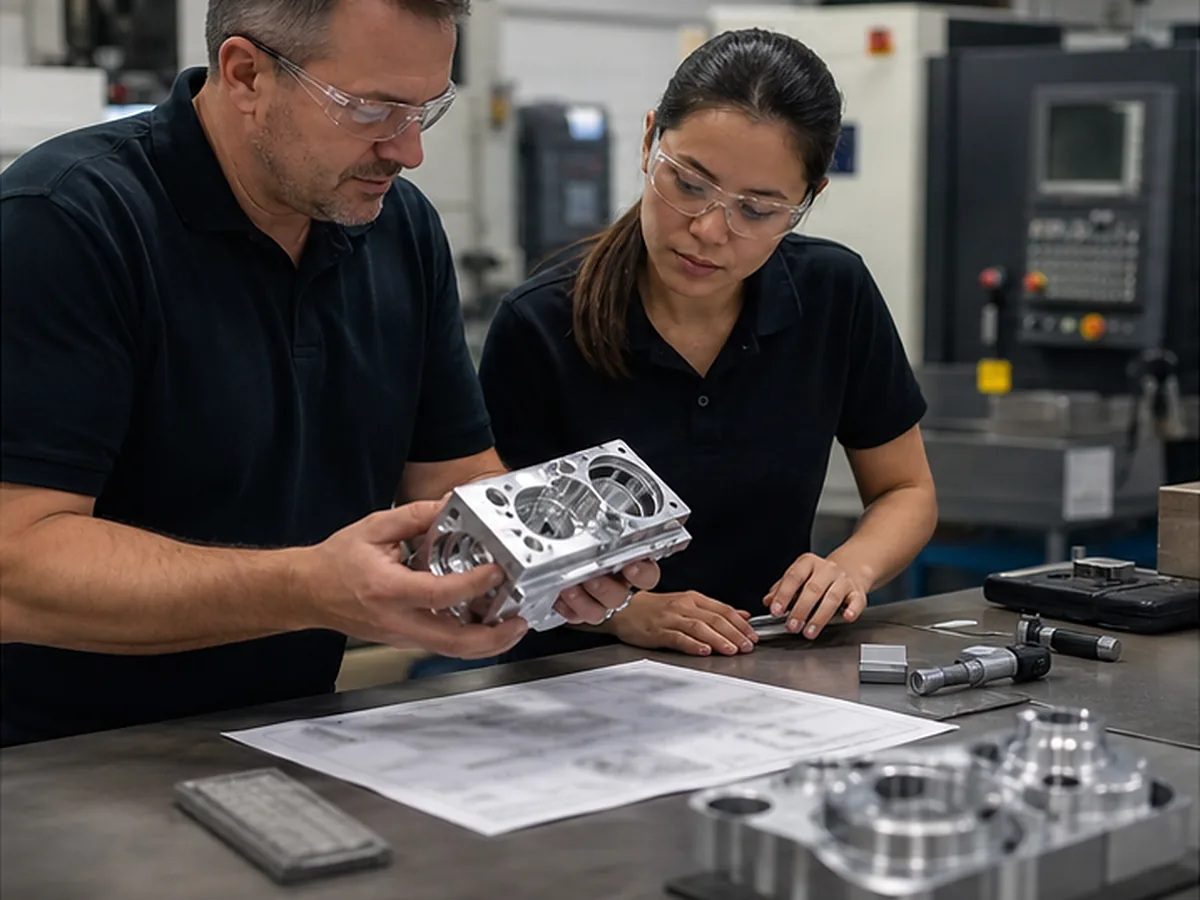
Engineering Selection Method
- Define temperature, chemical, load and wear conditions.
- Compare moisture behavior and dimensional tolerance.
- Identify electrical, flame, cleanliness or regulatory needs.
- Specify unfilled or reinforced grade explicitly.
- Validate mating surfaces and creep over service time.
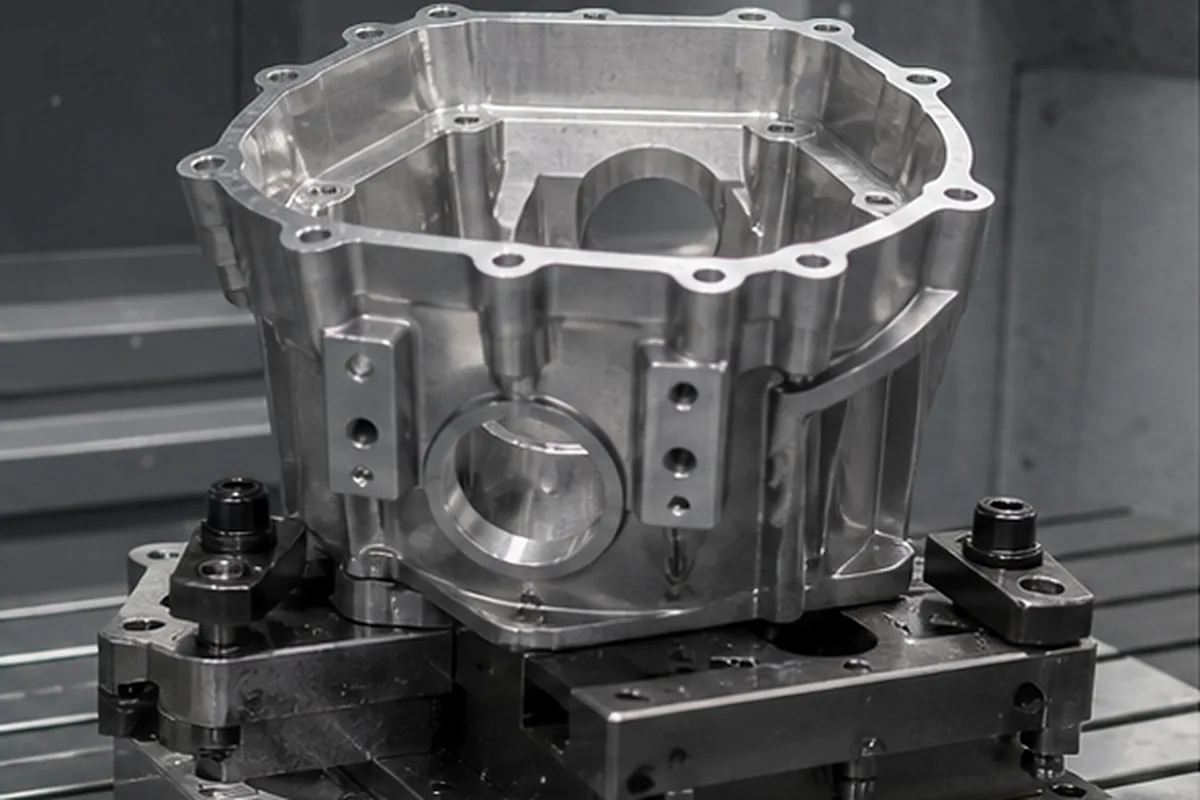
Common Buyer and Drawing Mistakes
- Choosing PEEK only because it is premium
- Using POM above its verified service boundary
- Ignoring fiber orientation in reinforced PEEK
- Substituting homopolymer and copolymer POM silently
Information Required for a Useful Quote
Provide the exact material grade, condition, governing standard, permitted product form, certificate/traceability needs, quantity, geometry, final finish and service constraints. Availability and machining route remain subject to project review.
Validation Boundary
Published property values are screening information and vary by grade, form, test condition and supplier. The buyer must validate the final material against the product’s load, environment and compliance requirements.
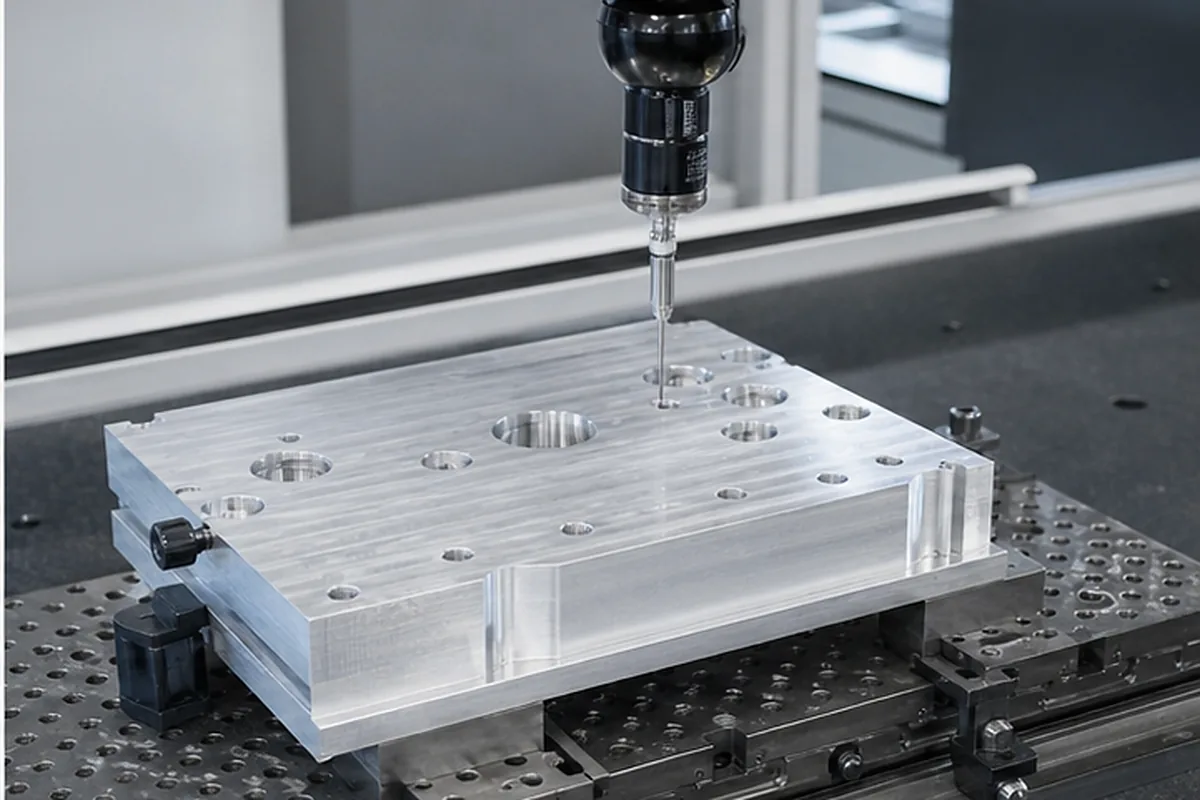
How We Control the Buyer Risk in POM vs PEEK for CNC Machined Parts
The purchasing issue behind POM vs PEEK for CNC Machined Parts is that machined plastics can change size with heat, moisture, residual stress, clamping force and measurement timing; as a result, metal-style tolerances applied without conditioning rules can create unstable inspection and assembly results. Our response is to reviews resin grade, filler, stock history, wall support, heat input, burr method and conditioning state before selecting the process and measurement plan. The objective is to protect assembly and validation schedules while reducing preventable scrap, rework and supplier-change risk.
For the POM vs PEEK for CNC Machined Parts buying decision, before we confirm price or delivery, the buyer should send the exact polymer grade, filler and color, moisture or temperature condition, functional fits, free-state requirement, quantity and cleanliness needs. If a requirement cannot yet be verified, we keep it as an open condition instead of presenting it as a guaranteed result.