

Plastic Dimensional Stability
Why Machined Plastic Parts Change Dimensions
Machined plastic parts change dimensions because temperature, moisture absorption, residual stress, stock annealing, cutting heat and measurement force affect polymers more than many metals. Define conditioning and service environment before applying metal-like tolerances.
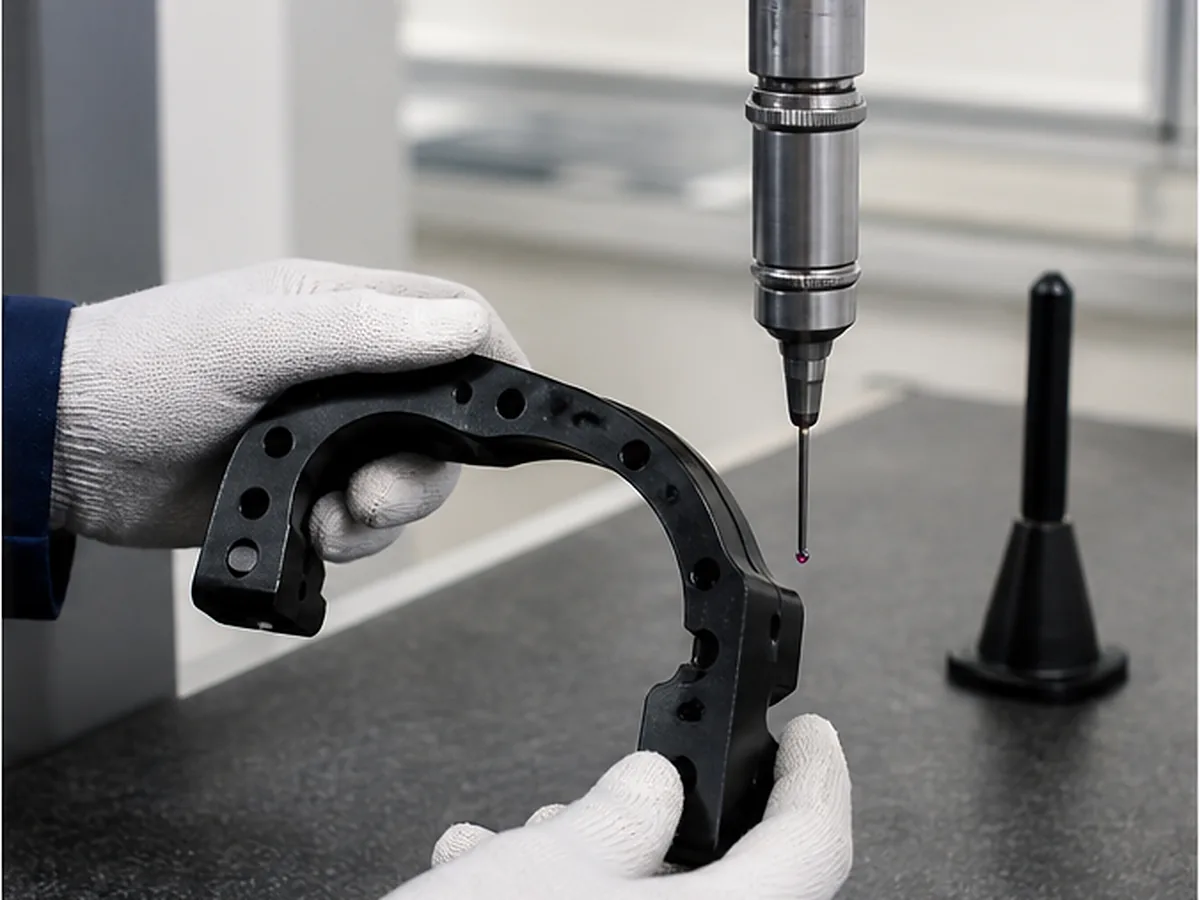
Check Moisture, Temperature, Residual Stress and Measurement State
- Select the exact resin grade, filler and stock condition.
- Define operating and inspection temperature/humidity.
- Use low-heat cutting and controlled workholding.
- Allow stabilization before final measurement.
- State free-state support and acceptance timing.
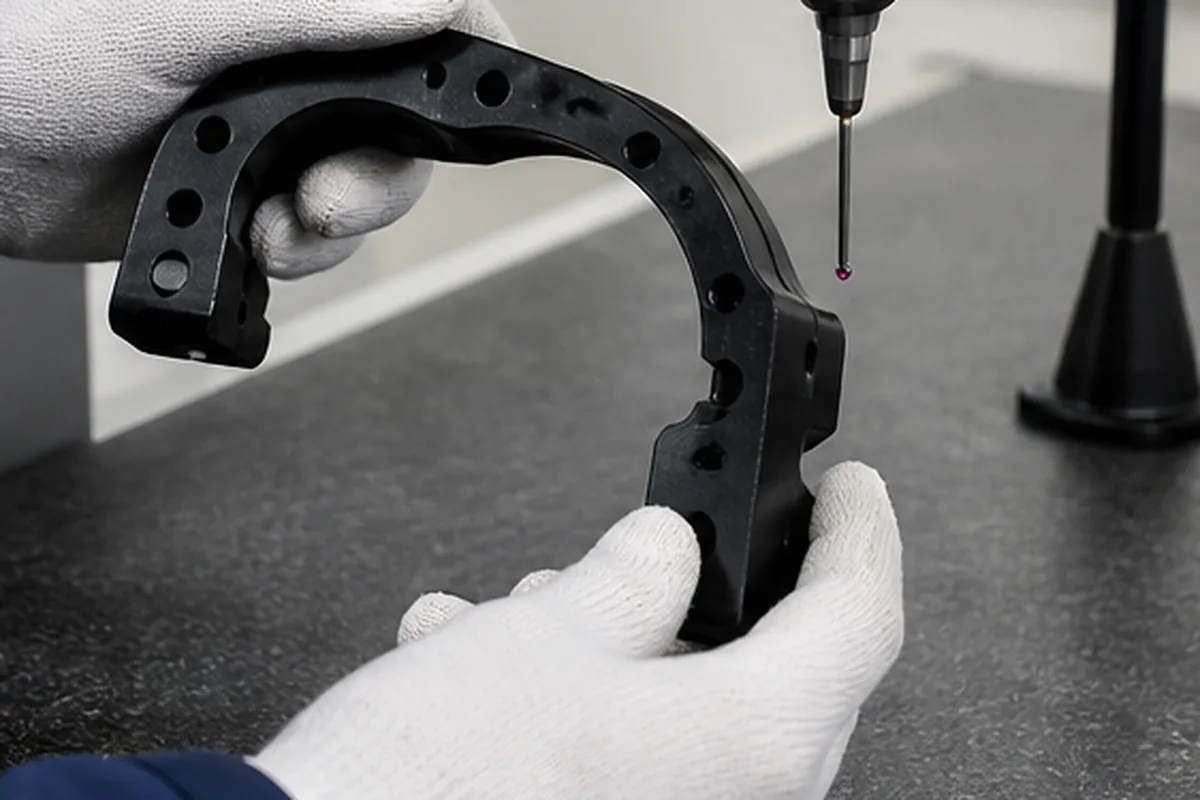
Avoid Measuring Plastic Without a Conditioning Requirement
- Specifying only a trade name without grade
- Measuring a warm part immediately after machining
- Using high clamping or caliper force
- Expecting a moisture-absorbing polymer to hold one value in all environments
Information Required for a Useful Quote
Provide the exact material grade, condition, governing standard, permitted product form, certificate/traceability needs, quantity, geometry, final finish and service constraints. Availability and machining route remain subject to project review.
Validation Boundary
Published property values are screening information and vary by grade, form, test condition and supplier. The buyer must validate the final material against the product’s load, environment and compliance requirements.
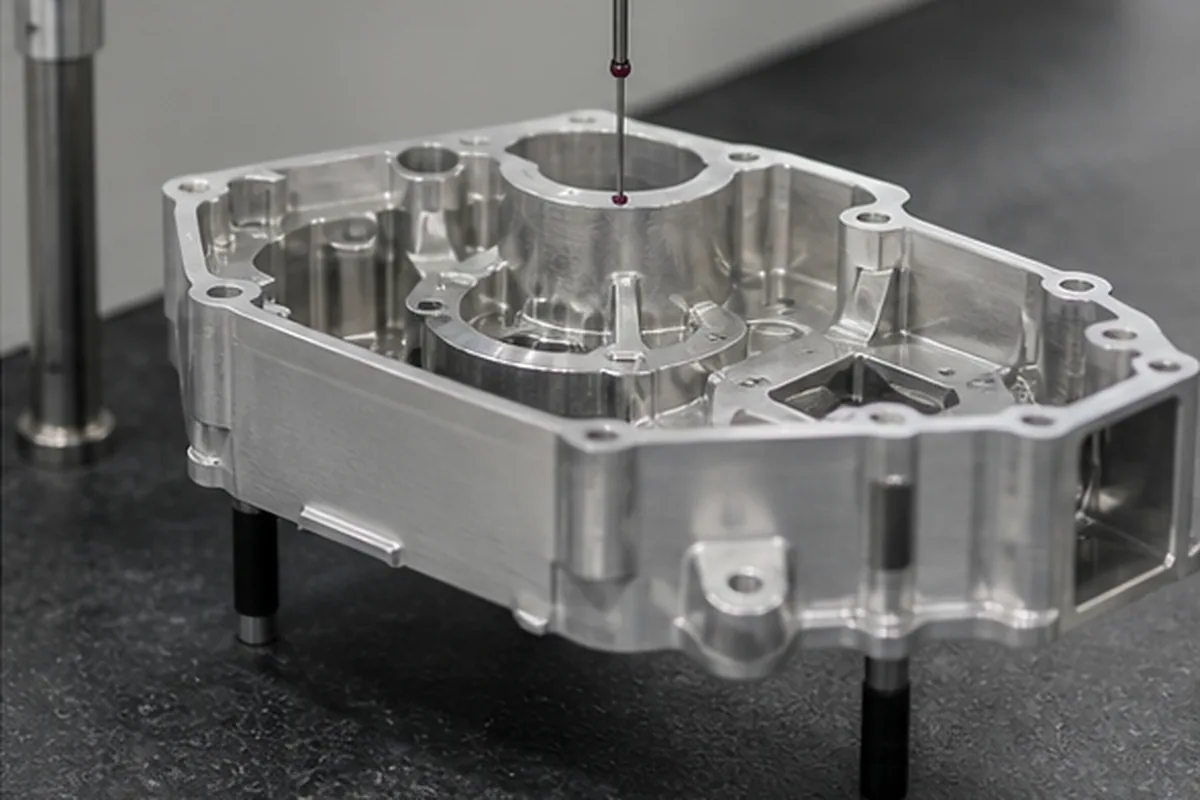
How We Reduce Sourcing and Manufacturing Risk for Why Machined Plastic Parts Change Dimensions
When machined plastics can change size with heat, moisture, residual stress, clamping force and measurement timing, metal-style tolerances applied without conditioning rules can create unstable inspection and assembly results. For Why Machined Plastic Parts Change Dimensions, our engineering and quotation review reviews resin grade, filler, stock history, wall support, heat input, burr method and conditioning state before selecting the process and measurement plan. This helps reduce rework, approval delays and avoidable purchasing cost without turning a screening assumption into a capability guarantee.
For the Why Machined Plastic Parts Change Dimensions buying decision, we confirm the route only after reviewing the exact polymer grade, filler and color, moisture or temperature condition, functional fits, free-state requirement, quantity and cleanliness needs. Any unresolved item is listed as an RFQ clarification so the buyer can compare scope, evidence, price and lead time on the same basis.
Apply Machined Plastic Parts Change Dimensions to the Buyer Decision
For Machined Plastic Parts Change Dimensions, use the controlling 2D drawing and 3D model to define part number and revision, material and condition, quantity and annual demand, critical tolerances and GD&T, roughness, heat treatment, surface finish, inspection documents, packaging, delivery address and target date. Identify confidentiality restrictions and which DFM changes may be considered for this part.
Price and lead time can be confirmed only after geometry, material availability, programming, workholding, external processes, inspection effort, first-article approval and logistics are reviewed together.
Check the complete RFQ inputs before supplier comparison.