

POM / Acetal
POM and Delrin CNC Machining for Stable Low-Friction Parts
POM/acetal is often selected for gears, bushings, guides, fixtures and precision plastic components because it combines low friction, useful stiffness and better dimensional stability than many moisture-sensitive plastics. Homopolymer, copolymer and branded Delrin grades are not automatically interchangeable.
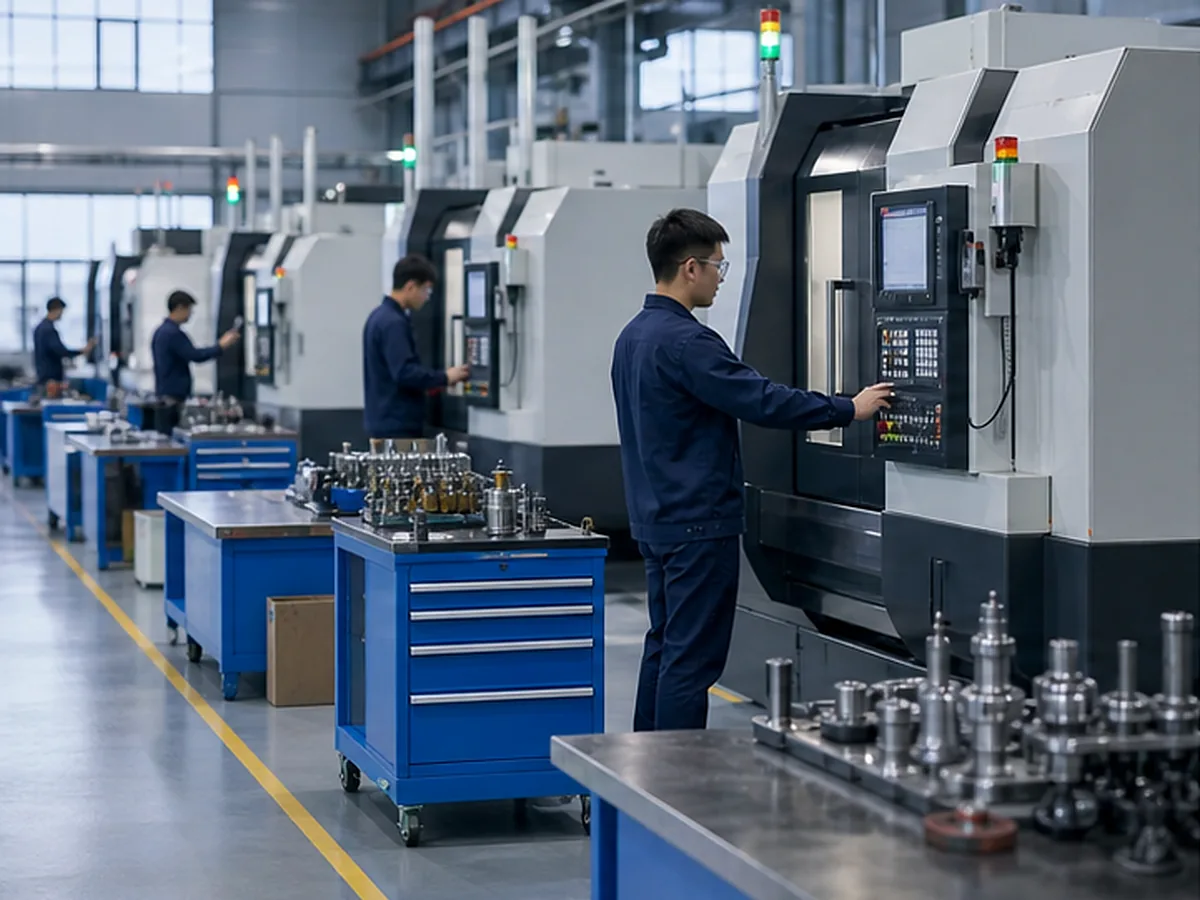
When POM Is Commonly Considered
- Bushings, sleeves, guides and sliding components
- Gears, rollers and mechanical linkages
- Electrical insulators and fixture components
- Parts requiring a clean machined finish and moderate stability
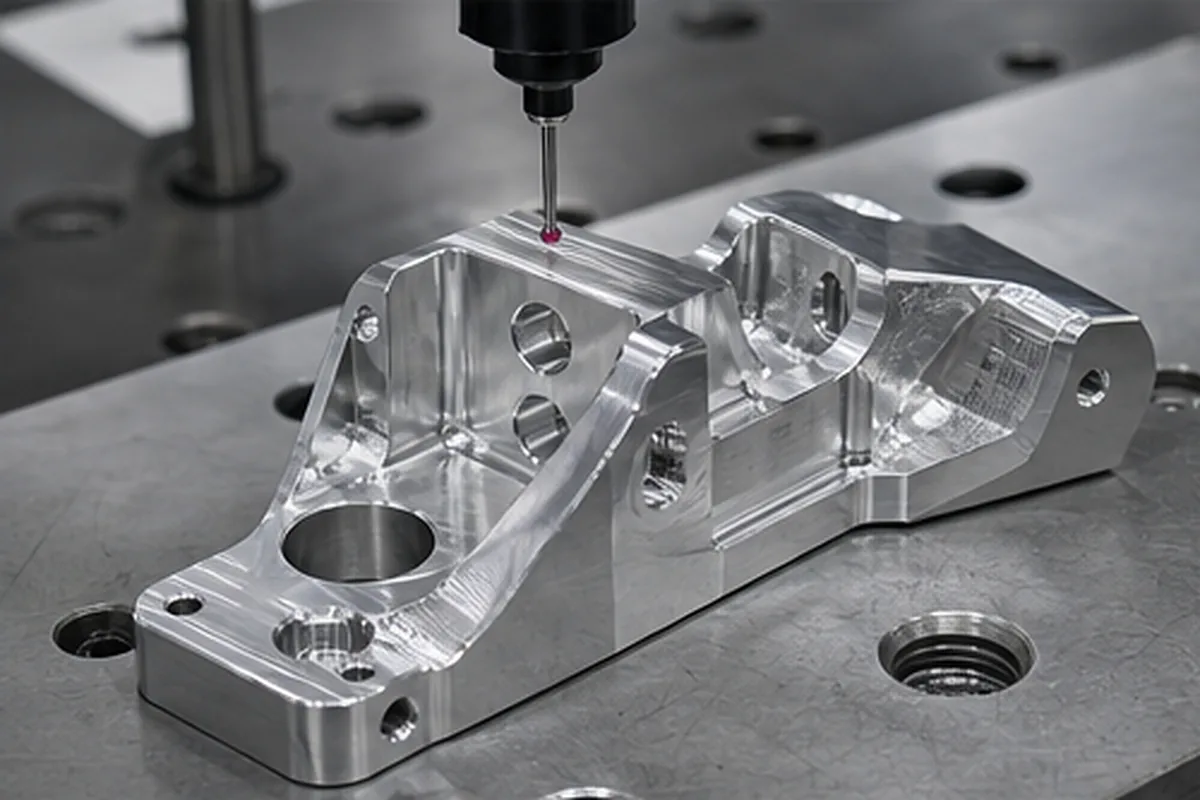
POM-H, POM-C and Delrin
POM-H homopolymer and POM-C copolymer differ in properties and application behavior. Delrin is a branded acetal homopolymer family, not a universal name for every POM grade. Specify the exact material, color, filler and supplier requirement when performance or compliance matters.
Machining and Dimensional Behavior
| Issue | Review |
|---|---|
| Clamping | Avoid distortion and surface marking. |
| Heat | Control cutting and chip evacuation to prevent smearing. |
| Internal stress | Large stock removal may move the part. |
| Measurement | Allow temperature stabilization before final acceptance where needed. |
| Threads | Review engagement, load and possible inserts. |
Application Boundaries
POM may not suit high-temperature, strong-acid, flame-critical or certain regulated applications. UV exposure, creep and long-term load should be evaluated by the product engineer. Material compliance is grade-specific.
Tolerance Guidance
General plastic tolerances may be wider than metal tolerances because geometry and conditioning affect stability. Tight dimensions should identify service temperature, measurement condition and functional fit rather than copying a metal drawing standard.
How We Reduce Sourcing and Manufacturing Risk for POM and Delrin CNC Machining for Stable Low-Friction Parts
When machined plastics can change size with heat, moisture, residual stress, clamping force and measurement timing, metal-style tolerances applied without conditioning rules can create unstable inspection and assembly results. For POM and Delrin CNC Machining for Stable Low-Friction Parts, our engineering and quotation review reviews resin grade, filler, stock history, wall support, heat input, burr method and conditioning state before selecting the process and measurement plan. This helps reduce rework, approval delays and avoidable purchasing cost without turning a screening assumption into a capability guarantee.
For the POM and Delrin CNC Machining for Stable Low-Friction Parts buying decision, we confirm the route only after reviewing the exact polymer grade, filler and color, moisture or temperature condition, functional fits, free-state requirement, quantity and cleanliness needs. Any unresolved item is listed as an RFQ clarification so the buyer can compare scope, evidence, price and lead time on the same basis.
Specify POM and Delrin CNC Machining for Stable Low-Friction Parts Before Quotation
For POM and Delrin CNC Machining for Stable Low-Friction Parts, state the exact material designation, governing standard and condition or temper; the family name alone is not enough. Include stock form, hardness or heat-treatment state, certificate and lot-traceability needs, and whether substitutions require written approval.
- Provide the controlling 2D drawing, 3D CAD model, part number and revision.
- Identify functional dimensions, datum-based GD&T, threads and surface-roughness locations.
- Define heat treatment, finish specification, masking, dimensional compensation and appearance zones.
- State prototype quantity, annual demand, inspection records, packaging, destination, target date, NDA needs and the DFM changes the buyer may consider.
Use the complete CNC RFQ checklist before requesting price and lead time.
Confirm the POM Grade and Function
Send the drawing, exact grade, temperature, load, friction and tolerance requirements.