

Electronics Hardware
CNC Machining for Electronic Equipment Enclosures and Components
Formexi machines aluminum enclosures, heat sinks, connector panels, sensor housings and mounting parts for electronic equipment. Engineering review combines internal layout, thermal interfaces, grounding, connector alignment, sealing and cosmetic finishing.
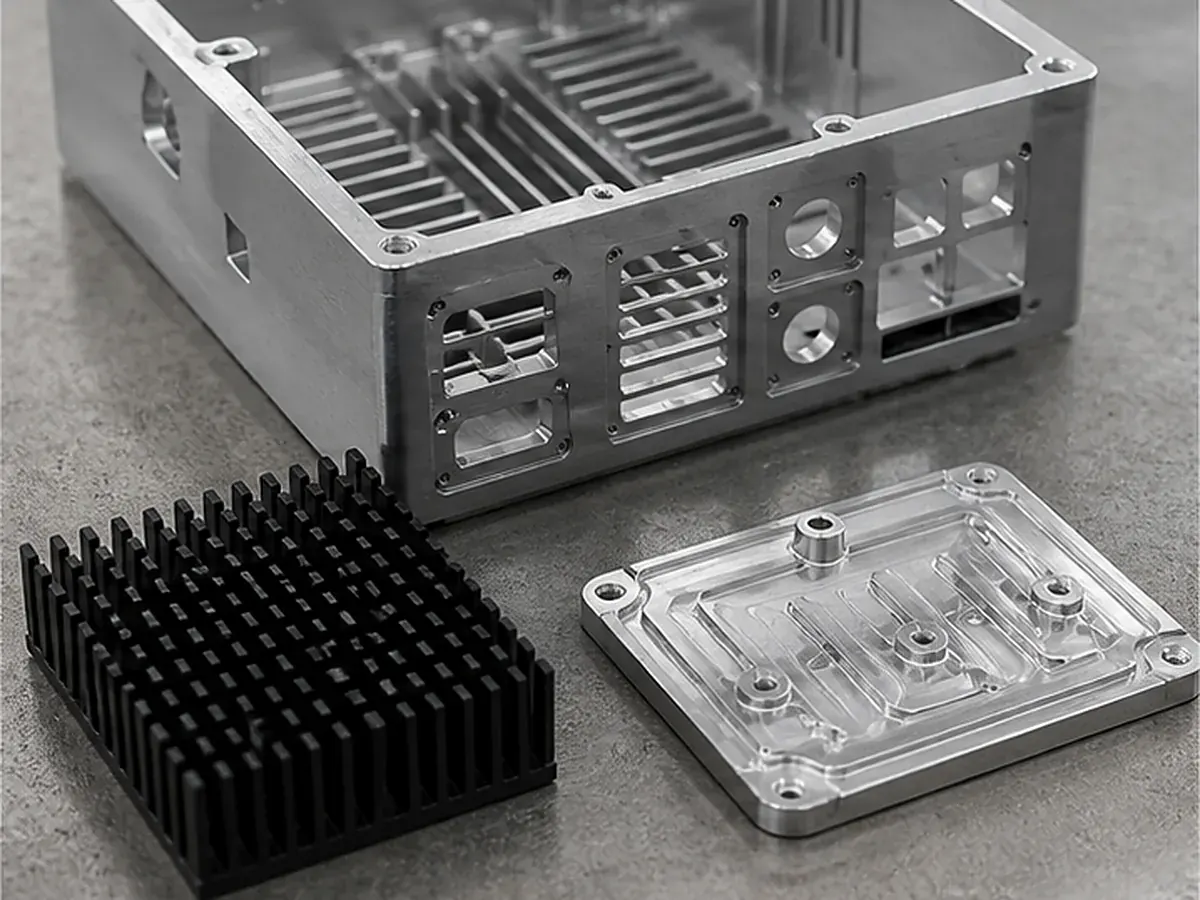
Components Commonly Evaluated
- Machined aluminum enclosures and covers
- Heat sinks and thermal interface plates
- Connector, display and cable panels
- Sensor, camera and control-system housings
- Grounding, shielding and conductive components
- Mounting brackets and internal frames
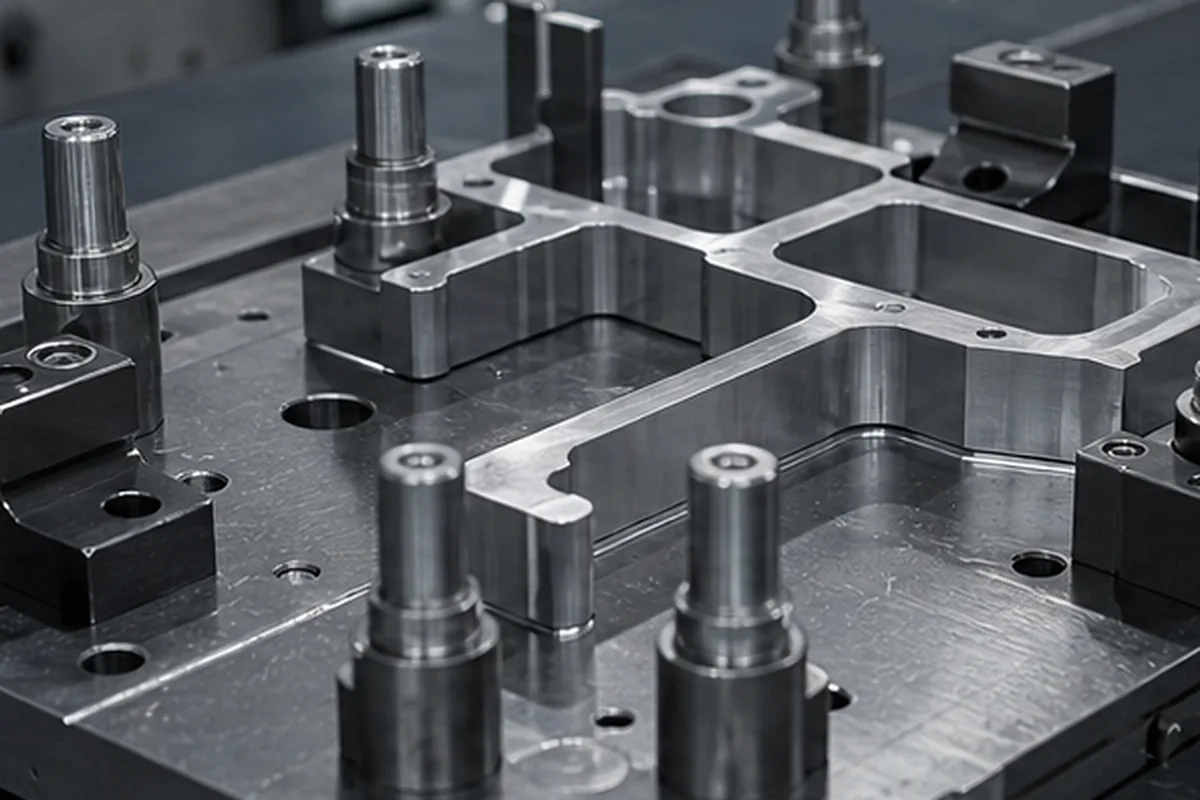
Critical Interfaces
| Interface | What to define |
|---|---|
| PCB/standoff | Hole pattern, thread, height and assembly clearance |
| Connector cutout | Position, orientation, panel thickness and fastener access |
| Thermal face | Flatness, roughness, mask and thermal compound condition |
| Grounding surface | Conductive finish or mask requirement |
| Gasket/cover | Flatness, groove, compression and finish buildup |
Materials and Surface Finishes
6061 aluminum is a common enclosure material; copper may be used where conductivity dominates; stainless or plastic may suit environment or insulation. Bead blasting and anodizing support appearance, while chemical conversion or masked areas may support electrical contact. EMC performance requires system-level design and testing.
Cosmetic Requirements
Identify A/B/C faces, color, gloss, texture, grain direction, marking and allowed variation. Parts assembled side by side should be processed in controlled batches where appearance matching matters.
Performance Boundary
When an electronics project depends on mounting, connector, sealing or enclosure interfaces, our drawing review links those mechanical features to datums, finish and inspection requirements. EMC shielding, IP rating, heat performance, electrical safety and environmental compliance remain complete-product validation responsibilities unless a separate test scope is quoted and verified.
Our Review Method for CNC Machining for Electronic Equipment Enclosures and Components Requirements
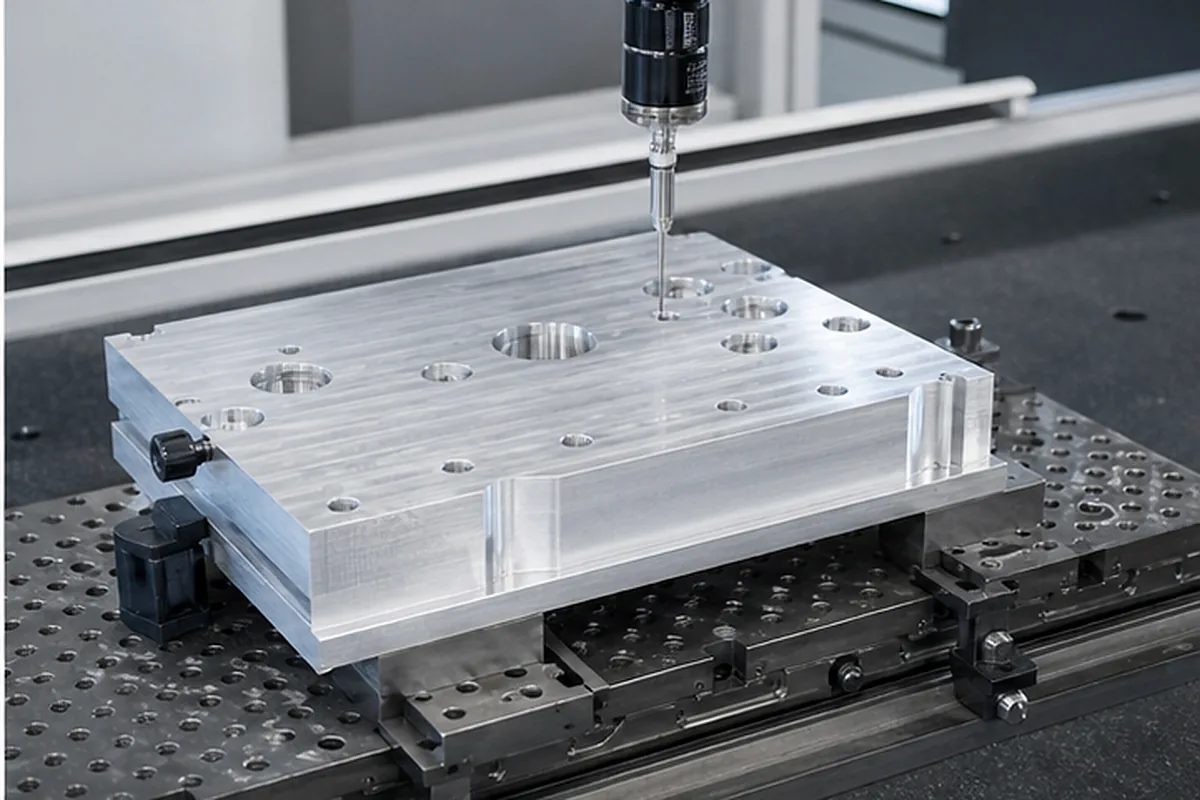
When buyers can overpay or lose datum consistency when a process is chosen from a machine label instead of the part geometry, unnecessary setups or an unjustified high-end route can add cost without improving the functional result. For CNC Machining for Electronic Equipment Enclosures and Components, our engineering and quotation review compares rotational versus prismatic geometry, feature access, datum relationships, workholding, batch size and measurement access before selecting milling, turning or a combined route. This helps reduce rework, approval delays and avoidable purchasing cost without turning a screening assumption into a capability guarantee.
For the CNC Machining for Electronic Equipment Enclosures and Components buying decision, we confirm the route only after reviewing the 2D drawing and 3D model, overall size, material state, critical datums and tolerances, quantity, finish and inspection documents. Any unresolved item is listed as an RFQ clarification so the buyer can compare scope, evidence, price and lead time on the same basis.
Confirm the Process for CNC Machining for Electronic Equipment Enclosures and Components
For CNC Machining for Electronic Equipment Enclosures and Components, submit the 2D drawing and 3D model with matching revision, exact material and condition, quantity and repeat demand. Identify relevant datums, critical tolerances, GD&T, threads, difficult-access geometry, thin walls, roughness, heat treatment and finish requirements.
The route for CNC Machining for Electronic Equipment Enclosures and Components may require multiple setups, dedicated workholding, intermediate inspection or a justified secondary process. Select grinding, EDM, stress relief or post-finish verification only when the geometry and function require it; machine axis count alone does not establish final capability.
Send the PCB, Connector and Thermal Interfaces
Provide internal layout, mating parts, finish, grounding, sealing and cosmetic requirements.