

Heat-Dissipation Components
CNC Machined Heat Sinks and Thermal Management Parts
Formexi machines custom heat sinks, cold-plate bodies and thermal mounting components for prototypes and low-volume equipment. Thermal performance depends on material, fin geometry, airflow or coolant, interface flatness, surface finish and assembly—not on machining alone.
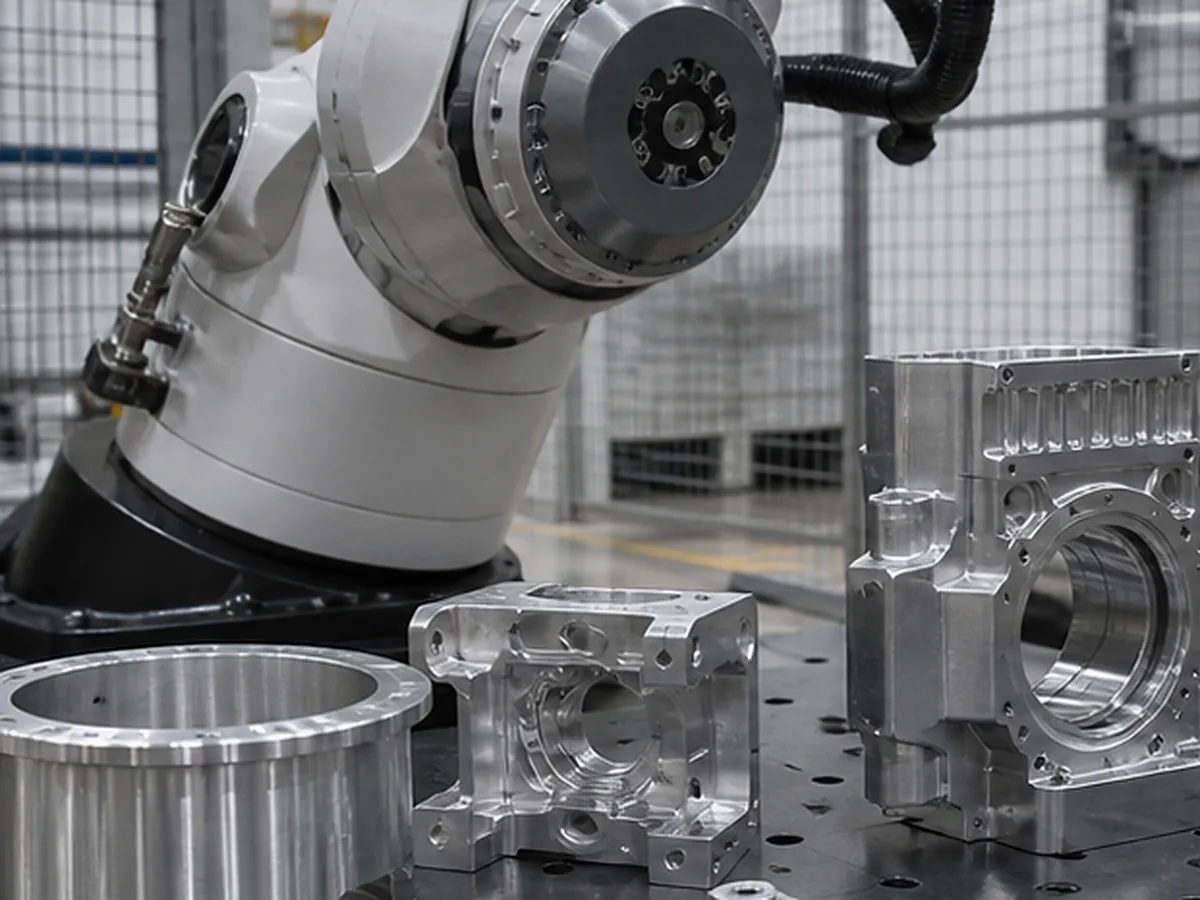
Requirements That Affect Manufacturing
| Requirement | Manufacturing concern |
|---|---|
| Thin, tall fins | Tool access, vibration, breakage and cycle time |
| Heat-transfer interface face | Flatness, roughness and coating/mask condition |
| Internal coolant passage | Machining access, sealing, cleaning and leak test |
| Mounting pattern | Position and assembly stress |
| Black anodizing/coating | Dimensional effect and actual heat-transfer role |
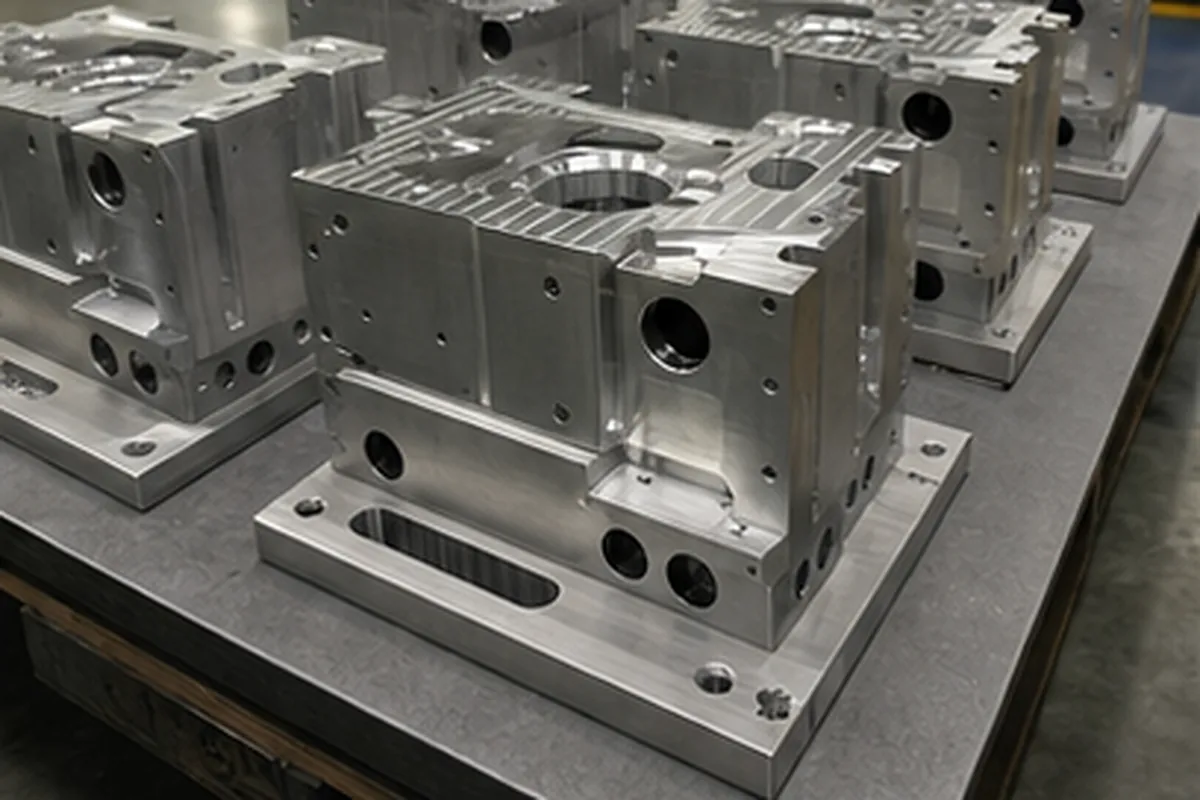
Material Selection
Aluminum is commonly selected for weight, conductivity, cost and machinability. Copper offers higher conductivity but adds weight, material cost and machining difficulty. The product engineer should compare complete heat-flow resistance, not conductivity alone.
CNC Machining Versus Extrusion or Bonded Fins
CNC machining supports prototypes, low volume, integrated mounting and complex local features. Extrusion, skiving, die casting or bonded-fin construction may be more economical for high volume or dense fin structures. Formexi should recommend the process that fits demand and geometry.
Heat-Transfer Interface Inspection
Define flatness, roughness, contact area and measurement condition. A polished-looking surface is not automatically flat. If anodizing is applied, identify whether the contact face must be masked for electrical or heat-transfer reasons.
Performance Boundary
Formexi can manufacture to an approved drawing, but system cooling-performance claims require system-level design or test data. CFD and heat-transfer validation and leak testing are separate scopes unless explicitly quoted and verified.
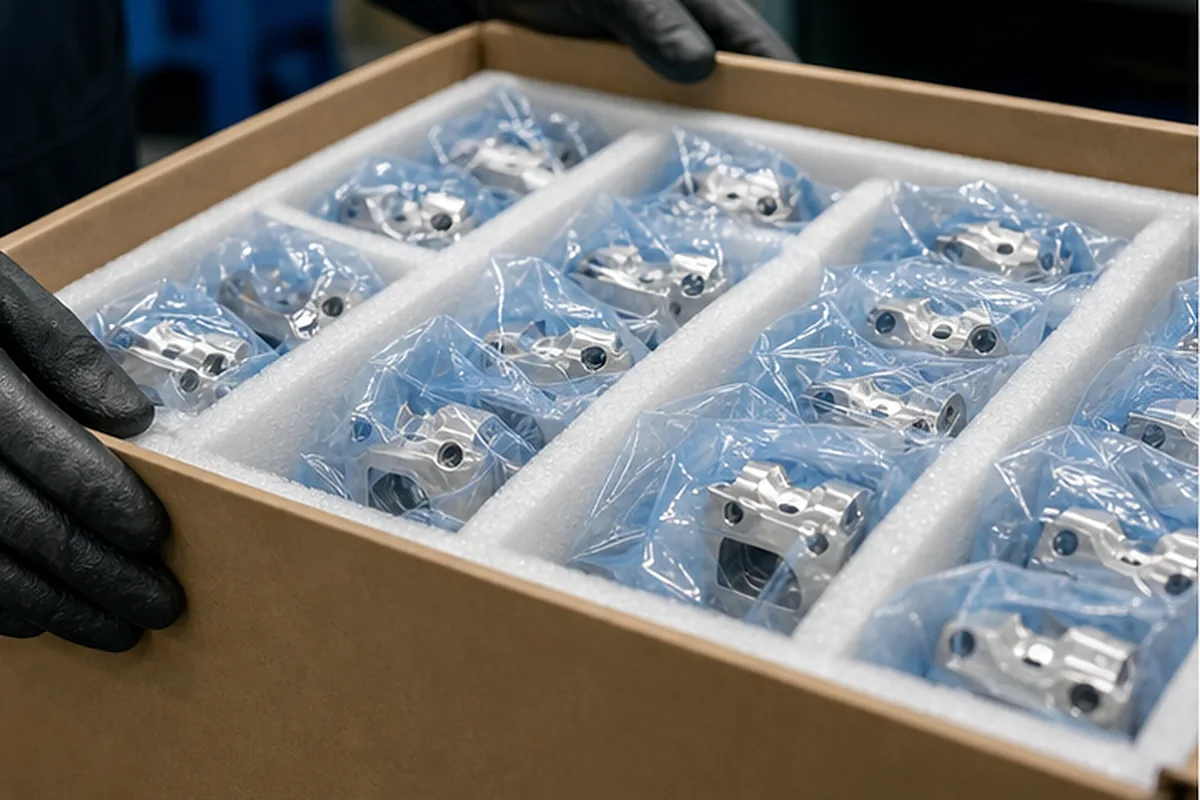
Process and Inspection Route for Fins, Interfaces and Coolant Passages
Our process route separates stock preparation, first-setup datum creation, fin or passage machining, deburring and final interface finishing. The fixture strategy must support thin fins and the mounting face without forcing the part into an artificial flat condition; a released first piece is checked before the batch continues.
For the CNC Machined Heat Sinks and Thermal Management Parts buying decision, for the Machined Heat Sinks buying decision, for the Machined Heat Sinks buying decision, for the Machined Heat Sinks buying decision, for the Machined Heat Sinks buying decision, for the Machined Heat Sinks buying decision, for the Machined Heat Sinks buying decision, for the Machined Heat Sinks buying decision, for quality control, we define in-process inspection for features that become inaccessible, final flatness and roughness measurement for the contact face, thread and position checks for mounting features, and a specified leak-test method when the drawing includes coolant passages. This helps reduce assembly gaps, damaged fins and late leakage rework.
Our Review Method for CNC Machined Heat Sinks and Thermal Management Parts Requirements
When the buyer needs a supplier response tied to the actual part rather than a generic capability statement, a broad promise can leave geometry, material, quality, cost and delivery assumptions unresolved. For Machined Heat Sinks, our engineering and quotation review turns the drawing and purchase requirement into documented process, inspection and approval questions before price or production is confirmed. This helps reduce rework, approval delays and avoidable purchasing cost without turning a screening assumption into a capability guarantee.
For the Machined Heat Sinks buying decision, we confirm the route only after reviewing the controlled drawing and model, material, quantities, critical requirements, finish, quality documents, target date, destination and confidentiality needs. Any unresolved item is listed as an RFQ clarification so the buyer can compare scope, evidence, price and lead time on the same basis.
Apply Machined Heat Sinks to the Buyer Decision
For Machined Heat Sinks, use the controlling 2D drawing and 3D model to define part number and revision, material and condition, quantity and annual demand, critical tolerances and GD&T, roughness, heat treatment, surface finish, inspection documents, packaging, delivery address and target date. Identify confidentiality restrictions and which DFM changes may be considered for this part.
Price and lead time can be confirmed only after geometry, material availability, programming, workholding, external processes, inspection effort, first-article approval and logistics are reviewed together.
Check the complete RFQ inputs before supplier comparison.
Send the Heat-Load and Mechanical Interfaces
Provide heat load, airflow/coolant, material, interface flatness, finish and quantity.