

Type III Anodizing
Hard Coat Anodizing for Wear-Resistant Aluminum Parts
Hard coat anodizing is evaluated for aluminum components requiring a thicker, harder oxide layer for wear, insulation or corrosion-related service. It has a larger dimensional effect than decorative anodizing, so coating thickness, masking and finished tolerances must be defined before machining.
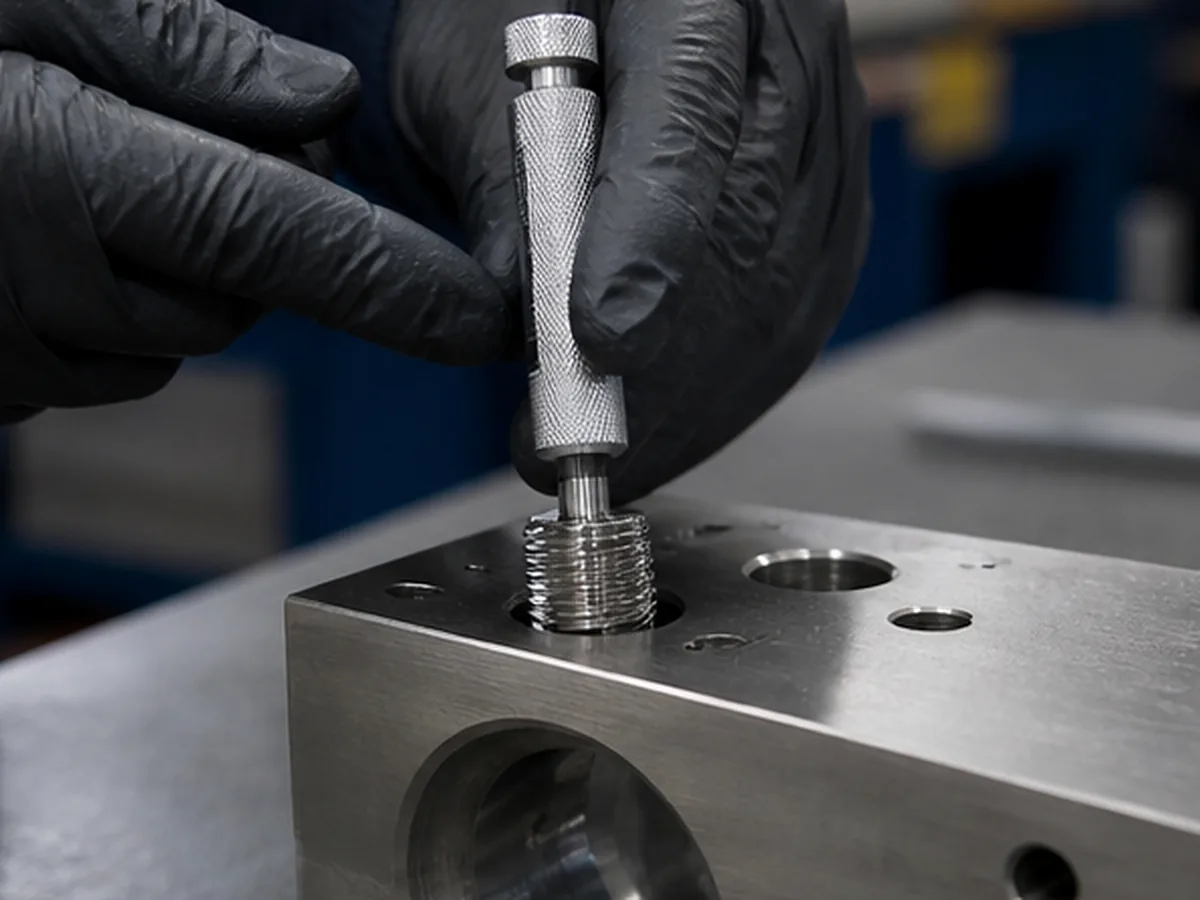
When Hard Anodizing May Be Suitable
- Sliding or wear-related aluminum surfaces
- Components requiring electrical insulation
- Parts exposed to more demanding handling or environment
- Functional surfaces where coating thickness is controlled
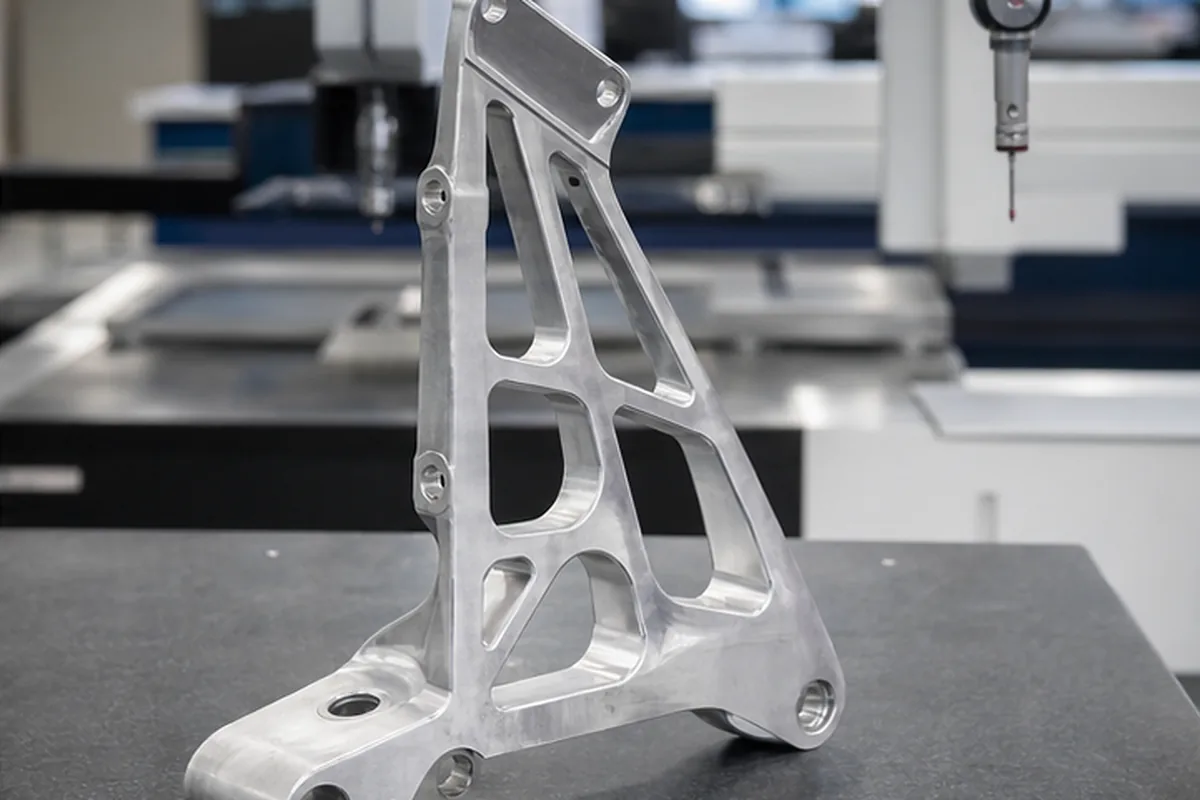
Hard Coat Versus Conventional Anodizing
| Decision factor | Conventional anodizing | Hard coat anodizing |
|---|---|---|
| Primary goal | General protection and appearance | Wear and functional oxide thickness |
| Dimensional effect | Lower | Higher and more important to fits |
| Color | Broader decorative options | Natural tone varies; dyed color may be limited |
| Cost/process control | Generally simpler | More specification-dependent |
Design and Masking
Identify threads, bores, bearing seats, electrical contacts, seal surfaces and grounding points. Sharp corners and very thin sections can produce uneven results or edge effects. Mating components should be dimensioned in the final coated condition.
Wear Claims Need Test Conditions
A hard coating does not guarantee unlimited wear life. Counterface, load, lubrication, contamination, coating thickness and seal condition all matter. Functional wear claims should be validated in the actual assembly or an agreed test.
Quality Documents
Request process certificate, thickness measurement, hardness or other tests before quotation. Availability depends on the selected partner and governing specification. Formexi does not describe partner anodizing equipment as an in-house line.
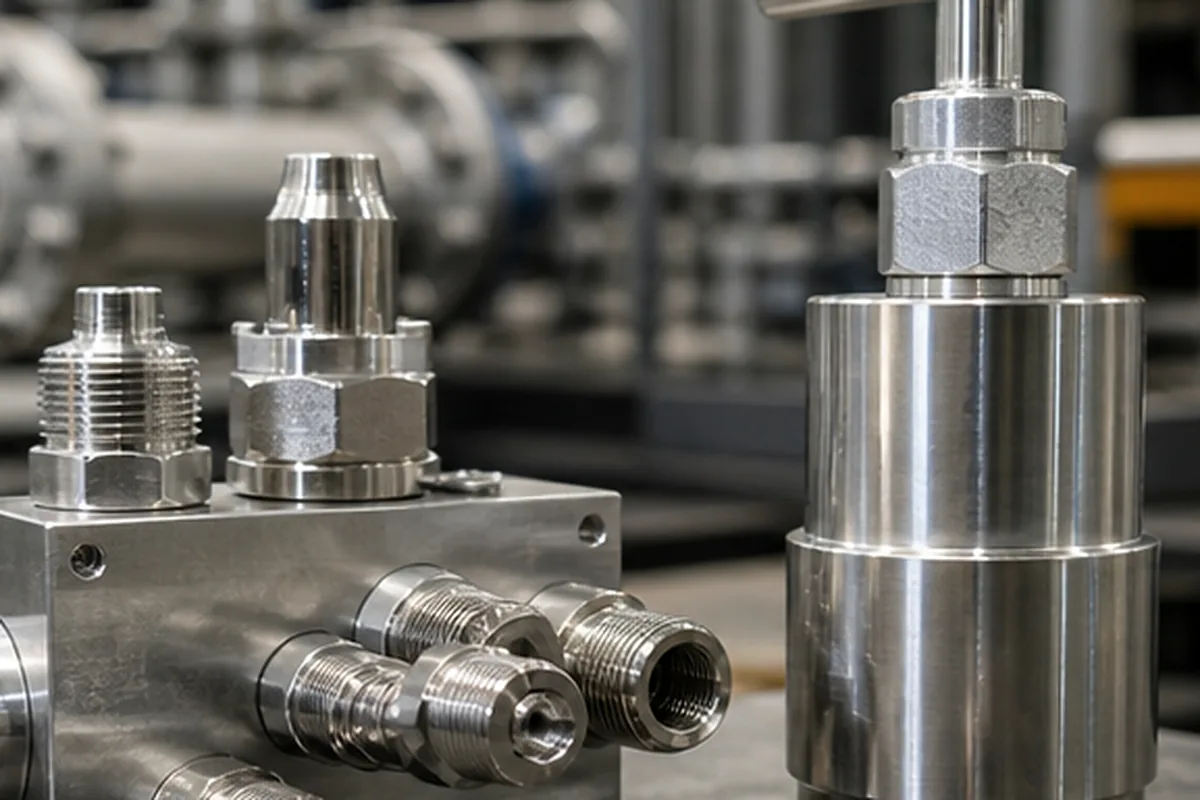
What Our Project Review Resolves Before Quoting Hard Coat Anodizing for Wear-Resistant Aluminum Parts
The purchasing issue behind Hard Coat Anodizing for Wear-Resistant Aluminum Parts is that a finish can change dimensions, hide burrs, create color variation or damage cosmetic and sealing surfaces; as a result, late finish decisions can turn acceptable machined parts into rejected final parts. Our response is to coordinates machining allowance, pretreatment, masking, rack-contact location, thread and fit protection, handling and post-process inspection as one route. The objective is to protect assembly and validation schedules while reducing preventable scrap, rework and supplier-change risk.
For the Hard Coat Anodizing for Wear-Resistant Aluminum Parts buying decision, before we confirm price or delivery, the buyer should send base material, process type/class, thickness, color or texture sample, masks, critical post-finish dimensions, tests and packaging. If a requirement cannot yet be verified, we keep it as an open condition instead of presenting it as a guaranteed result.
Protect Fits Before Adding a Hard Coating
Send final dimensional requirements, mask zones, thickness and service conditions.