

Carbon and Alloy Steel
Steel CNC Machining for Strong and Wear-Resistant Parts
Formexi machines carbon and alloy steel components where strength, stiffness, wear resistance, heat treatment or cost is more important than low weight. Grade, hardness and final heat-treated condition must be confirmed because they change tooling, distortion, grinding allowance and inspection.
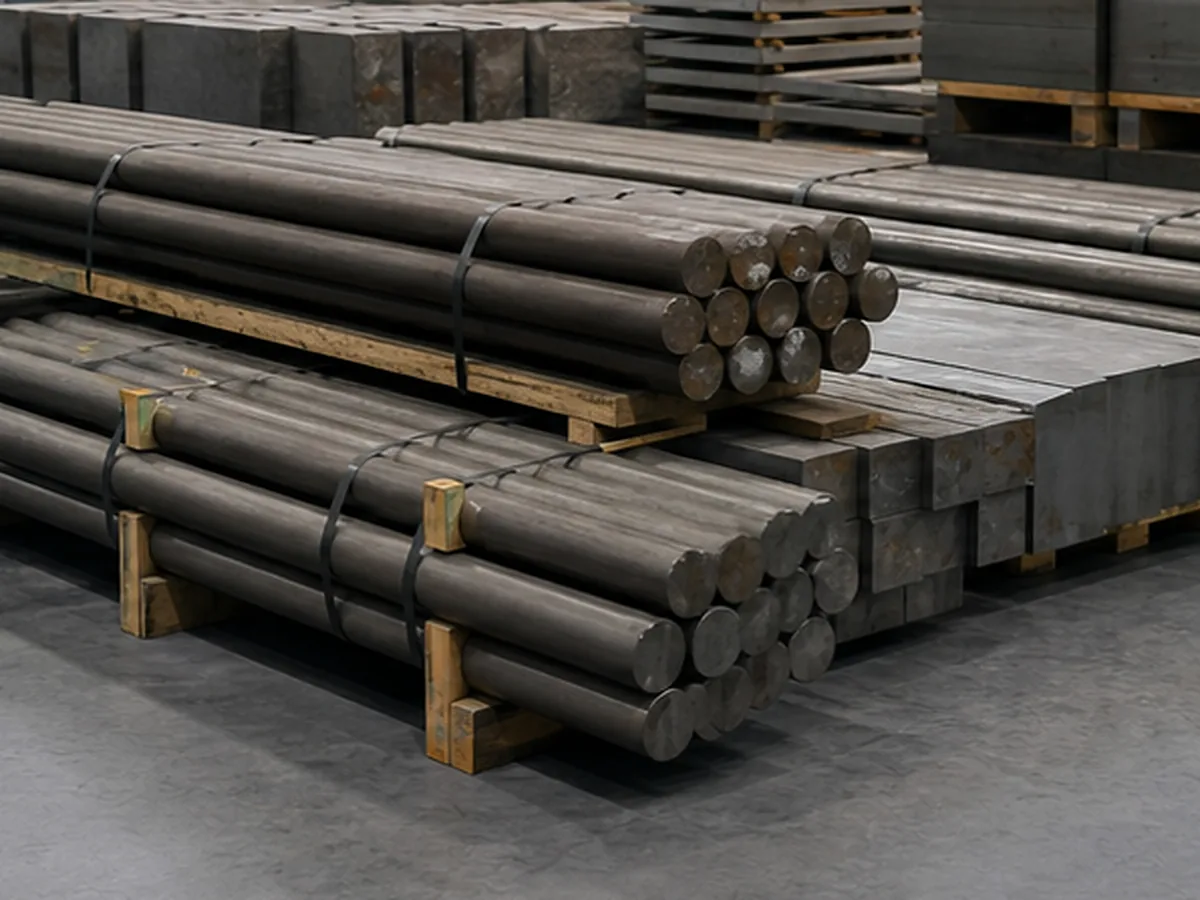
Common Steel Selection Directions
| Grade family | Often selected for | Key review |
|---|---|---|
| 1018/1020 | General low-carbon components | Strength, weldability, finish and corrosion protection |
| 1045 | Shafts and moderately higher-strength parts | Condition, wear surfaces and heat treatment |
| 4130/4140 | Stronger machine and structural components | Hardness, heat treatment and machinability |
| 4340 | Higher-strength demanding applications | Condition, toughness and process control |
| Tool steels | Wear, tooling and high-hardness applications | Annealed machining, heat treatment and grinding |
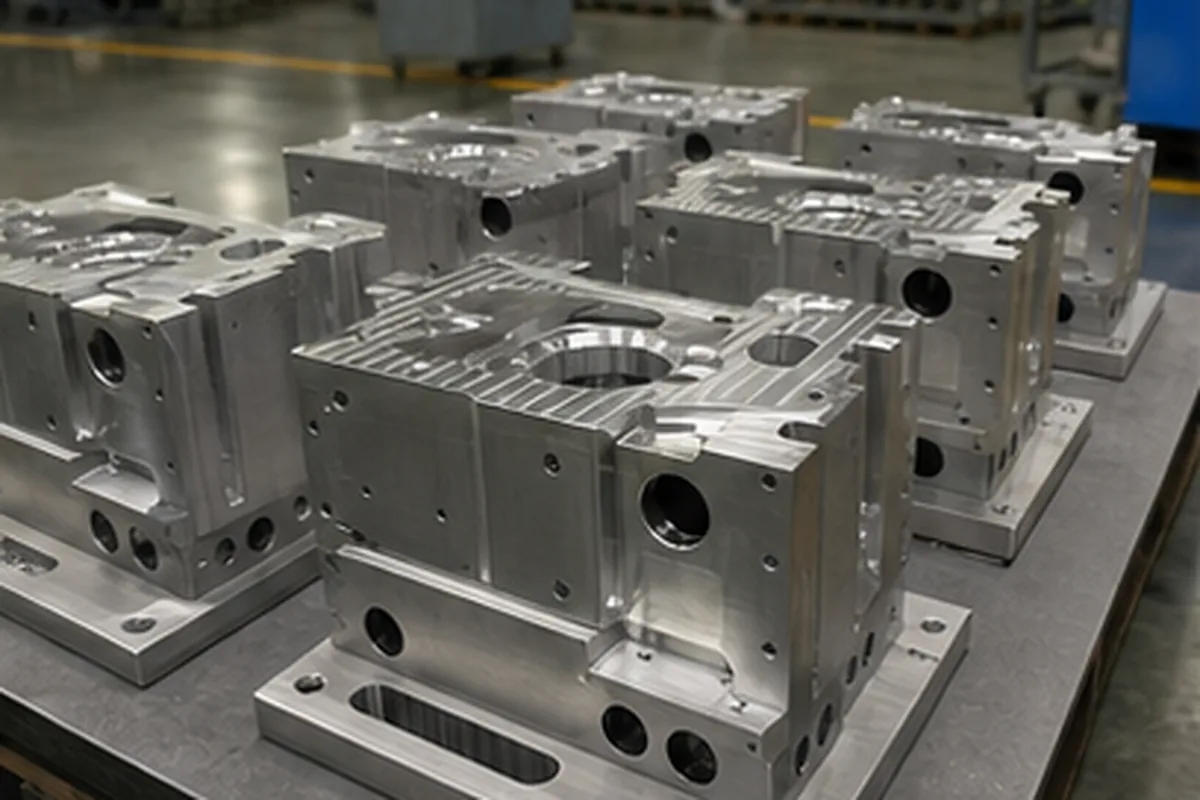
Machine Before or After Heat Treatment?
Many steel parts are rough-machined before heat treatment and finish-machined or ground afterward. Heat treatment can move size, straightness and flatness. The route depends on final hardness, tolerance, surface requirement, stock allowance and whether the geometry can be corrected after treatment.
Corrosion Protection
Carbon and alloy steels generally require an intentional corrosion strategy. Options may include oil, black oxide, zinc plating, electroless nickel, painting, powder coating or another approved treatment. Coating thickness, masking, hydrogen-embrittlement risk and appearance must be reviewed where relevant.
Design and Machining Risks
- Hardness and inclusions affect tool wear and finish.
- Long shafts may require support and straightness control.
- Heat treatment may require grinding stock on critical surfaces.
- Sharp internal features may require EDM rather than milling.
- Heavy parts and large sections require verified machine travel and lifting capacity.
Documentation
State grade, condition, hardness range, heat-treatment specification, material certificate, finish and inspection requirements. “4140” without condition is not a complete manufacturing requirement.
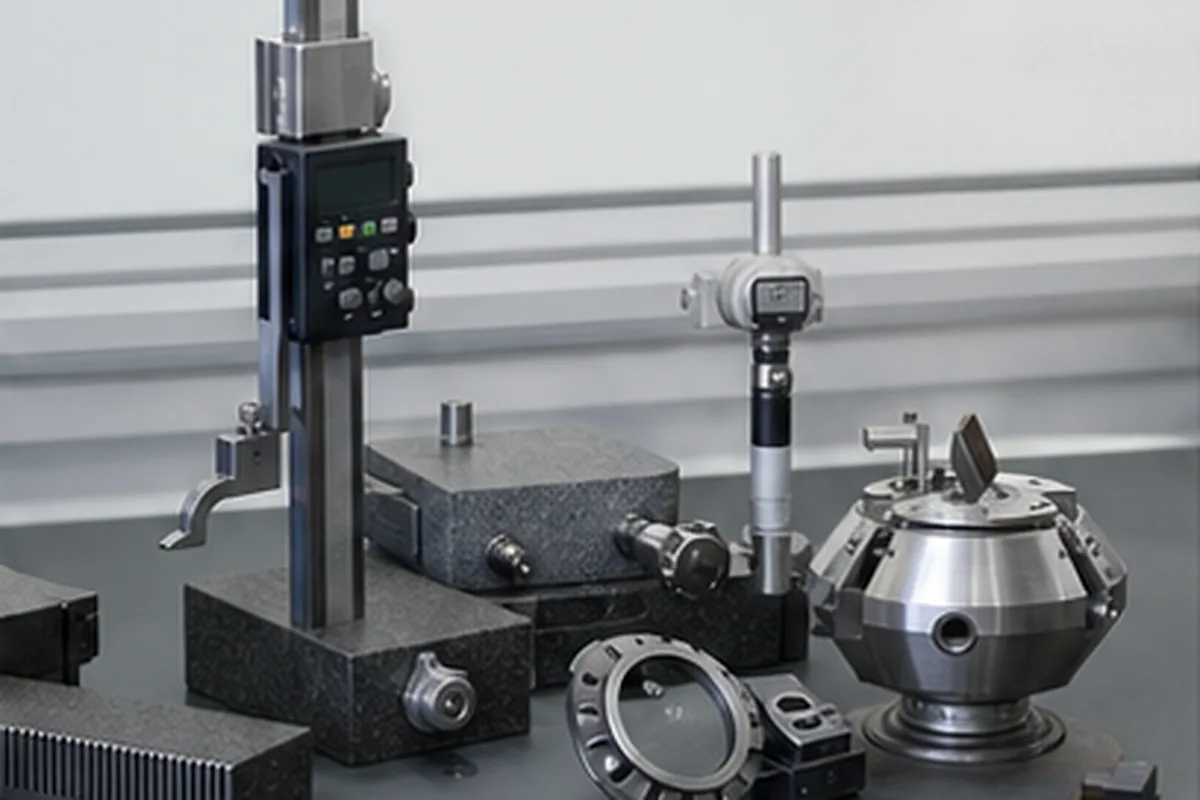
What Our Project Review Resolves Before Quoting Steel CNC Machining for Strong and Wear-Resistant Parts
When steel-part cost and stability depend on grade, hardness, stock condition and the sequence around heat treatment, an unclear hardness or allowance can cause tool-wear surprises, distortion or insufficient material for final finishing. For Steel CNC Machining for Strong and Wear-Resistant Parts, our engineering and quotation review confirms the material standard and condition, divides rough and finish operations where needed, and reserves measurable stock for post-treatment features. This helps reduce rework, approval delays and avoidable purchasing cost without turning a screening assumption into a capability guarantee.
For the Steel CNC Machining for Strong and Wear-Resistant Parts buying decision, we confirm the route only after reviewing the full steel grade, starting and final hardness, heat-treatment specification, machining allowance, critical features, certificates and quantity. Any unresolved item is listed as an RFQ clarification so the buyer can compare scope, evidence, price and lead time on the same basis.
Select Steel With the Final Condition in Mind
Send the drawing, grade, hardness, heat-treatment route and critical dimensions.