

Rotational Geometry
Runout and Coaxial Control for CNC Machined Parts
Use circular or total runout when rotating-surface variation relative to a datum axis affects sealing, bearing, vibration or assembly. Coaxiality as a functional idea can be controlled by position, runout or another requirement depending on the feature. Do not use concentricity, position and runout interchangeably.
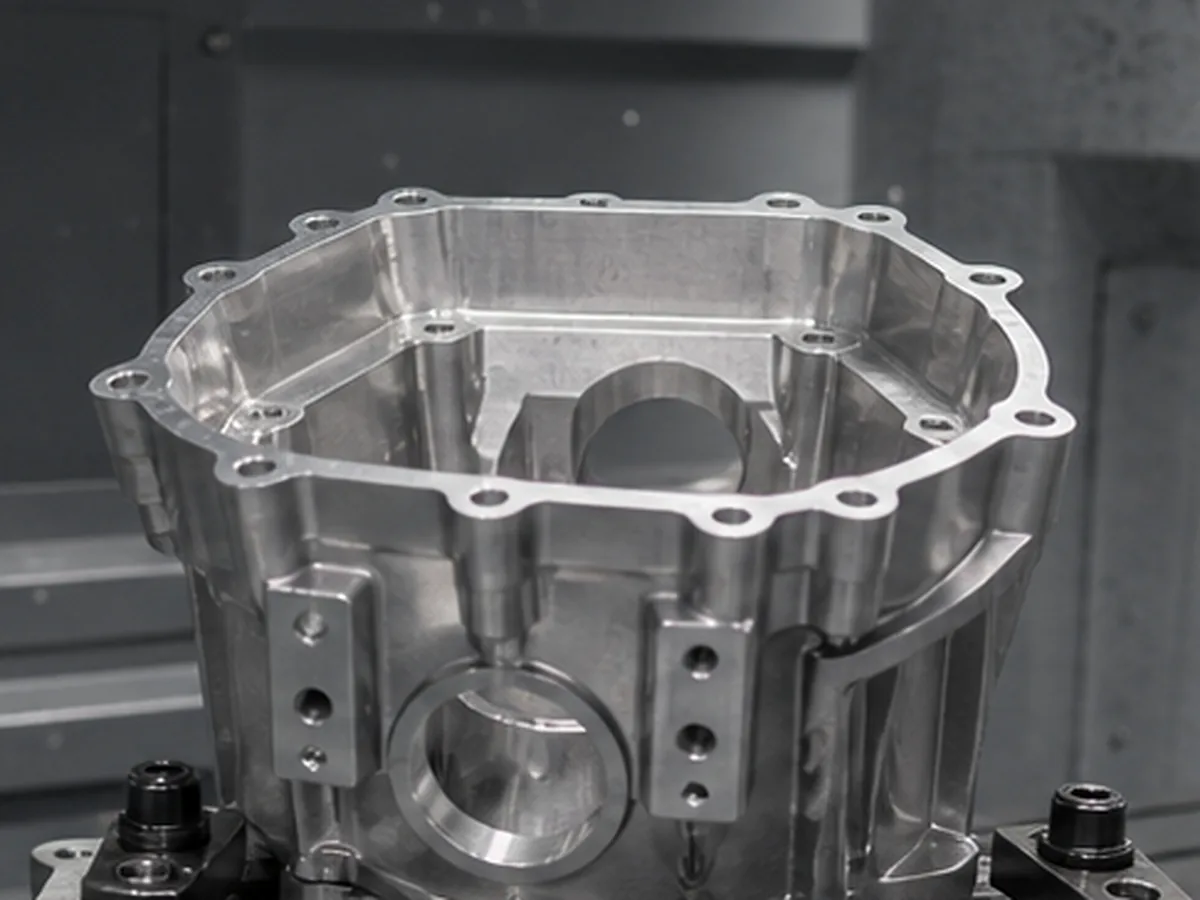
Recommended Engineering Method
- Define the functional datum axis from a suitable feature.
- Identify whether each cross-section or the full surface must be controlled.
- Separate size, roundness, straightness and runout requirements.
- Review how the part is supported during inspection.
- Choose an indicator, roundness system or CMM method appropriate to risk.
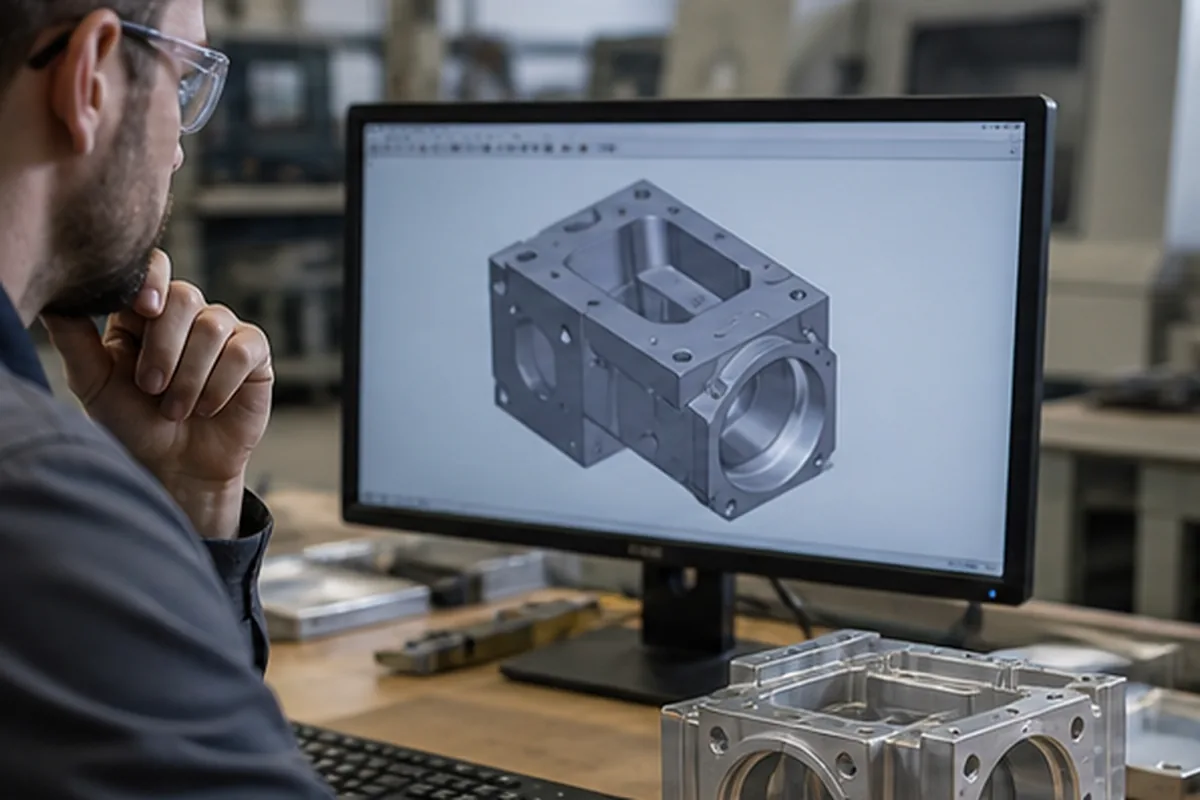
Common Specification and Inspection Errors
- Using centerline language without a measurable control
- Datum bore too short or unstable to establish an axis
- Clamping a slender shaft so inspection creates runout
- Calling surface runout a diameter-size failure
Questions the Buyer and Supplier Must Resolve
- Is the concern rotation, wall thickness or feature location?
- Does circular or total runout match the function?
- How is the datum axis simulated?
- What speed/support condition matters in assembly?
Required Evidence
Use the controlled drawing, actual-value results, stated equipment/method, datum or support setup, inspection condition and approval record. The appropriate method and achievable uncertainty remain feature- and project-specific.
Acceptance Boundary
Formexi can review manufacturability and inspection feasibility, but the buyer retains design authority for functional requirements and deviations. Any GD&T interpretation must follow the standard edition stated on the drawing.
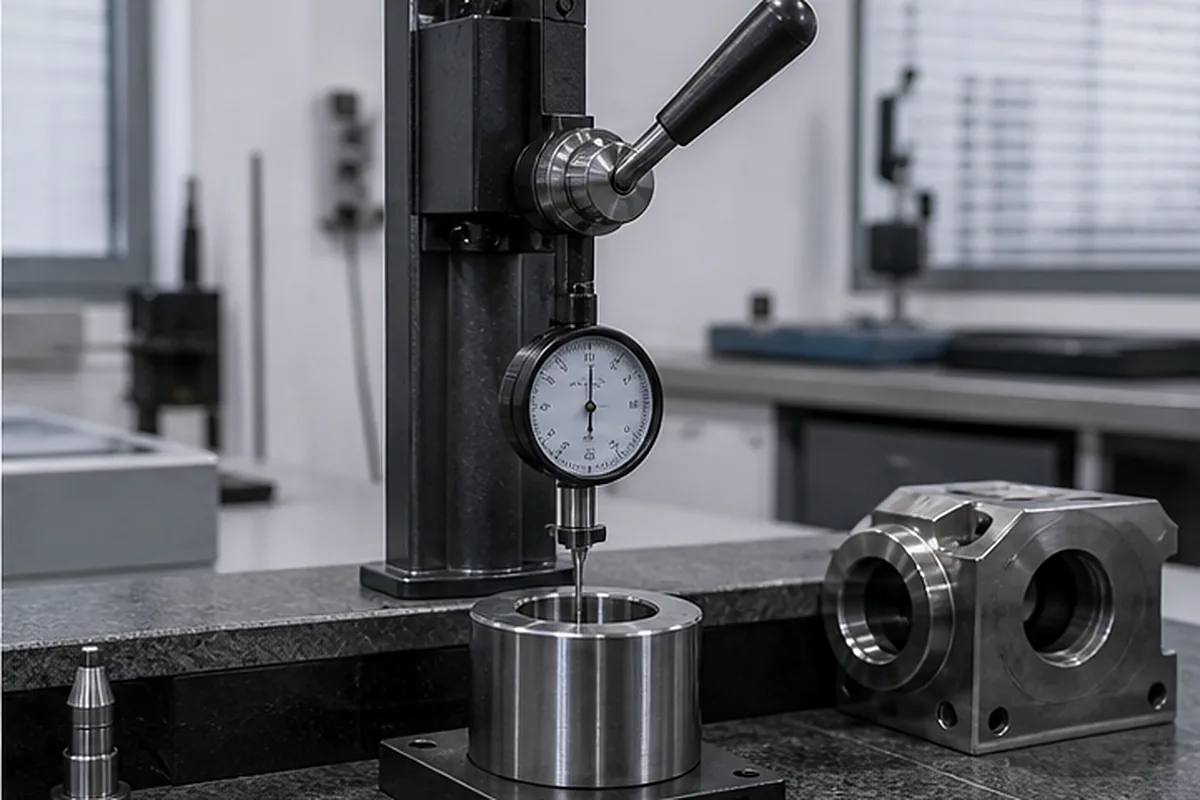
How We Control the Buyer Risk in Runout and Coaxial Control for CNC Machined Parts
When ambiguous datums or blanket tight tolerances make machining and inspection plans disagree, the buyer can pay for unnecessary precision yet still receive results that do not predict fit, seal or motion. For Runout and Coaxial Control for CNC Machined Parts, our engineering and quotation review maps each critical characteristic to a manufacturable datum scheme, process stage and accessible measurement method with suitable uncertainty. This helps reduce rework, approval delays and avoidable purchasing cost without turning a screening assumption into a capability guarantee.
For the Runout and Coaxial Control for CNC Machined Parts buying decision, we confirm the route only after reviewing the controlled 2D drawing, datum sequence, functional interfaces, tolerance standard, measurement condition and required report. Any unresolved item is listed as an RFQ clarification so the buyer can compare scope, evidence, price and lead time on the same basis.
Apply Runout and Coaxial Control for CNC Machined Parts to the Buyer Decision
For Runout and Coaxial Control for CNC Machined Parts, use the controlling 2D drawing and 3D model to define part number and revision, material and condition, quantity and annual demand, critical tolerances and GD&T, roughness, heat treatment, surface finish, inspection documents, packaging, delivery address and target date. Identify confidentiality restrictions and which DFM changes may be considered for this part.
Price and lead time can be confirmed only after geometry, material availability, programming, workholding, external processes, inspection effort, first-article approval and logistics are reviewed together.
Check the complete RFQ inputs before supplier comparison.