

Aluminum Stability
Why Aluminum CNC Machined Parts Distort
Aluminum CNC parts distort when residual stock stress, uneven material removal, clamping force, cutting heat or weak geometry redistributes internal forces. Risk rises in large plates, thin walls and deep pockets. Control begins with stock form, balanced roughing, workholding and free-state inspection.
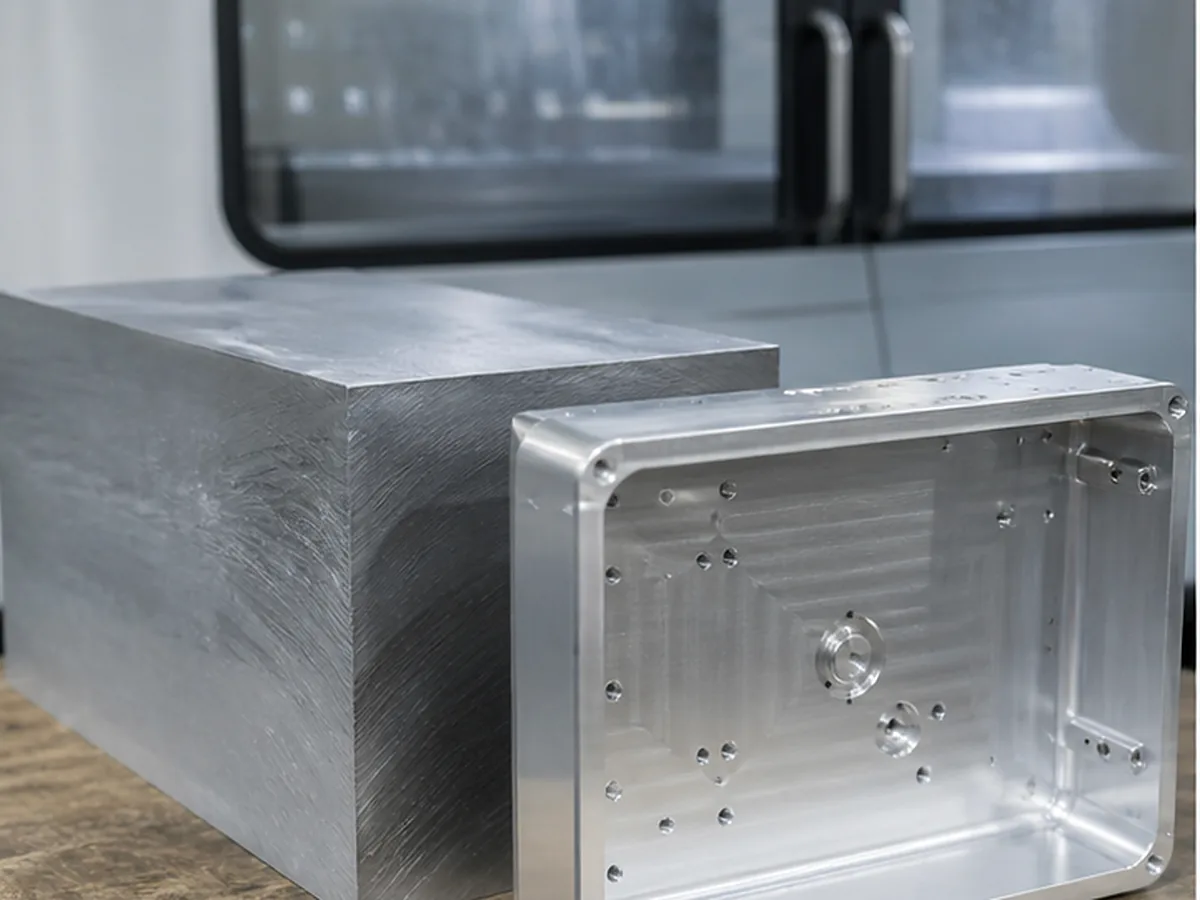
Engineering Selection Method
- Choose alloy, temper and low-stress stock form appropriate to geometry.
- Remove stock in balanced stages where possible.
- Leave finish allowance after major stress release.
- Spread clamping force and support flexible regions.
- Stabilize and inspect in a defined condition.
Common Buyer and Drawing Mistakes
- Machining one face to final size before heavy opposite-side removal
- Clamping a bowed part flat for acceptance
- Adding fine flatness without assembly context
- Blaming anodizing when pre-finish geometry was not recorded
Information Required for a Useful Quote
Provide the exact material grade, condition, governing standard, permitted product form, certificate/traceability needs, quantity, geometry, final finish and service constraints. Availability and machining route remain subject to project review.
Validation Boundary
Published property values are screening information and vary by grade, form, test condition and supplier. The buyer must validate the final material against the product’s load, environment and compliance requirements.
How We Reduce Sourcing and Manufacturing Risk for Why Aluminum CNC Machined Parts Distort
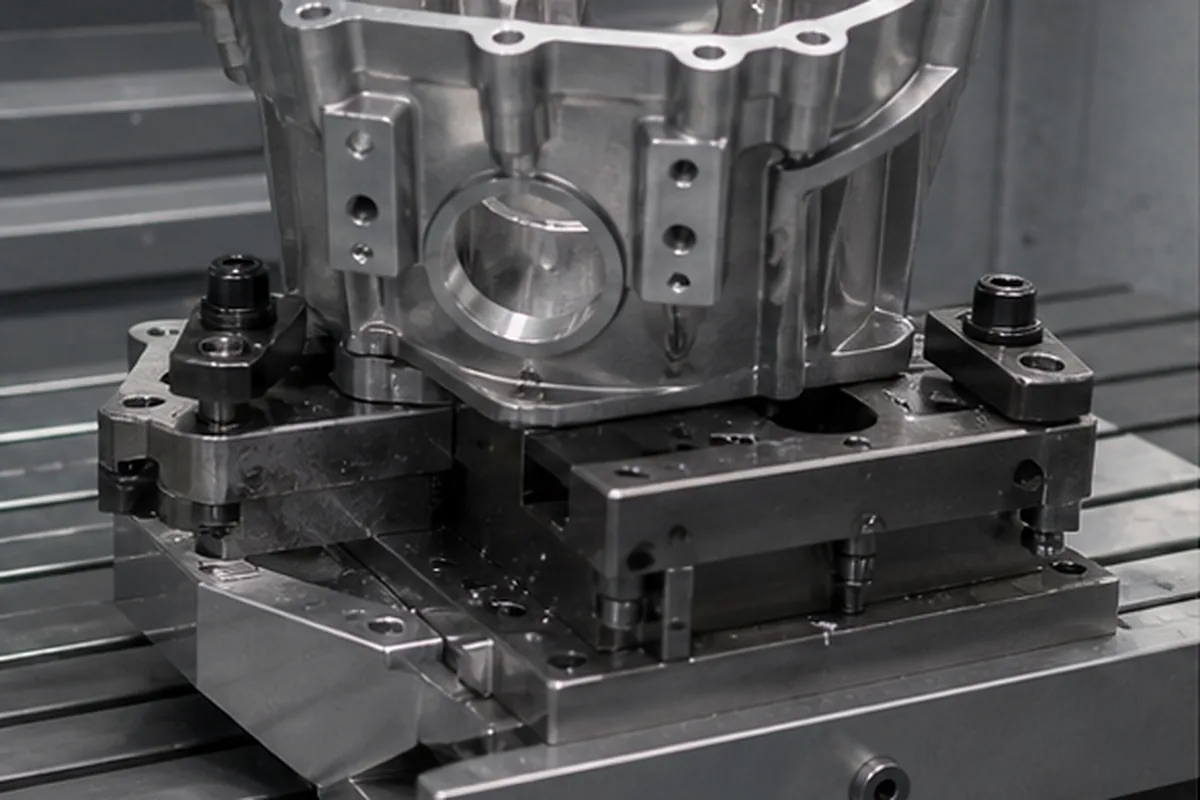
A useful supplier solution for Why Aluminum CNC Machined Parts Distort starts when light-alloy parts can distort after heavy stock removal and can be marked during machining, finishing or packing. Because scratches, released stress, thin-wall movement and finish variation can delay assembly approval, our project review reviews temper and stock form, balances material removal, controls support and handling, and links anodize or conversion-coating allowance to the critical dimensions. That approach helps the buyer avoid paying for the wrong process and lowers the chance of discovering a critical issue after machining or finishing.
For the Why Aluminum CNC Machined Parts Distort buying decision, our review needs the exact alloy and temper, stock direction, wall and pocket geometry, cosmetic zones, post-finish fits, quantity and inspection condition. We record assumptions, approval points and evidence requirements before the quotation becomes the production baseline.
Apply Aluminum CNC Machined Parts Distort to the Buyer Decision
For Aluminum CNC Machined Parts Distort, use the controlling 2D drawing and 3D model to define part number and revision, material and condition, quantity and annual demand, critical tolerances and GD&T, roughness, heat treatment, surface finish, inspection documents, packaging, delivery address and target date. Identify confidentiality restrictions and which DFM changes may be considered for this part.
Price and lead time can be confirmed only after geometry, material availability, programming, workholding, external processes, inspection effort, first-article approval and logistics are reviewed together.
Check the complete RFQ inputs before supplier comparison.