

Masking Design
How to Define Surface-Finish Masking Requirements
Define masking by showing exactly which surfaces must remain uncoated, why they are protected, the boundary tolerance, permitted transition, rack/contact locations and how the final feature will be inspected. Masking adds manual work and edge variation, so protect only functional areas that require it.
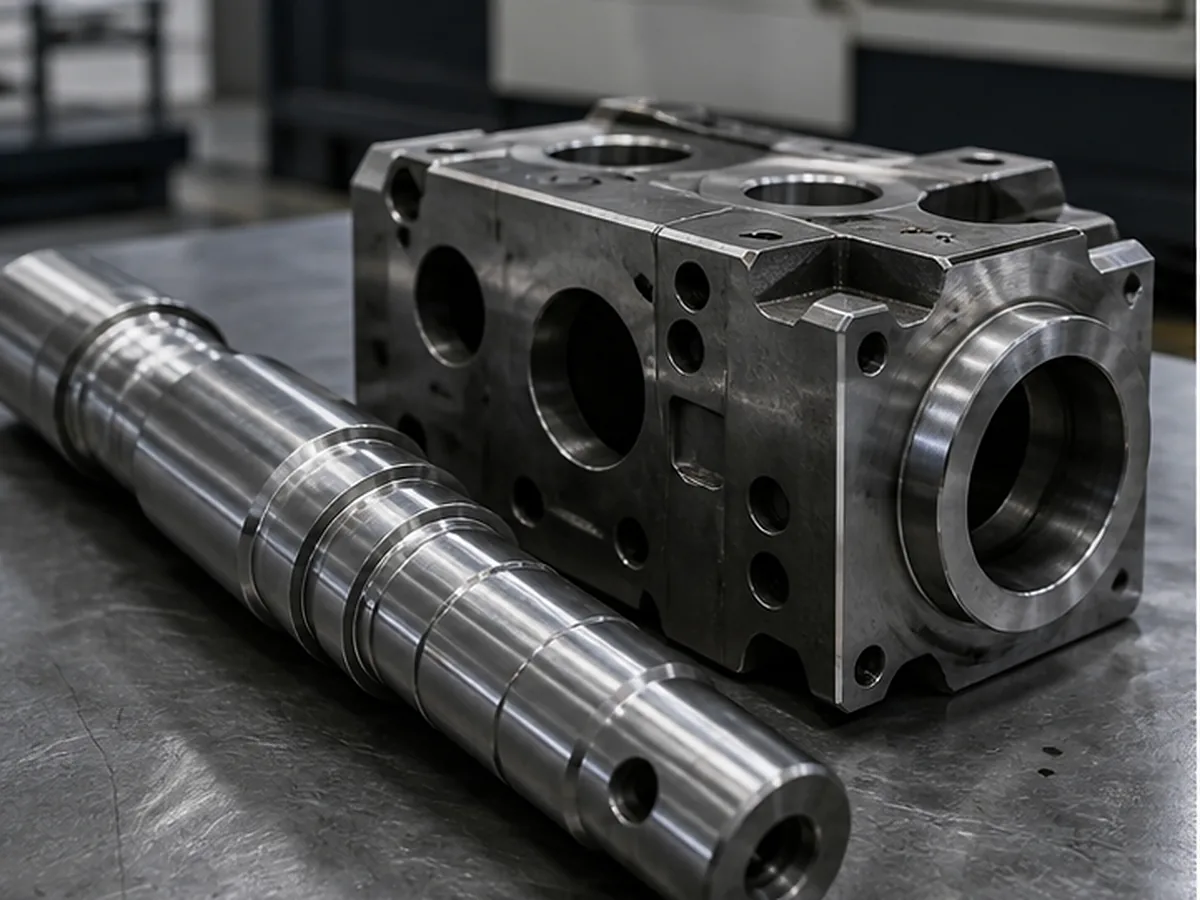
Features Commonly Considered for Masking
| Feature | Reason | Alternative to review |
|---|---|---|
| Bearing or locating bore | Preserve final fit | Pre-compensate or finish-machine |
| Thread | Maintain gauge fit | Allowance or approved post-process chasing |
| Grounding/contact pad | Maintain conductivity | Approved conductive finish |
| Sealing face | Control roughness and geometry | Compatible finish validated for seal |
| Bonding area | Support adhesive preparation | Approved surface pretreatment |
| Laser-marking zone | Control contrast/process sequence | Mark after finish where compatible |
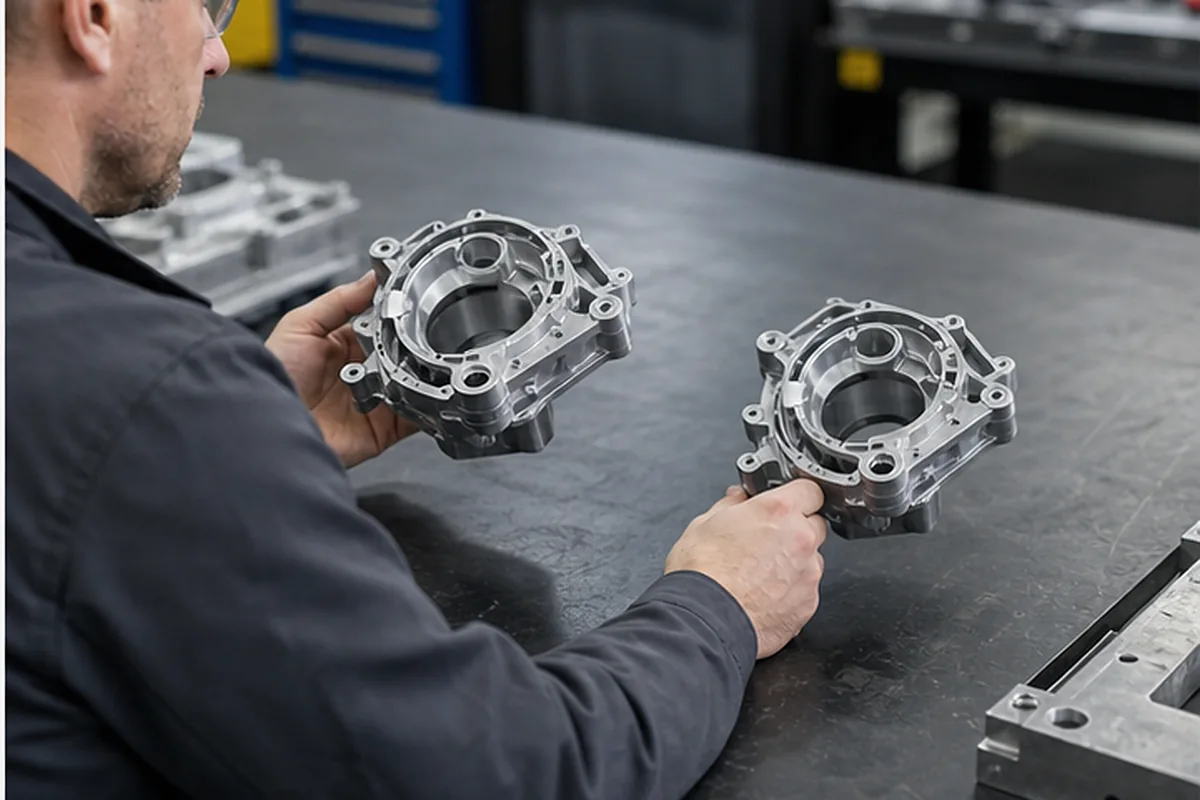
Dimension the Boundary From Stable Datums
Use a controlled drawing view, section or 3D definition. Give the masked length, diameter or perimeter and an allowable transition zone. “Mask all critical areas” is not quotable because the processor cannot identify design intent.
Understand the Transition
Masking can create a feathered edge, small step, color boundary or local process variation. Define whether slight overlap or under-mask is acceptable and where the boundary may fall. Do not place a tight cosmetic boundary through an inaccessible corner without processor review.
Racking and Electrical Contact Need Approved Locations
Anodizing, plating and powder coating routes may need contact or hanging points. Mark acceptable locations in noncritical zones. If no mark is permitted anywhere, the requirement may be physically impractical or require a different route that affects cost and risk.
Masking Review Checklist
- Identify the functional reason for each masked zone.
- Specify the finish and thickness outside the zone.
- Dimension the boundary and transition tolerance.
- Mark rack/contact and handling areas.
- Define final dimensions and measurement stage.
- Agree on thread and bore gauging after finish.
- Inspect a representative first article before the full batch.
When Masking Is Not the Best Solution
Masking may be difficult on tiny features, deep intersections, porous cast surfaces or complex repeated boundaries. Pre-compensation, plugs, selective finish, post-machining or design change may be more repeatable. Each alternative has corrosion, appearance and dimensional consequences.
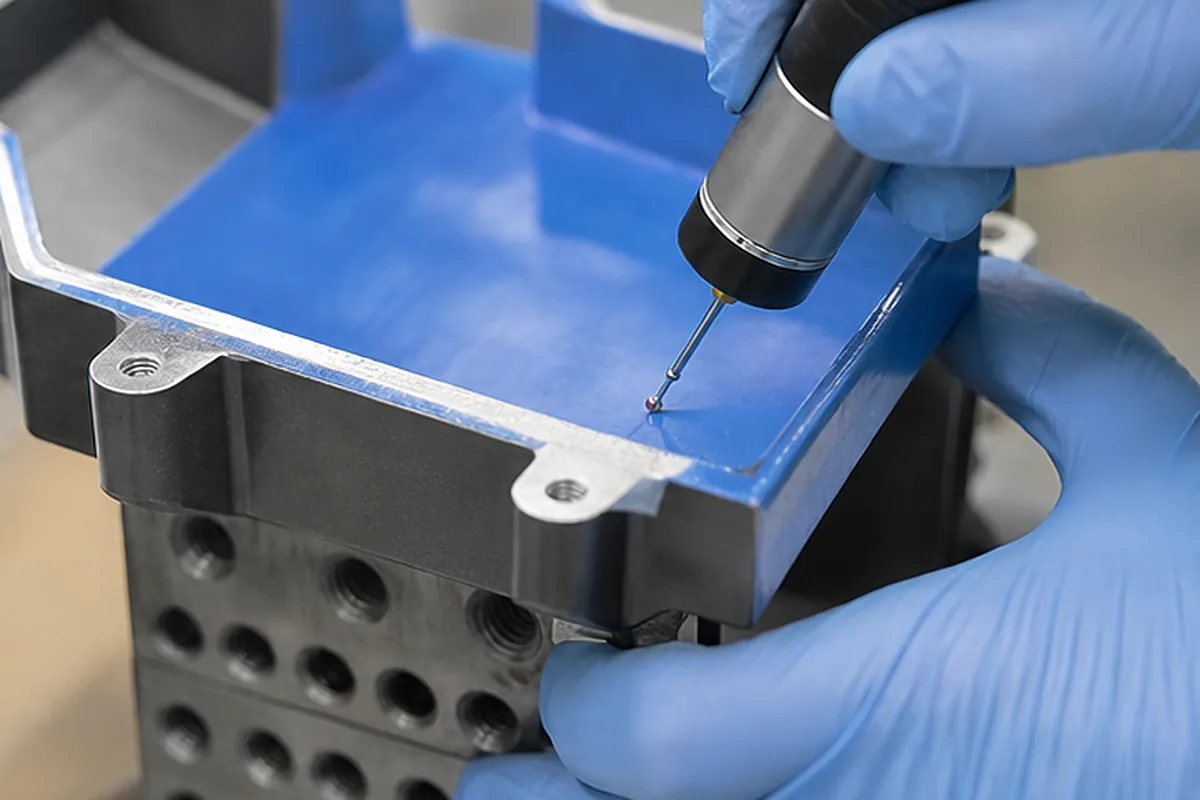
Our Review Method for How to Define Surface-Finish Masking Requirements Requirements
The purchasing issue behind How to Define Surface-Finish Masking Requirements is that the buyer needs a supplier response tied to the actual part rather than a generic capability statement; as a result, a broad promise can leave geometry, material, quality, cost and delivery assumptions unresolved. Our response is to turns the drawing and purchase requirement into documented process, inspection and approval questions before price or production is confirmed. The objective is to protect assembly and validation schedules while reducing preventable scrap, rework and supplier-change risk.
For the How to Define Surface-Finish Masking Requirements buying decision, before we confirm price or delivery, the buyer should send the controlled drawing and model, material, quantities, critical requirements, finish, quality documents, target date, destination and confidentiality needs. If a requirement cannot yet be verified, we keep it as an open condition instead of presenting it as a guaranteed result.
Apply Define Surface-Finish Masking Requirements to the Buyer Decision
For Define Surface-Finish Masking Requirements, use the controlling 2D drawing and 3D model to define part number and revision, material and condition, quantity and annual demand, critical tolerances and GD&T, roughness, heat treatment, surface finish, inspection documents, packaging, delivery address and target date. Identify confidentiality restrictions and which DFM changes may be considered for this part.
Price and lead time can be confirmed only after geometry, material availability, programming, workholding, external processes, inspection effort, first-article approval and logistics are reviewed together.
Check the complete RFQ inputs before supplier comparison.