

Lightweight Metal Selection
Aluminum vs Titanium for CNC Machined Parts
Choose aluminum when low weight, machinability, heat transfer, availability and cost dominate. Choose titanium when higher specific strength, temperature or corrosion behavior provides enough functional value to justify material cost and slower machining. Titanium is not simply a “better aluminum.”
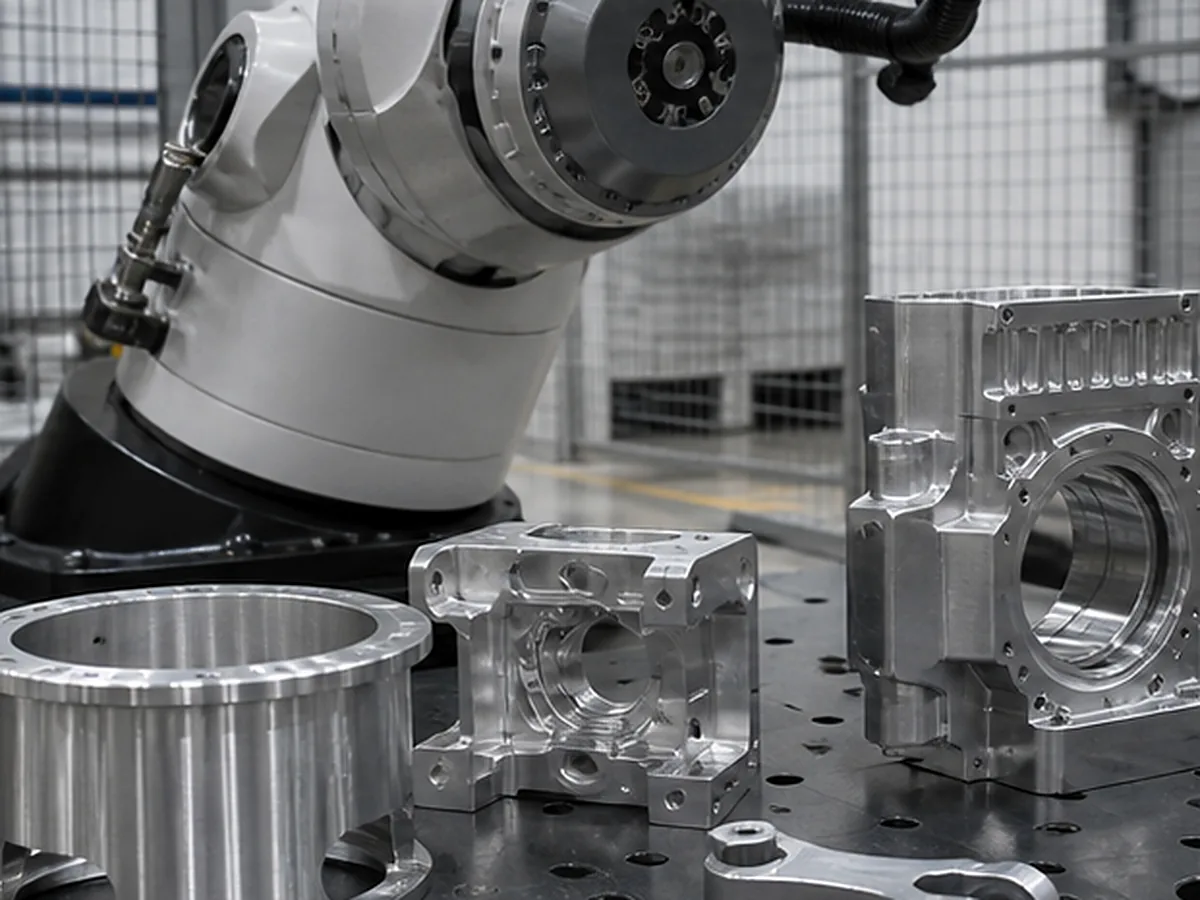
Direct Comparison
| Factor | Aluminum | Titanium |
|---|---|---|
| Density | Lower | Higher than aluminum but lower than steel |
| Specific strength | Grade-dependent | High in common structural grades |
| Machinability | Generally faster | Heat/tool-wear control required |
| Material cost | Generally lower | Higher |
| Thermal conductivity | Higher | Much lower |
| Corrosion | Alloy/finish/environment dependent | Strong in many environments, not universal |
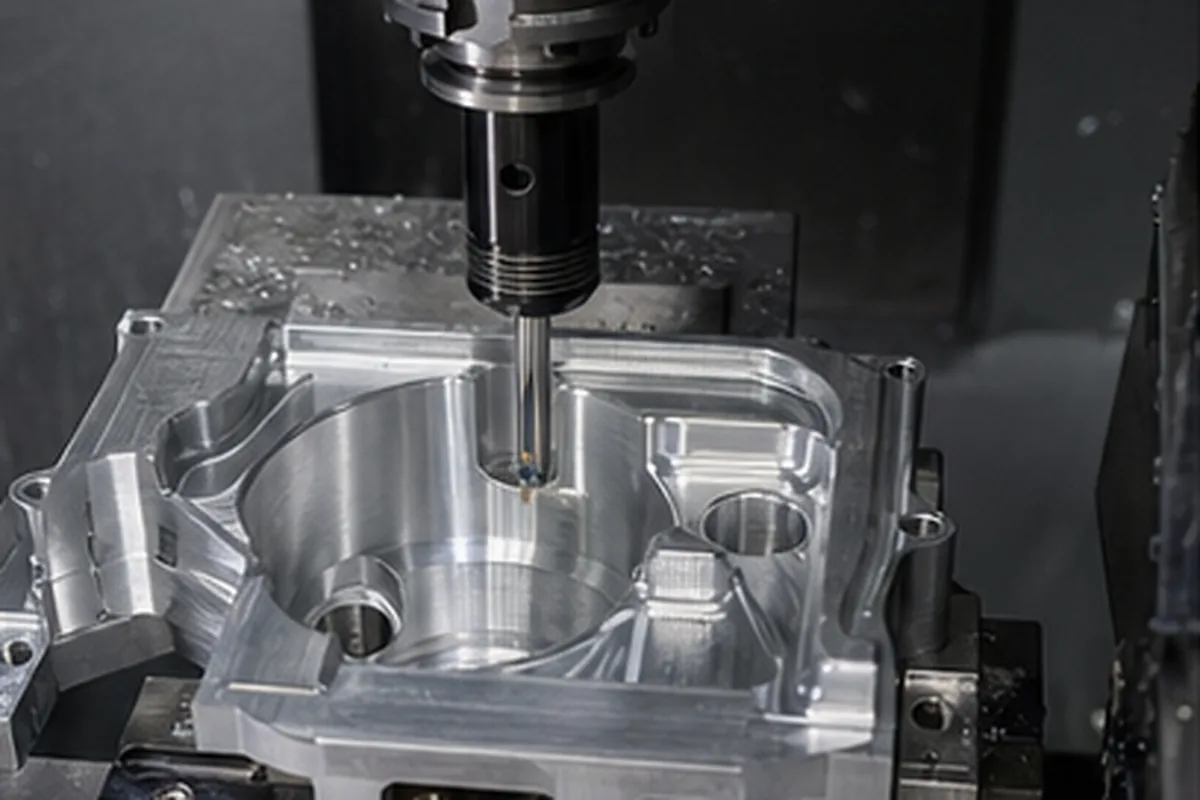
Choose Aluminum When
- Weight and cost are central.
- Heat transfer matters.
- General structural strength is sufficient.
- Fast prototype or production machining is needed.
Choose Titanium When
- Higher strength-to-weight materially reduces structure.
- Selected corrosion or temperature performance is required.
- Cost and longer machining are acceptable.
- Exact grade and traceability are controlled.
Machining Cost
Titanium retains cutting heat and can wear tools, increasing cycle and process cost. Geometry that is inexpensive in aluminum may be costly in titanium. Reduce deep pockets, thin walls and unnecessary fine finish where possible.
Regulated Application Boundary
Titanium grade alone does not establish aerospace or implant compliance. Certified source, process, quality system and validation are required.
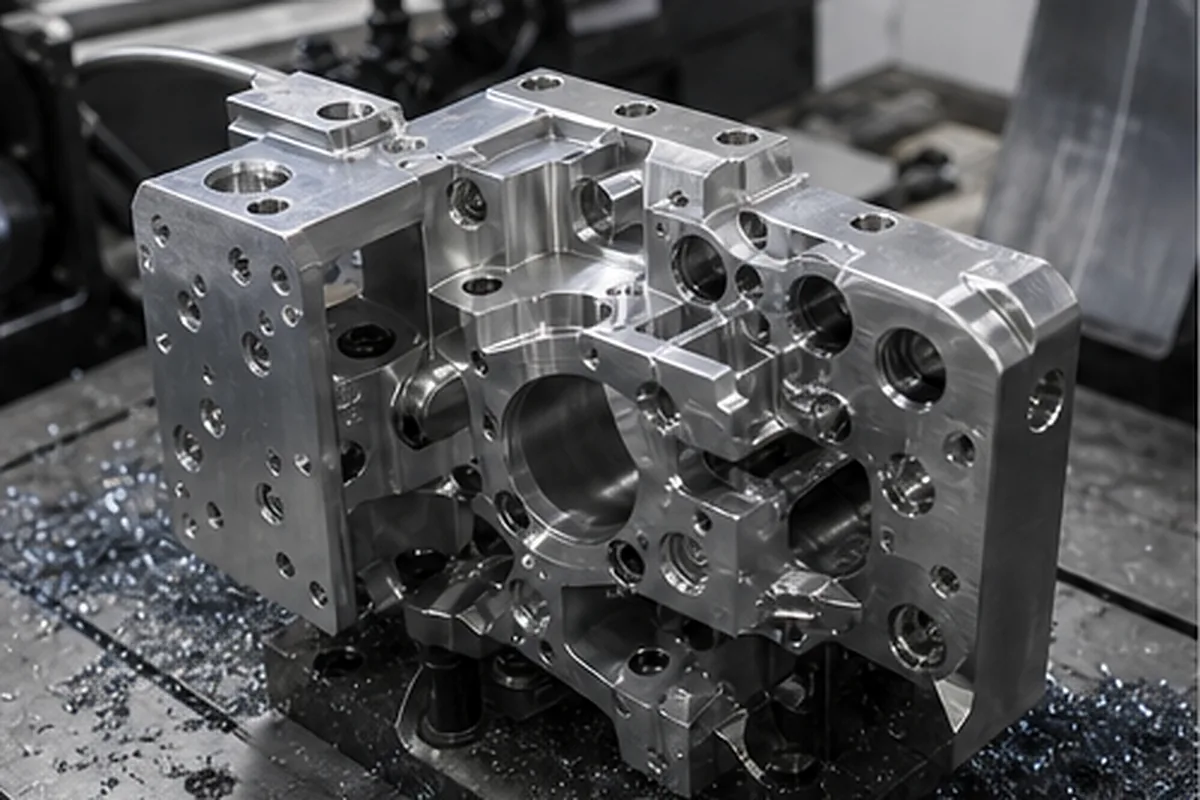
How We Control the Buyer Risk in Aluminum vs Titanium for CNC Machined Parts
The purchasing issue behind Aluminum vs Titanium for CNC Machined Parts is that light-alloy parts can distort after heavy stock removal and can be marked during machining, finishing or packing; as a result, scratches, released stress, thin-wall movement and finish variation can delay assembly approval. Our response is to reviews temper and stock form, balances material removal, controls support and handling, and links anodize or conversion-coating allowance to the critical dimensions. The objective is to protect assembly and validation schedules while reducing preventable scrap, rework and supplier-change risk.
For the Aluminum vs Titanium for CNC Machined Parts buying decision, before we confirm price or delivery, the buyer should send the exact alloy and temper, stock direction, wall and pocket geometry, cosmetic zones, post-finish fits, quantity and inspection condition. If a requirement cannot yet be verified, we keep it as an open condition instead of presenting it as a guaranteed result.
Apply Aluminum vs Titanium for CNC Machined Parts to the Buyer Decision
For Aluminum vs Titanium for CNC Machined Parts, use the controlling 2D drawing and 3D model to define part number and revision, material and condition, quantity and annual demand, critical tolerances and GD&T, roughness, heat treatment, surface finish, inspection documents, packaging, delivery address and target date. Identify confidentiality restrictions and which DFM changes may be considered for this part.
Price and lead time can be confirmed only after geometry, material availability, programming, workholding, external processes, inspection effort, first-article approval and logistics are reviewed together.
Check the complete RFQ inputs before supplier comparison.