

Raw Material Form
Plate vs Bar vs Forging for CNC Machined Parts
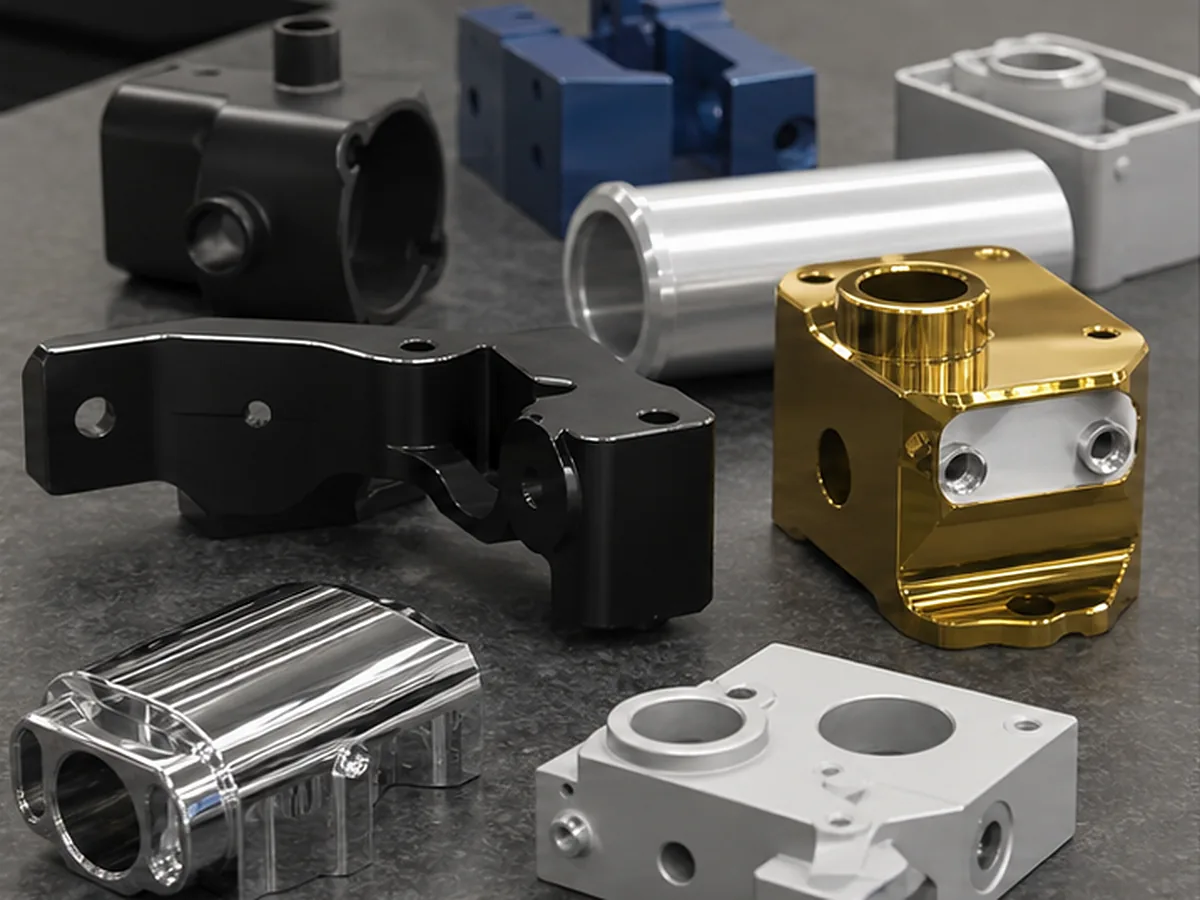
Choose plate for broad flat geometry and available thicknesses, bar for rotational or compact prismatic stock, and forging when grain flow, section performance or near-net shape justifies tooling and sourcing complexity. Material form affects properties, residual stress, waste, certification and lead time.
Engineering Selection Method
- Compare part envelope with available stock sizes.
- Identify directional strength and fatigue requirements.
- Review residual-stress and distortion sensitivity.
- Calculate machining allowance and material yield.
- Confirm standard, temper, certificate and approved source.

Common Buyer and Drawing Mistakes
- Assuming the same alloy has identical properties in every form
- Cutting a thin plate part from heavily stressed bar
- Specifying forging for prototype quantity without tooling justification
- Ignoring grain direction on a functionally directional part
Information Required for a Useful Quote
Provide the exact material grade, condition, governing standard, permitted product form, certificate/traceability needs, quantity, geometry, final finish and service constraints. Availability and machining route remain subject to project review.
Validation Boundary
Published property values are screening information and vary by grade, form, test condition and supplier. The buyer must validate the final material against the product’s load, environment and compliance requirements.
What Our Project Review Resolves Before Quoting Plate vs Bar vs Forging for CNC Machined Parts
When the buyer needs a supplier response tied to the actual part rather than a generic capability statement, a broad promise can leave geometry, material, quality, cost and delivery assumptions unresolved. For Plate vs Bar vs Forging for CNC Machined Parts, our engineering and quotation review turns the drawing and purchase requirement into documented process, inspection and approval questions before price or production is confirmed. This helps reduce rework, approval delays and avoidable purchasing cost without turning a screening assumption into a capability guarantee.
For the Plate vs Bar vs Forging for CNC Machined Parts buying decision, we confirm the route only after reviewing the controlled drawing and model, material, quantities, critical requirements, finish, quality documents, target date, destination and confidentiality needs. Any unresolved item is listed as an RFQ clarification so the buyer can compare scope, evidence, price and lead time on the same basis.
Apply Plate vs Bar vs Forging for CNC Machined Parts to the Buyer Decision
For Plate vs Bar vs Forging for CNC Machined Parts, use the controlling 2D drawing and 3D model to define part number and revision, material and condition, quantity and annual demand, critical tolerances and GD&T, roughness, heat treatment, surface finish, inspection documents, packaging, delivery address and target date. Identify confidentiality restrictions and which DFM changes may be considered for this part.
Price and lead time can be confirmed only after geometry, material availability, programming, workholding, external processes, inspection effort, first-article approval and logistics are reviewed together.
Check the complete RFQ inputs before supplier comparison.