

C360 Brass
C360 Brass CNC Machining for Detailed Turned and Milled Parts
C360 brass is commonly selected for fittings, connectors, bushings, valves and detailed components where machinability and stable feature production matter. It should not be specified without reviewing lead-content restrictions, corrosion environment, strength and the required material standard.
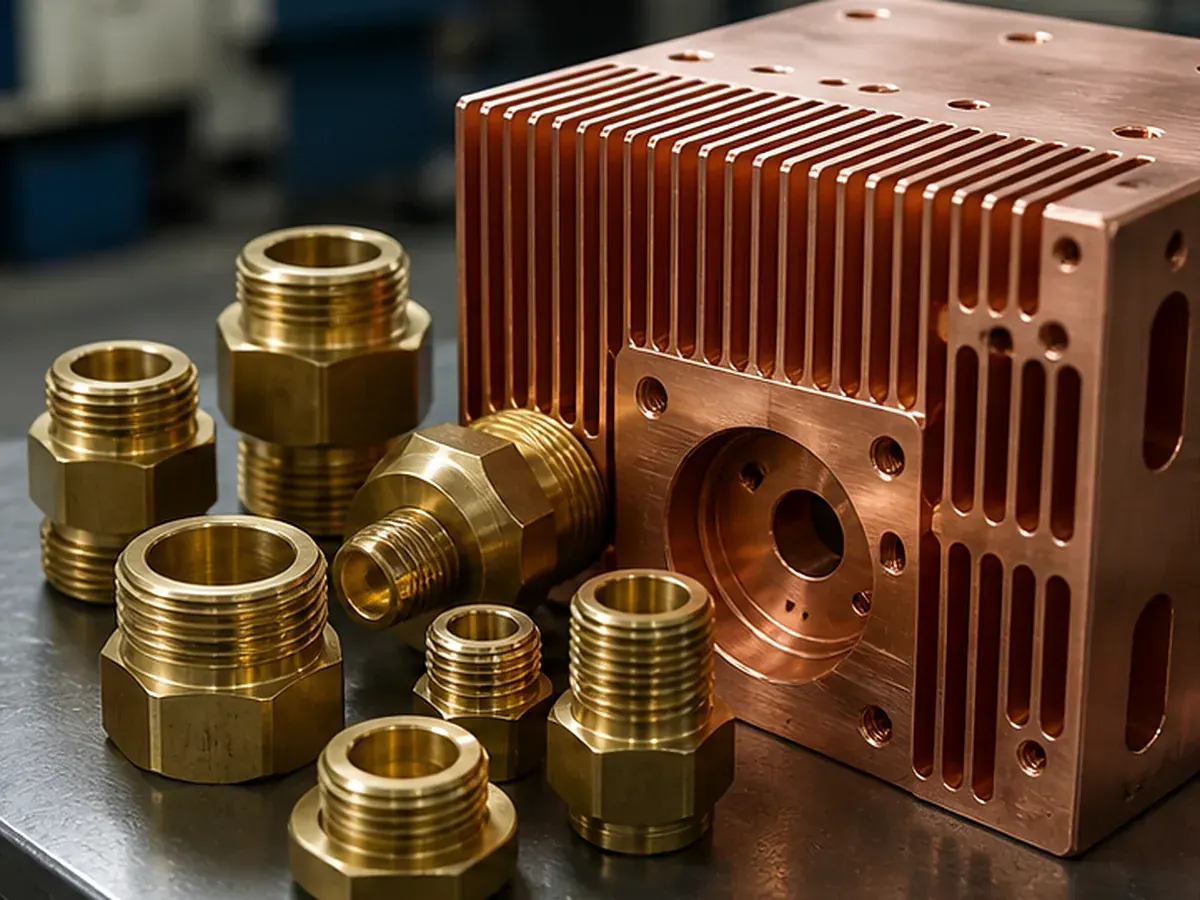
Typical Reasons to Select C360
- Efficient turning and milling of detailed features
- Threads, fittings, connectors and small precision parts
- Good general appearance and polishing options
- Applications where brass friction and corrosion behavior is suitable
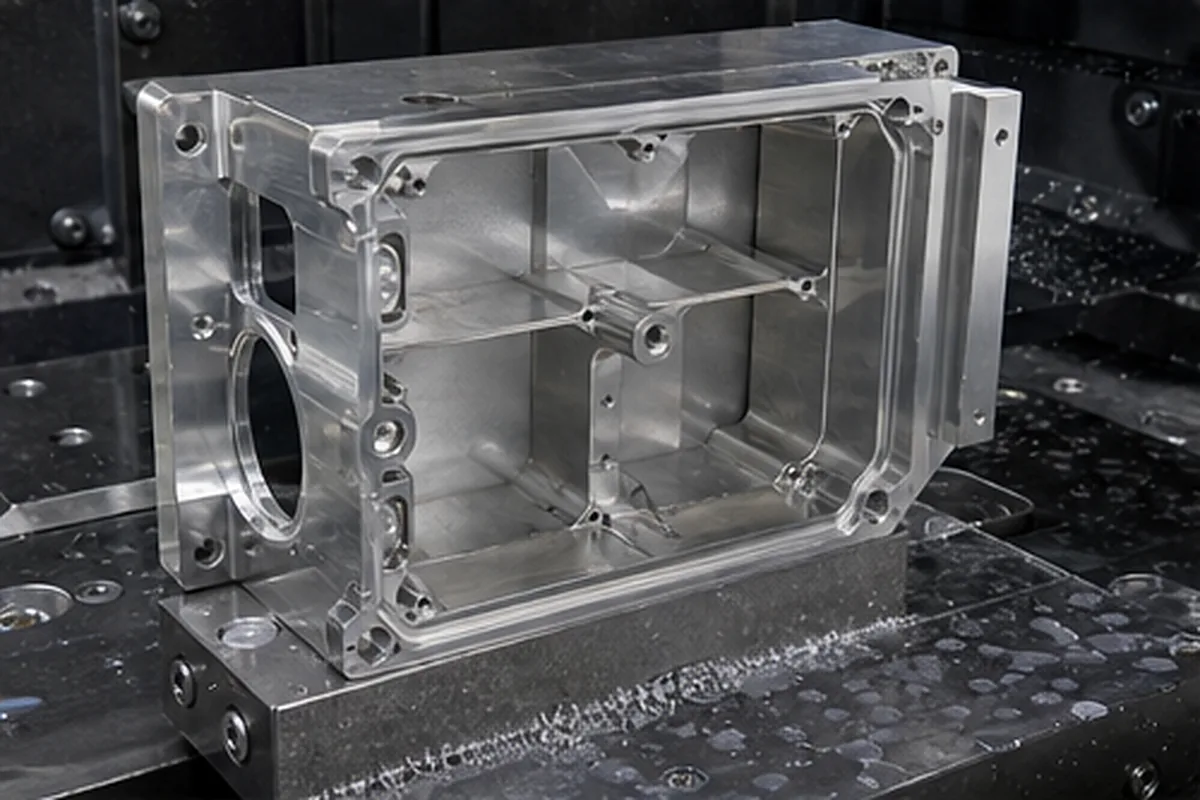
Compliance Comes Before Substitution
C360 is a leaded free-machining brass. If RoHS, REACH, potable-water, food-contact or customer restricted-substance requirements apply, provide the exact specification before quotation. A lower-lead or lead-free alloy may be required and may machine differently.
Design and Inspection
Define thread class, sealing geometry, bore finish, burr limits and cosmetic surfaces. Thin sections can still deform, while aggressive deburring may change edges. Functional gauges and dimensional checks should match the actual fit requirement.
Finishing
C360 may be supplied as-machined, polished, brushed, plated or marked depending on the application. Plating changes dimensions and may affect threads, electrical contact and appearance. Specify mask and thickness requirements early.
When Another Copper Alloy May Be Better
Choose copper where conductivity dominates, bronze where wear or bearing behavior is central, or a compliant lead-free brass where restricted-substance rules apply. Formexi can compare manufacturability but the customer approves the application material.
Standards and Regulatory Sources Used on This Page
For C360 Brass CNC Machining for Detailed Turned and Milled Parts, these primary sources define the scope of cited standards or regulations. They do not prove Formexi certification, a customer approval or project compliance; those require current, scope-matched records.
What Our Project Review Resolves Before Quoting C360 Brass CNC Machining for Detailed Turned and Milled Parts
The purchasing issue behind C360 Brass CNC Machining for Detailed Turned and Milled Parts is that copper-alloy parts may combine burr-prone edges, soft cosmetic surfaces, thermal or electrical function and alloy-specific stock behavior; as a result, using a family name instead of the exact grade can change machinability, conductivity, fit and delivered cost. Our response is to confirms alloy and stock form, protects functional and cosmetic faces, plans burr access, and links coating or oxidation control to the final inspection condition. The objective is to protect assembly and validation schedules while reducing preventable scrap, rework and supplier-change risk.
For the C360 Brass CNC Machining for Detailed Turned and Milled Parts buying decision, before we confirm price or delivery, the buyer should send the exact alloy and standard, conductivity or wear function, mating fit, critical edges, finish, certificate, packaging and quantity. If a requirement cannot yet be verified, we keep it as an open condition instead of presenting it as a guaranteed result.
Specify C360 Brass CNC Machining for Detailed Turned and Milled Parts Before Quotation
For C360 Brass CNC Machining for Detailed Turned and Milled Parts, state the exact material designation, governing standard and condition or temper; the family name alone is not enough. Include stock form, hardness or heat-treatment state, certificate and lot-traceability needs, and whether substitutions require written approval.
- Provide the controlling 2D drawing, 3D CAD model, part number and revision.
- Identify functional dimensions, datum-based GD&T, threads and surface-roughness locations.
- Define heat treatment, finish specification, masking, dimensional compensation and appearance zones.
- State prototype quantity, annual demand, inspection records, packaging, destination, target date, NDA needs and the DFM changes the buyer may consider.
Use the complete CNC RFQ checklist before requesting price and lead time.
Confirm C360 and Compliance Together
Provide the governing alloy standard, restricted-substance requirements, finish and quantity.