

C110 Copper
C110 Copper CNC Machining for Electrical and Thermal Components
C110 copper is commonly evaluated for busbars, contacts, heat-transfer parts and conductive components. Its conductivity is valuable, but its softness and ductility can increase burrs, built-up edge, surface marking and workholding difficulty compared with free-machining brass.
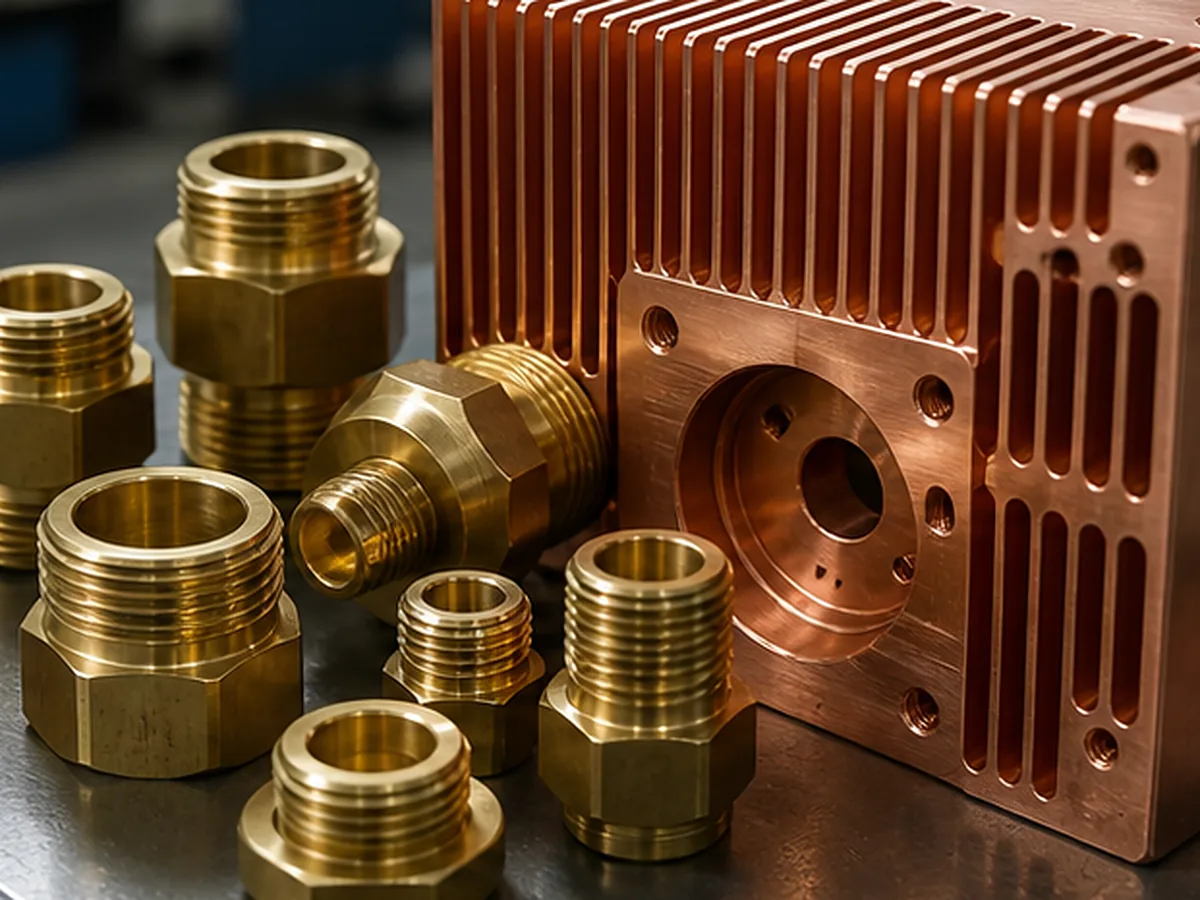
When C110 May Be Appropriate
- Electrical current paths and grounding components
- Heat spreaders and thermal-transfer parts
- Conductive contacts, terminals and busbar features
- Parts requiring copper-specific plating or joining
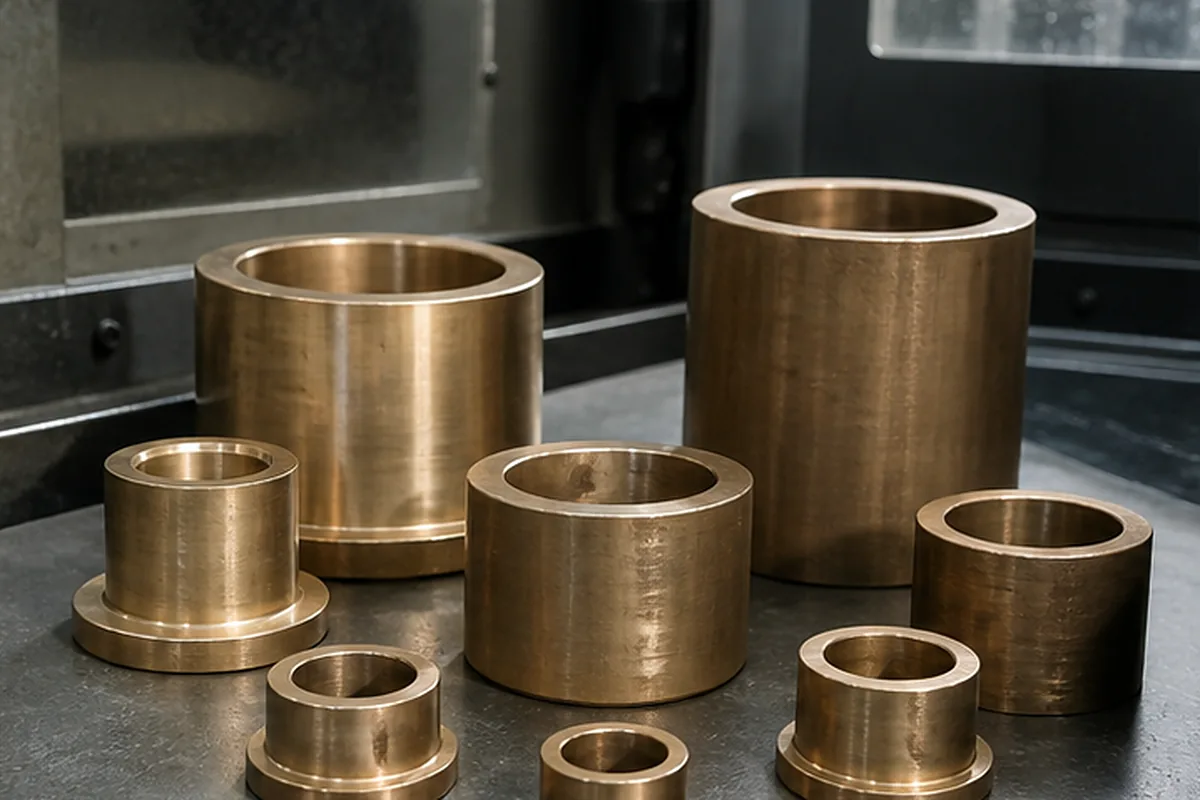
Machining Risks
| Risk | Why it matters |
|---|---|
| Built-up edge | Can affect finish and tool life. |
| Burr formation | Can interfere with electrical contact and assembly. |
| Soft-surface marking | Clamping and handling can damage cosmetic/contact areas. |
| Thin-section deformation | Workholding and heat can move the part. |
| High material cost | Stock yield and scrap control affect total price. |
Electrical and Thermal Requirements
Specify conductivity or governing material standard where function depends on it. Surface flatness, roughness, oxidation, plating and joint pressure may matter as much as bulk conductivity. Formexi does not infer electrical performance from the alloy name alone.
Finishing and Protection
Options may include as-machined, polishing, nickel/tin or other specified plating, protective packaging and marking. Contact areas and mask zones should be identified. Plating thickness must be included in mating dimensions.
Documentation
Request the exact grade, product form, material certificate and restricted-substance documentation before ordering. If oxygen content or high-purity conductivity is critical, compare C101 or another specified grade rather than assuming C110 is equivalent.
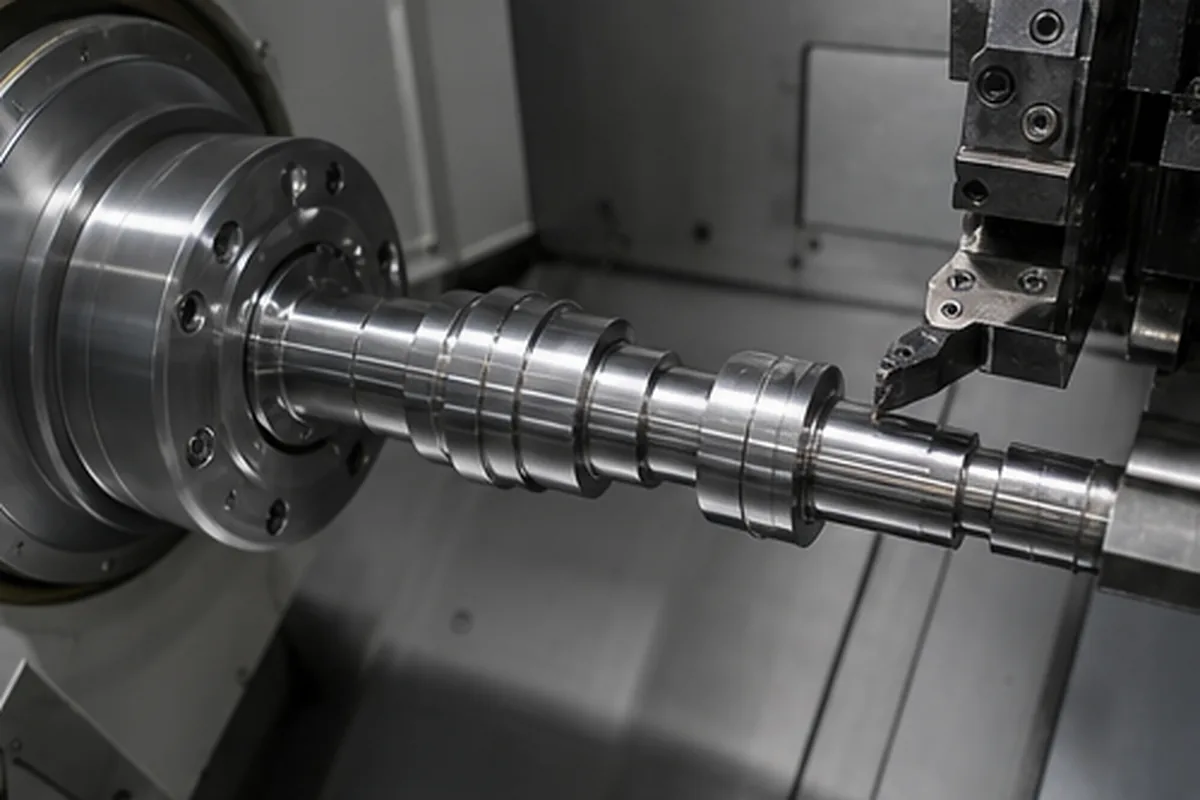
From C110 Copper CNC Machining for Electrical and Thermal Components Requirements to a Controlled Manufacturing Plan
A useful supplier solution for C110 Copper CNC Machining for Electrical and Thermal Components starts when copper-alloy parts may combine burr-prone edges, soft cosmetic surfaces, thermal or electrical function and alloy-specific stock behavior. Because using a family name instead of the exact grade can change machinability, conductivity, fit and delivered cost, our project review confirms alloy and stock form, protects functional and cosmetic faces, plans burr access, and links coating or oxidation control to the final inspection condition. That approach helps the buyer avoid paying for the wrong process and lowers the chance of discovering a critical issue after machining or finishing.
For the C110 Copper CNC Machining for Electrical and Thermal Components buying decision, our review needs the exact alloy and standard, conductivity or wear function, mating fit, critical edges, finish, certificate, packaging and quantity. We record assumptions, approval points and evidence requirements before the quotation becomes the production baseline.
Specify C110 Copper CNC Machining for Electrical and Thermal Components Before Quotation
For C110 Copper CNC Machining for Electrical and Thermal Components, state the exact material designation, governing standard and condition or temper; the family name alone is not enough. Include stock form, hardness or heat-treatment state, certificate and lot-traceability needs, and whether substitutions require written approval.
- Provide the controlling 2D drawing, 3D CAD model, part number and revision.
- Identify functional dimensions, datum-based GD&T, threads and surface-roughness locations.
- Define heat treatment, finish specification, masking, dimensional compensation and appearance zones.
- State prototype quantity, annual demand, inspection records, packaging, destination, target date, NDA needs and the DFM changes the buyer may consider.
Use the complete CNC RFQ checklist before requesting price and lead time.
Quote the Conductive Function, Not Only the Shape
Provide current, heat, contact surface, finish, material standard and dimensional requirements.