

Supplier Transfer
How to Transfer CNC Parts to a New Supplier
Transfer a CNC part using a controlled technical package, validated sample, process and inspection requirements, known failure history, approved deviations and a staged qualification order. Do not expect a new supplier to reproduce undocumented tribal knowledge from the previous source.
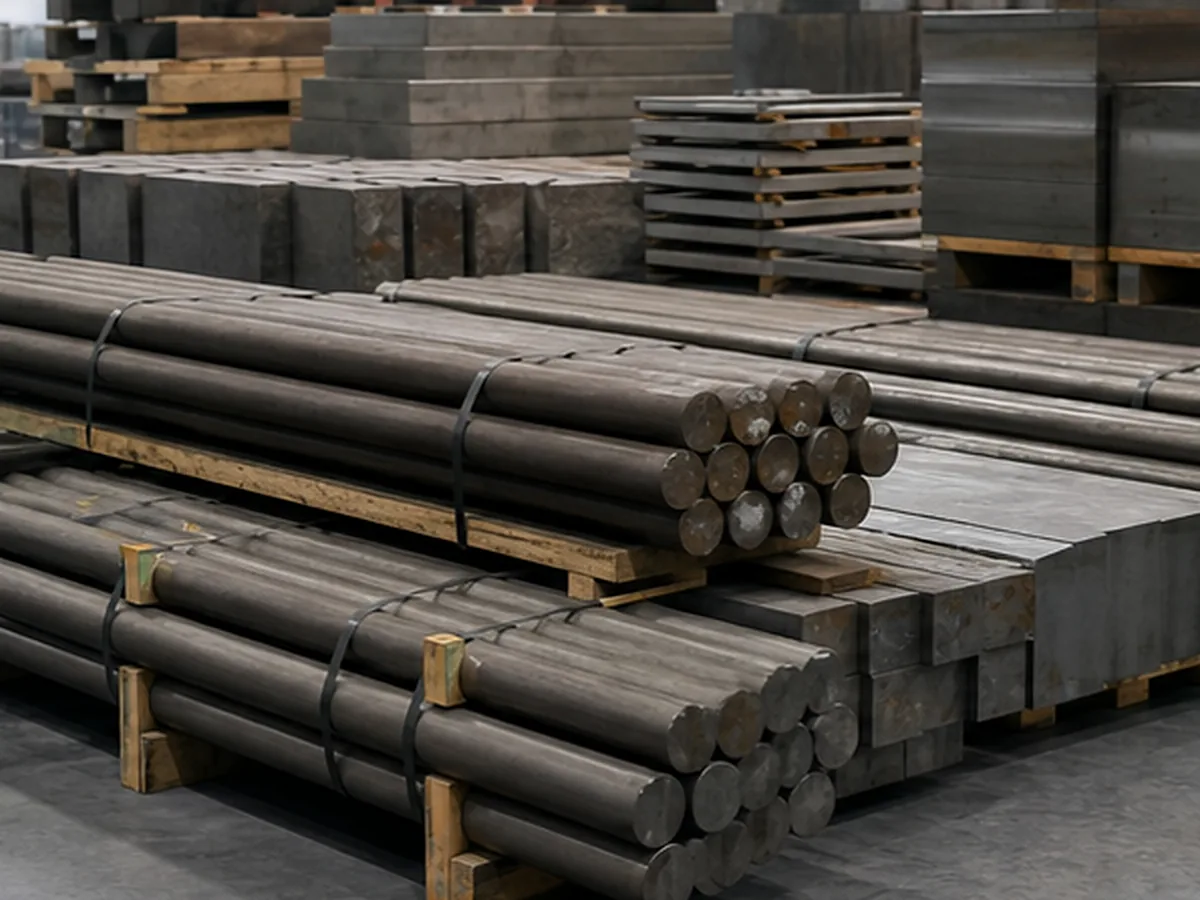
Recommended Control Sequence
- Release current CAD, drawing, BOM and specifications.
- Document critical functions, mating interfaces and acceptance methods.
- Provide approved samples only with their revision and deviation status.
- Share known distortion, finishing, packaging and inspection risks.
- Run FAI and a representative pilot before production transfer.
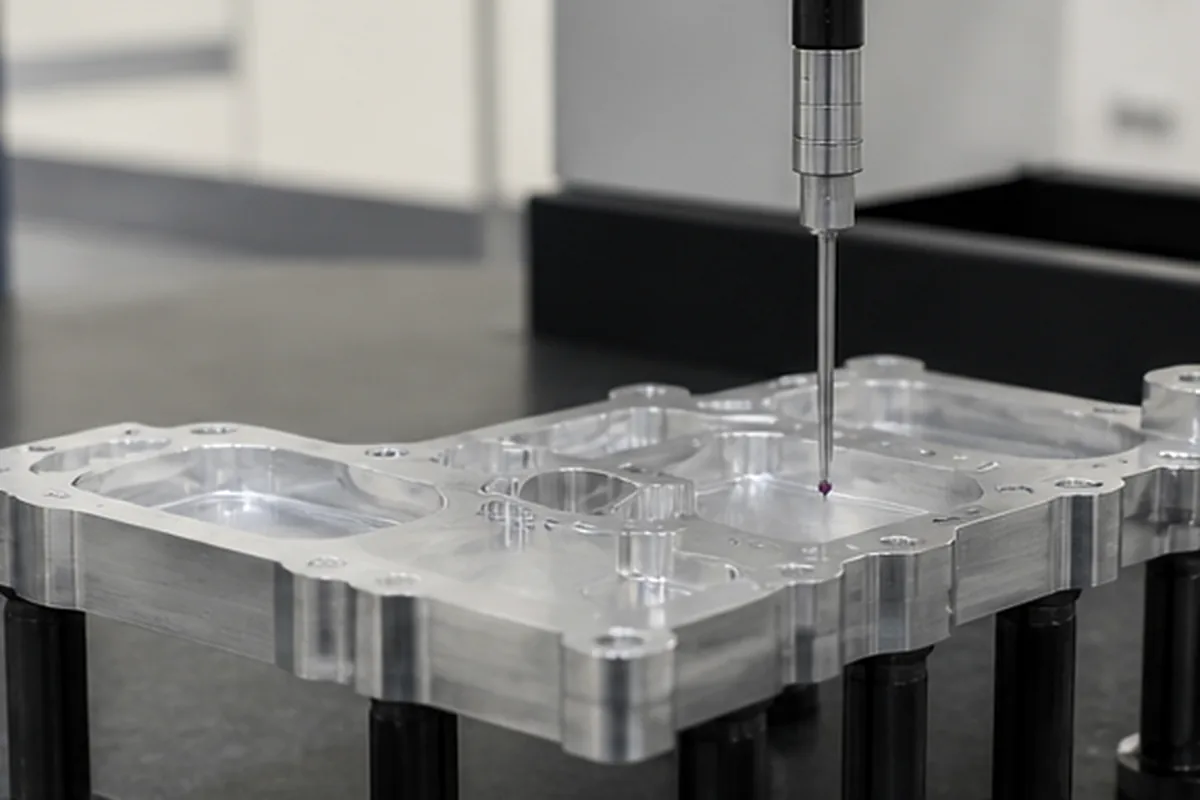
Buyer, Supplier and Design Authority Responsibilities
For Transfer CNC Parts to a New Supplier, the buyer controls the purchase requirement and approval route, the supplier controls the proposed manufacturing and inspection process, and design authority approves departures that affect function. Define responsible names, response times and approval records before work starts.
Common Failure Modes
- Reverse-engineering an old part without design authority
- Copying an obsolete supplier method unnecessarily
- Hiding previous failures from the new source
- Ending the old source before the new route is validated
Questions to Resolve in Writing
- Which characteristics require correlation?
- Can existing tooling transfer, and who owns it?
- What documents define the approved state?
- Is dual supply needed during transition?
Evidence to Retain
Retain the controlled revision, quotation and purchase order, technical questions, approvals, inspection records, certificates, packaging release and shipment identity. The evidence depth should match part risk and contractual requirements.
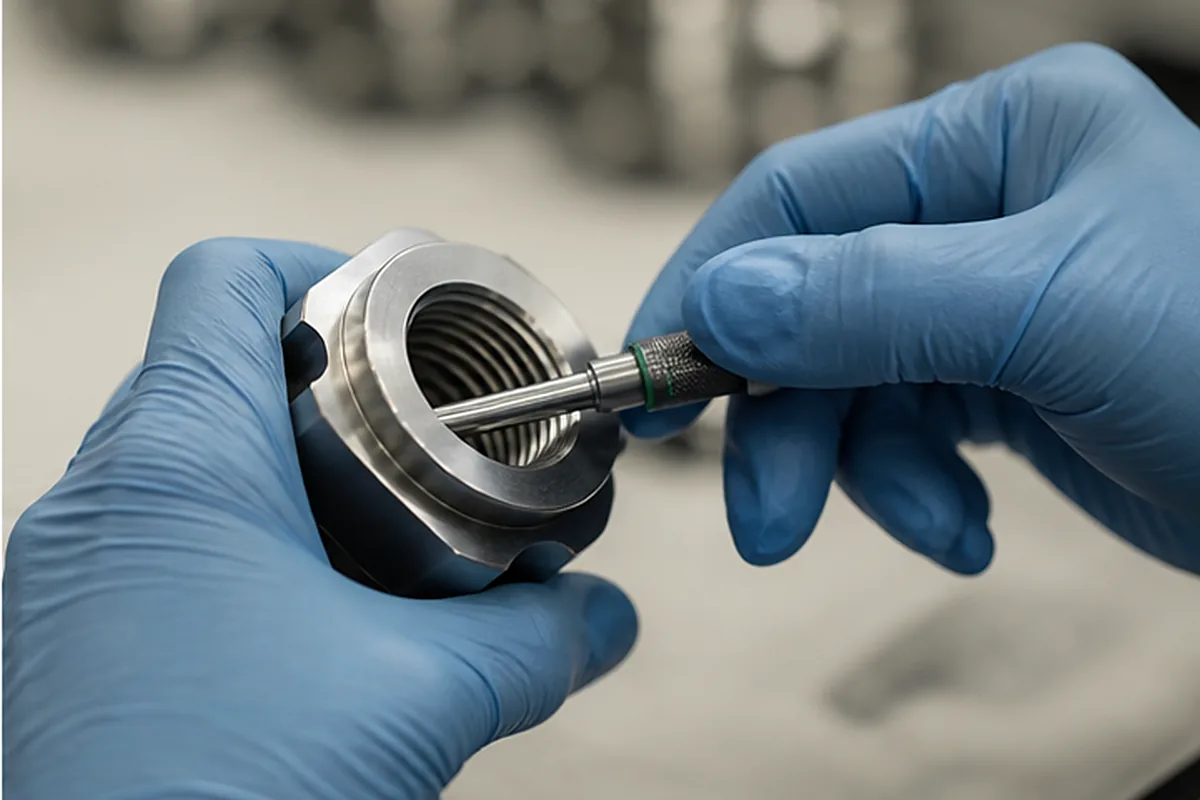
How We Reduce Sourcing and Manufacturing Risk for How to Transfer CNC Parts to a New Supplier
A useful supplier solution for How to Transfer CNC Parts to a New Supplier starts when an incomplete RFQ or an unclear approval route makes price and delivery comparisons unreliable. Because late material, drawing, finish or inspection changes can create re-quotation, idle time and missed project dates, our project review separates material, programming, workholding, machining, external processing, inspection, approval and logistics dependencies before confirming the commercial plan. That approach helps the buyer avoid paying for the wrong process and lowers the chance of discovering a critical issue after machining or finishing.
For the How to Transfer CNC Parts to a New Supplier buying decision, our review needs controlled files and revision, exact material, prototype and annual quantity, target date, quality documents, packaging, destination and acceptable DFM changes. We record assumptions, approval points and evidence requirements before the quotation becomes the production baseline.
Apply Transfer CNC Parts to a New Supplier to the Buyer Decision
For Transfer CNC Parts to a New Supplier, use the controlling 2D drawing and 3D model to define part number and revision, material and condition, quantity and annual demand, critical tolerances and GD&T, roughness, heat treatment, surface finish, inspection documents, packaging, delivery address and target date. Identify confidentiality restrictions and which DFM changes may be considered for this part.
Price and lead time can be confirmed only after geometry, material availability, programming, workholding, external processes, inspection effort, first-article approval and logistics are reviewed together.
Check the complete RFQ inputs before supplier comparison.