

Finish Drawing Requirements
How to Specify Surface Finish on a CNC Drawing
A complete CNC drawing should state the finishing process and governing specification, substrate condition, thickness or class, color/texture, surface preparation, masking, post-finish dimensions, inspection tests, certificates and cosmetic zones. Put feature-specific requirements at the feature and use general notes only where they genuinely apply to the whole part.
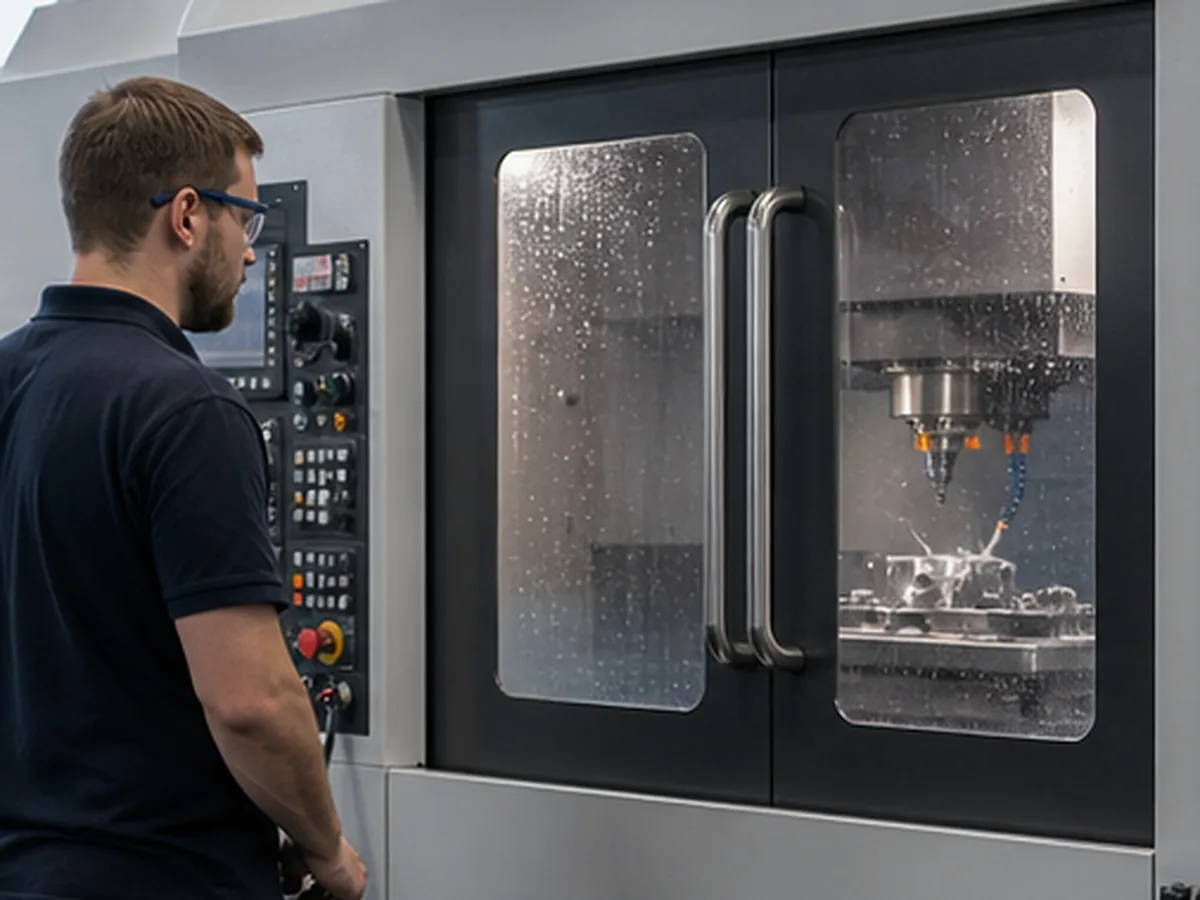
Eight Items a Finish Callout May Need
- Process: anodize, plating, passivation, paint, powder coat or other route.
- Specification: current standard, type, class or method.
- Thickness: required range and measurement locations.
- Appearance: color, gloss, texture and approved sample.
- Preparation: as-machined, blast, polish or brush direction.
- Masking: dimensions or controlled map of excluded surfaces.
- Final requirements: dimensions, roughness, threads and conductivity after finish.
- Evidence: certificates, tests, sampling and report format.
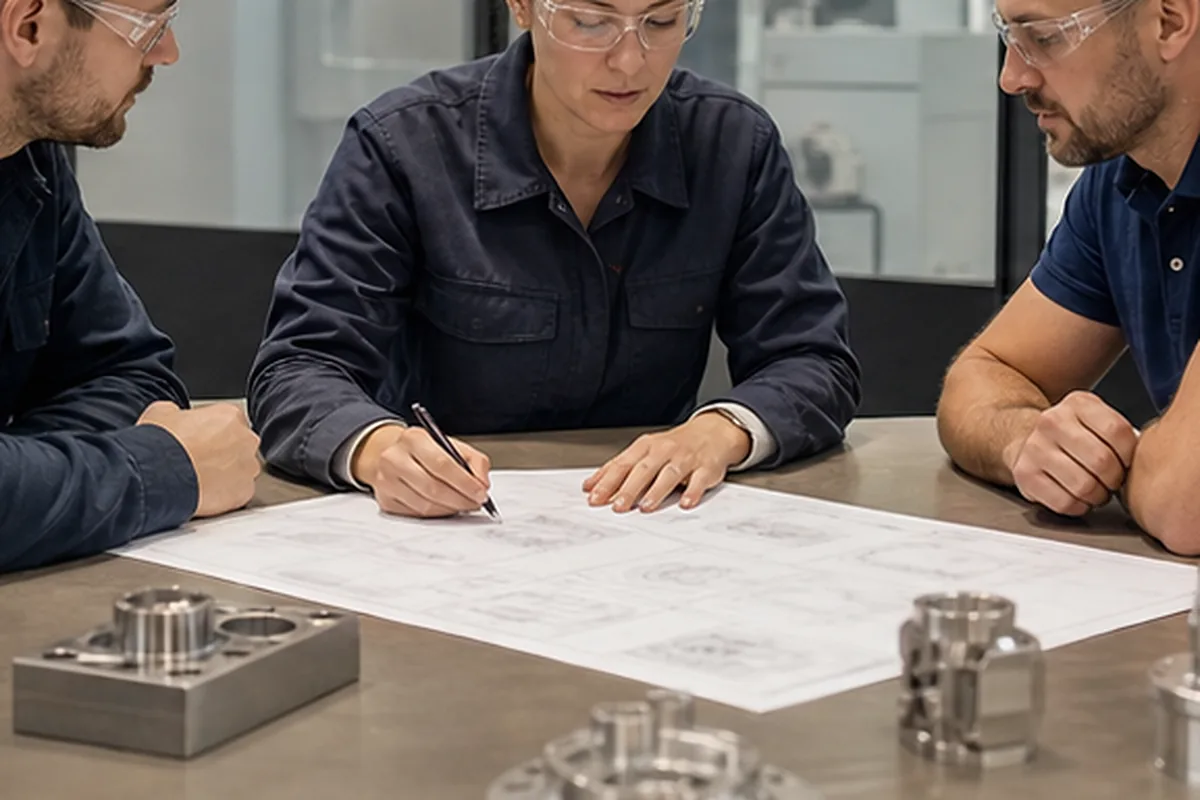
Match the Callout to the Surface
| Surface type | Typical requirement | Common mistake |
|---|---|---|
| Bearing/locating fit | Final size and masking/allowance | Coating applied with no fit analysis |
| Thread | Mask, compensate or gauge after finish | Thread treatment unstated |
| Sealing face | Roughness, flatness and finish exclusion if needed | Decorative requirement overrides seal |
| Grounding pad | Coating-free zone and electrical test | Insulating finish applied everywhere |
| Cosmetic face | Preparation, color and viewing criteria | “No scratches” without a standard |
| Hidden face | Functional protection only | Unnecessary A-surface quality |
State Whether Dimensions Apply Before or After Finish
Do not leave the supplier to assume. Deposited and conversion coatings affect sizes differently, and polishing or blasting can remove material. Identify final delivered dimensions and any in-process values needed to control them.
Use a Separate Masking Detail When Needed
Complex boundaries are clearer on an enlarged view or controlled masking model. Dimension from stable datums, define transition tolerance and identify permissible rack/contact points. Avoid relying on a marked-up screenshot without revision control.
Do Not Mix Conflicting Requirements
- Fine Ra under aggressive blasting
- Coating everywhere plus conductive grounding zone
- Sharp edge plus mandatory edge break
- Final bore size with no allowance or masking decision
- Color match across different alloys without limits
- General finish note conflicting with local callout
Release Review
Have machining, finishing, inspection and design functions review the same drawing. Confirm the selected processor can meet the standard and report before the purchase order is released. Supplier capability and finish availability remain project-specific.
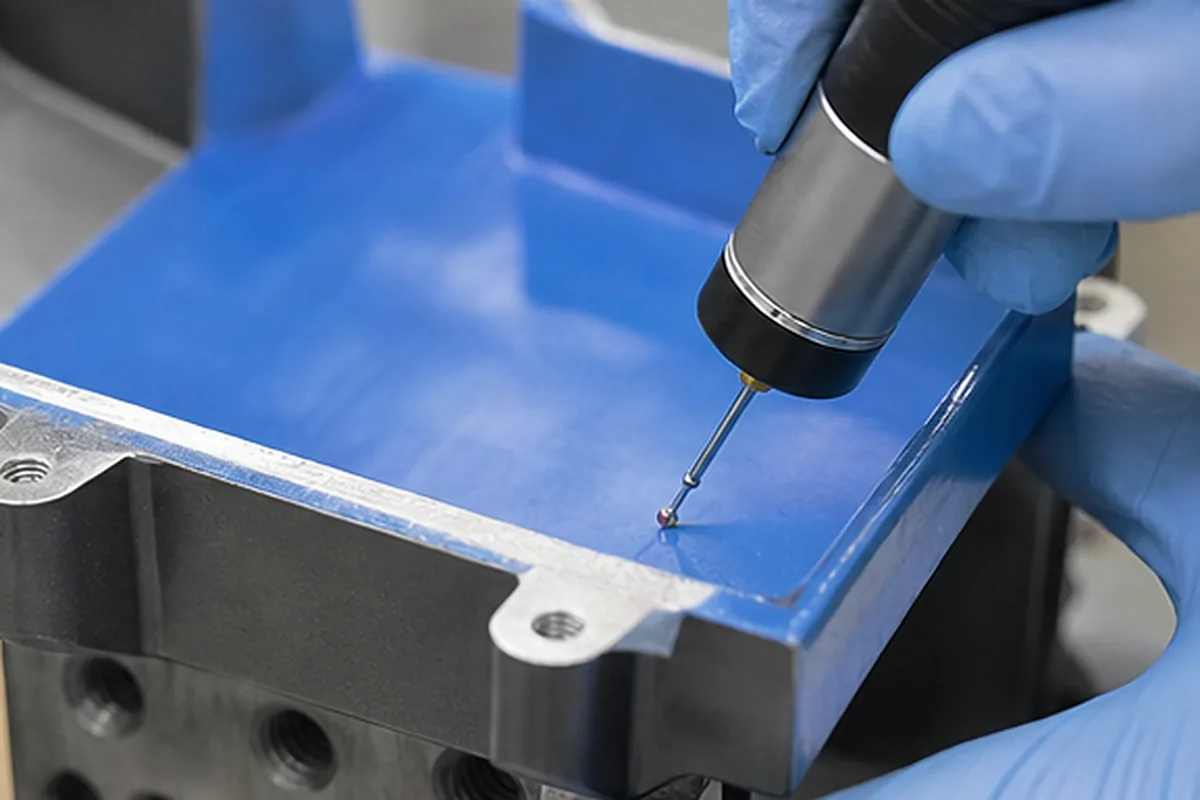
What Our Project Review Resolves Before Quoting How to Specify Surface Finish on a CNC Drawing
A useful supplier solution for How to Specify Surface Finish on a CNC Drawing starts when a finish can change dimensions, hide burrs, create color variation or damage cosmetic and sealing surfaces. Because late finish decisions can turn acceptable machined parts into rejected final parts, our project review coordinates machining allowance, pretreatment, masking, rack-contact location, thread and fit protection, handling and post-process inspection as one route. That approach helps the buyer avoid paying for the wrong process and lowers the chance of discovering a critical issue after machining or finishing.
For the How to Specify Surface Finish on a CNC Drawing buying decision, our review needs base material, process type/class, thickness, color or texture sample, masks, critical post-finish dimensions, tests and packaging. We record assumptions, approval points and evidence requirements before the quotation becomes the production baseline.