

Material Traceability
How to Read a Material Test Certificate for CNC Parts
Read a material test certificate by matching supplier, material designation, specification, heat or lot, product form, dimensions, chemical results, mechanical results and approval to the received stock. A certificate is useful only when it is authentic, applicable and traceable to the manufactured parts.
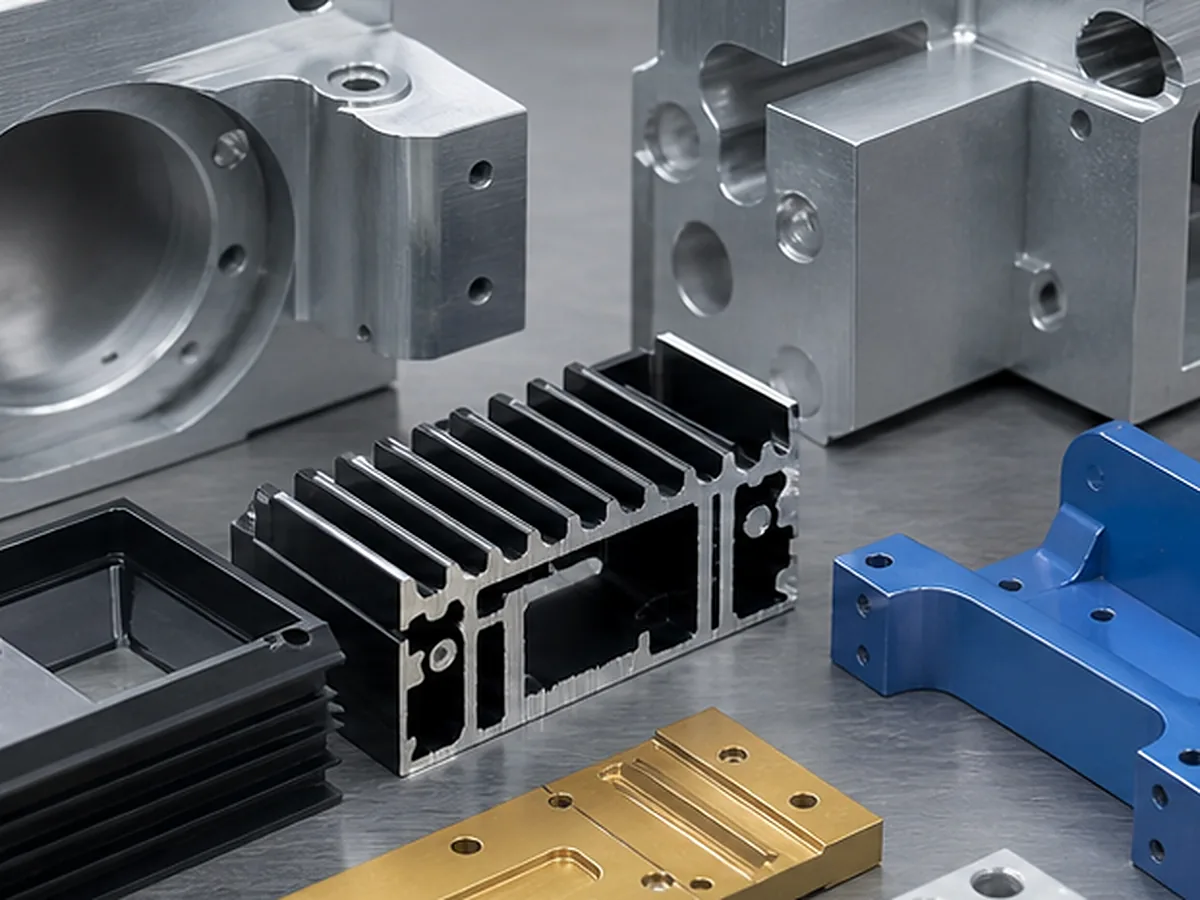
Match Grade, Standard, Product Form and Heat Lot
- Match part requirement to certificate standard and grade.
- Check heat/lot identity and product form.
- Compare chemistry and mechanical results with required limits.
- Review test condition, units and authorized approval.
- Maintain traceability from stock receipt through shipment.
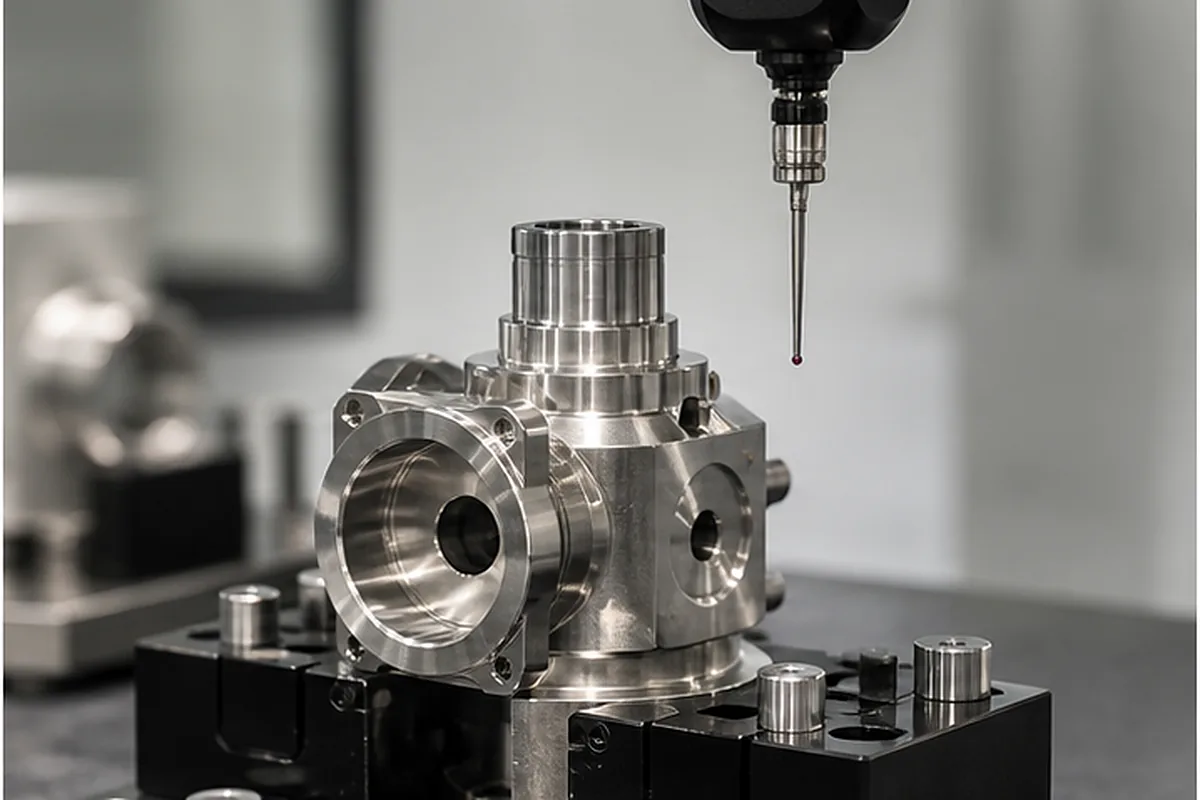
Reject Certificates That Do Not Match the Delivered Material
- Certificate for the right grade but wrong lot
- Mill certificate copied without stock identity
- Mechanical data from a different product form or condition
- Edited certificate or missing page
Information Required for a Useful Quote
Provide the exact material grade, condition, governing standard, permitted product form, certificate/traceability needs, quantity, geometry, final finish and service constraints. Availability and machining route remain subject to project review.
Validation Boundary
Published property values are screening information and vary by grade, form, test condition and supplier. The buyer must validate the final material against the product’s load, environment and compliance requirements.
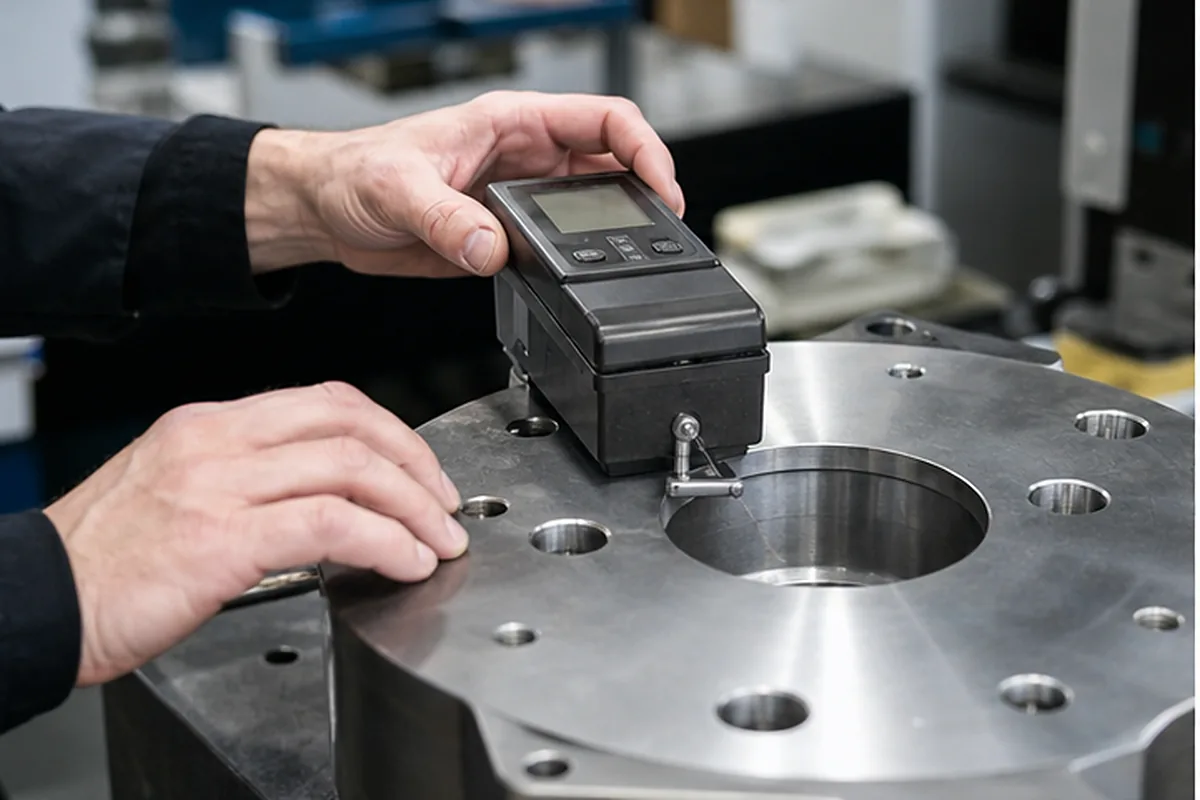
How We Reduce Sourcing and Manufacturing Risk for How to Read a Material Test Certificate for CNC Parts
The purchasing issue behind How to Read a Material Test Certificate for CNC Parts is that buyers need evidence that the correct revision, material and critical dimensions were accepted—not only a list of measuring equipment; as a result, missing methods, sampling rules or lot identity can make a report unusable during assembly or supplier approval. Our response is to defines the first-piece, in-process and final checks by feature risk, then aligns equipment access, frequency, actual-value records and nonconformance reaction. The objective is to protect assembly and validation schedules while reducing preventable scrap, rework and supplier-change risk.
For the How to Read a Material Test Certificate for CNC Parts buying decision, before we confirm price or delivery, the buyer should send the ballooned drawing, critical-characteristic list, lot and revision, sampling or full-inspection scope, report format and certificate requirements. If a requirement cannot yet be verified, we keep it as an open condition instead of presenting it as a guaranteed result.
Specify Material Certificate and Traceability Requirements Before Quotation
For Read a Material Test Certificate for CNC Parts, state the exact material designation, governing standard and condition or temper; the family name alone is not enough. Include stock form, hardness or heat-treatment state, certificate and lot-traceability needs, and whether substitutions require written approval.
- Provide the controlling 2D drawing, 3D CAD model, part number and revision.
- Identify functional dimensions, datum-based GD&T, threads and surface-roughness locations.
- Define heat treatment, finish specification, masking, dimensional compensation and appearance zones.
- State prototype quantity, annual demand, inspection records, packaging, destination, target date, NDA needs and the DFM changes the buyer may consider.
Use the complete CNC RFQ checklist before requesting price and lead time.