

Post-Finish Dimensions
How Surface Treatment Affects CNC Part Dimensions
Use the specified surface-treatment type, thickness or conversion behavior and preparation sequence to predict its dimensional effect on CNC parts. Review bores, shafts, threads, fits, datums and masking transitions individually, and state whether each drawing dimension applies before or after treatment.
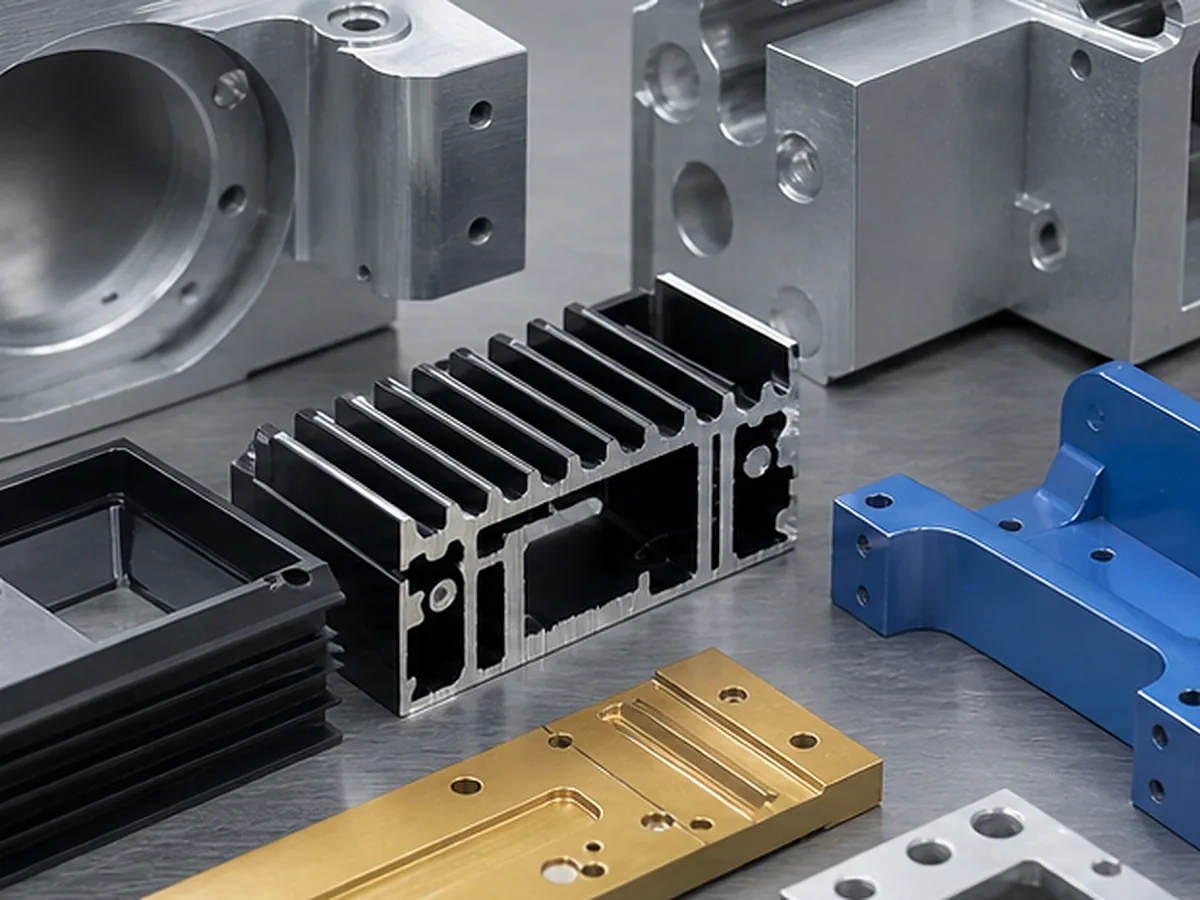
Different Finishes Change Geometry in Different Ways
| Finish family | Dimensional mechanism | Critical questions |
|---|---|---|
| Anodizing | Converts aluminum and builds partly outward | Type, thickness, masked fits and threads |
| Electro/electroless plating | Deposits material; distribution may vary | Thickness range and feature geometry |
| Paint/powder coat | Adds a comparatively thick organic layer | Fits, grounding, threads and edge buildup |
| Conversion coating/passivation | Usually smaller dimensional effect | Specification and functional interface |
| Blasting/polishing | Changes texture and may remove/round material | Datum and sharp-edge protection |
| Heat treatment | Can distort shape without adding coating | Final machining and stabilization route |

Calculate the Interface, Not Just “Thickness Per Side”
For a deposited layer, a shaft diameter can increase on two opposing surfaces while a bore diameter decreases. Real buildup may depend on geometry and process distribution, and conversion coatings do not follow a simple deposited-layer model. Use the processor’s controlled specification and tolerance, not a generic internet value.
Choose a Control Strategy
- Mask the feature: protects a fit or conductive surface but adds labor and transition risk.
- Pre-compensate machining: sizes the feature for expected buildup but requires a stable process.
- Finish machine afterward: restores size but removes coating locally.
- Change the fit allowance: may work when design authority approves the final functional limits.
- Use plugs or thread protection: requires clear location and acceptance definition.
Drawing Requirements That Prevent Disputes
- State finish specification, type and thickness range.
- Mark all masked and coating-free surfaces.
- Identify dimensions controlled after finish.
- Define thread treatment and post-finish gauge requirement.
- Specify conductivity, sealing or grounding areas.
- Define inspection method at masking transitions.
- Require certificates or thickness reports in the RFQ.
Inspect Before and After When the Risk Justifies It
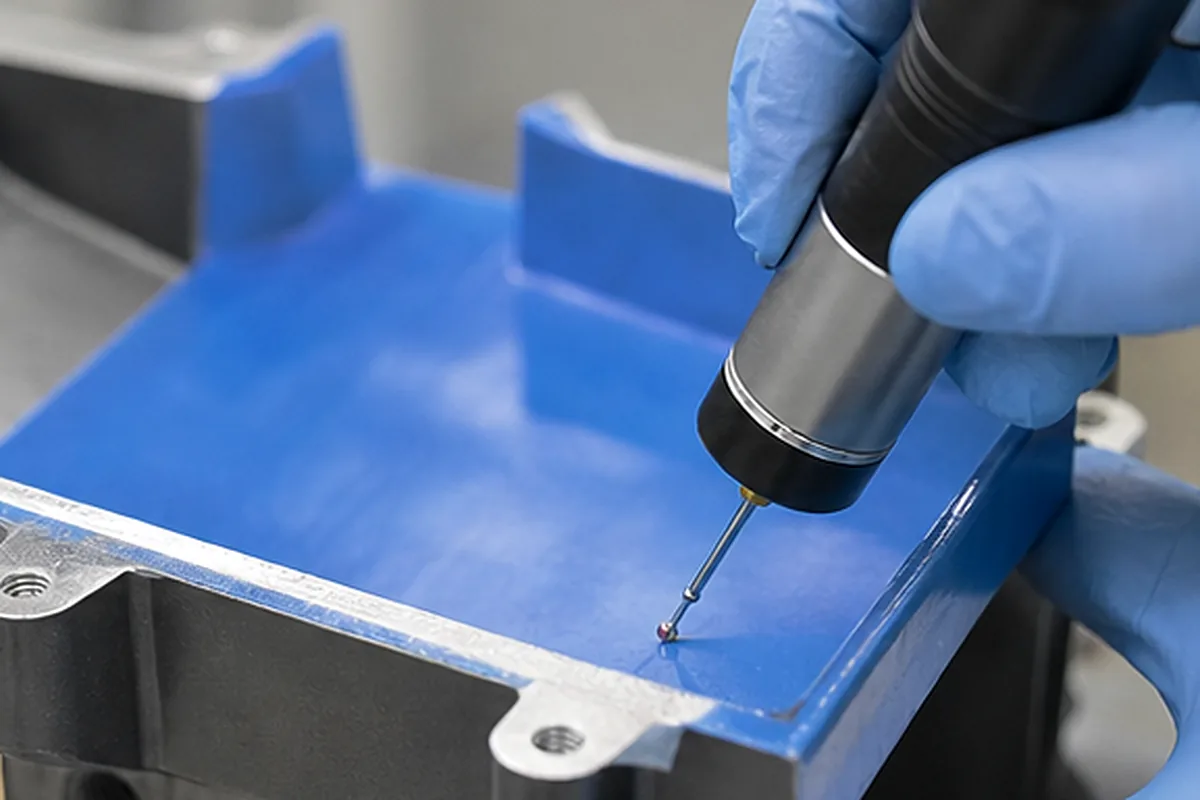
Pre-finish data shows whether machining left adequate allowance; post-finish data confirms the delivered interface. Maintain feature identity and lot traceability between stages. For tight fits, agree on coating-thickness measurement and dimensional method before production.
Common Costly Mistakes
- Applying final drawing limits to both pre- and post-finish conditions
- Requesting masking after the quotation is accepted
- Ignoring coating in internal threads and bearing bores
- Using nominal thickness without accounting for process tolerance
- Reworking coated features without corrosion/performance review
What Our Project Review Resolves Before Quoting How Surface Treatment Affects CNC Part Dimensions
When a finish can change dimensions, hide burrs, create color variation or damage cosmetic and sealing surfaces, late finish decisions can turn acceptable machined parts into rejected final parts. For How Surface Treatment Affects CNC Part Dimensions, our engineering and quotation review coordinates machining allowance, pretreatment, masking, rack-contact location, thread and fit protection, handling and post-process inspection as one route. This helps reduce rework, approval delays and avoidable purchasing cost without turning a screening assumption into a capability guarantee.
For the How Surface Treatment Affects CNC Part Dimensions buying decision, we confirm the route only after reviewing base material, process type/class, thickness, color or texture sample, masks, critical post-finish dimensions, tests and packaging. Any unresolved item is listed as an RFQ clarification so the buyer can compare scope, evidence, price and lead time on the same basis.
Apply How Surface Treatment Affects CNC Part Dimensions to the Buyer Decision
For How Surface Treatment Affects CNC Part Dimensions, use the controlling 2D drawing and 3D model to define part number and revision, material and condition, quantity and annual demand, critical tolerances and GD&T, roughness, heat treatment, surface finish, inspection documents, packaging, delivery address and target date. Identify confidentiality restrictions and which DFM changes may be considered for this part.
Price and lead time can be confirmed only after geometry, material availability, programming, workholding, external processes, inspection effort, first-article approval and logistics are reviewed together.
Check the complete RFQ inputs before supplier comparison.