

Supply Risk
Should You Dual-Source CNC Machined Parts?
Dual sourcing can reduce capacity and disruption risk, but it adds qualification cost, smaller volumes, process variation and change-control work. Use it for parts whose supply risk justifies maintaining two validated routes, and define one common drawing, inspection method and approval standard.
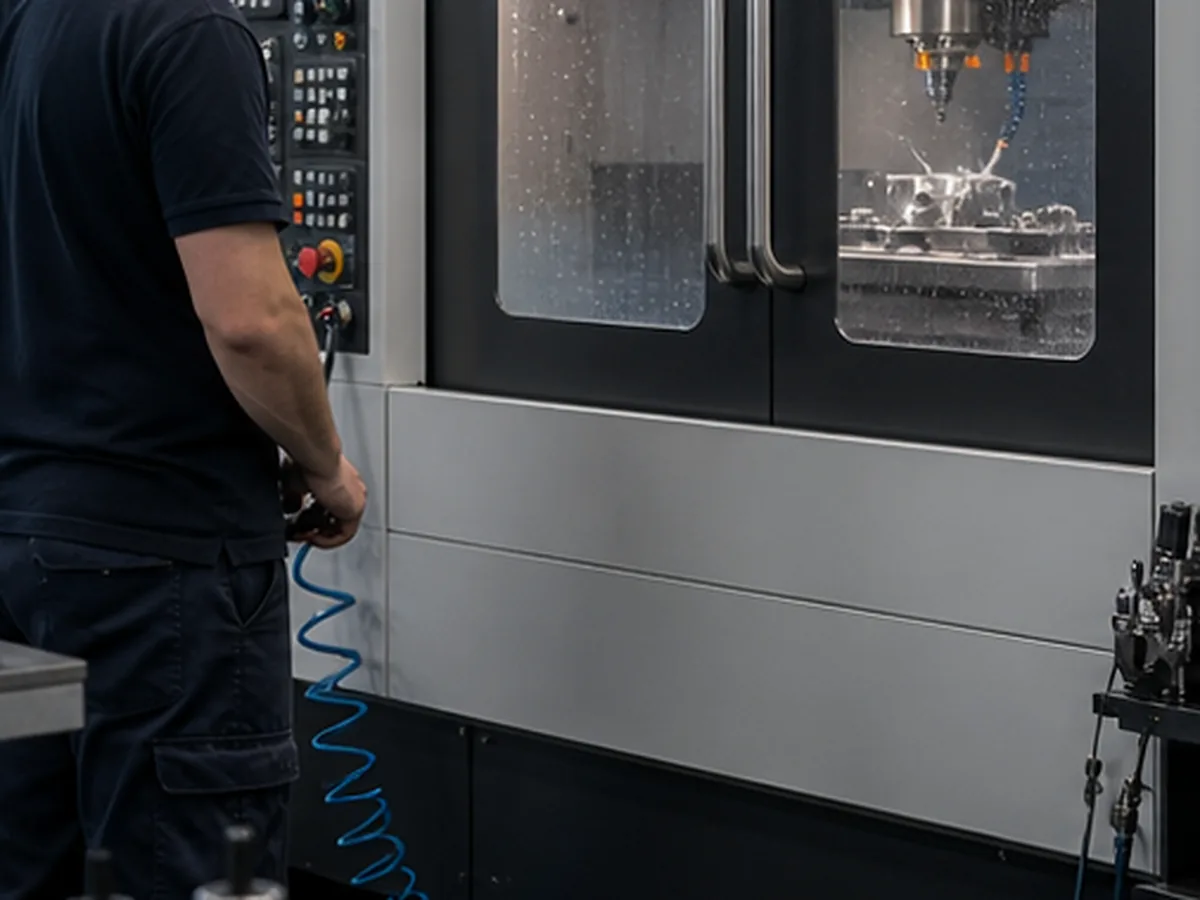
Recommended Control Sequence
- Assess business impact of a supply interruption.
- Qualify both suppliers on representative geometry and finish.
- Correlate inspection methods and datum interpretation.
- Control revisions and deviations through one buyer authority.
- Allocate volume sufficient to keep both routes current.
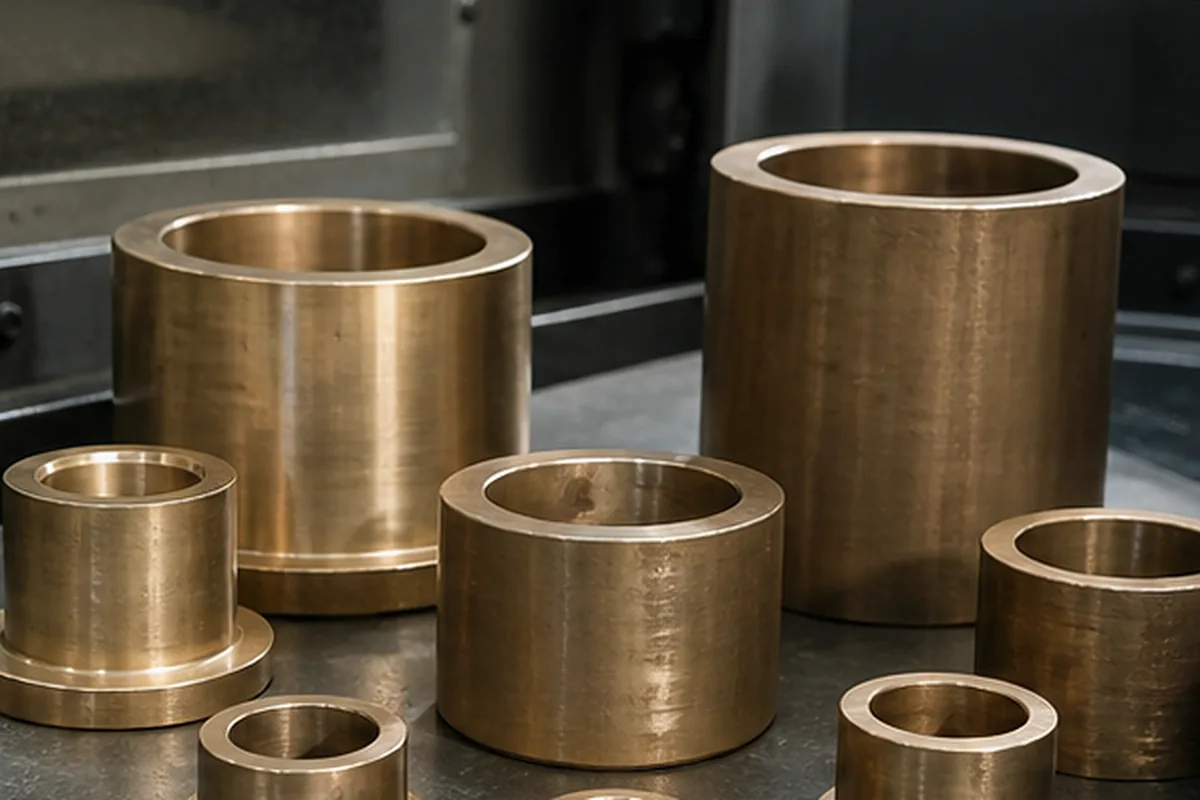
Buyer, Supplier and Design Authority Responsibilities
For Should You Dual-Source CNC Machined Parts, the buyer controls the purchase requirement and approval route, the supplier controls the proposed manufacturing and inspection process, and design authority approves departures that affect function. Define responsible names, response times and approval records before work starts.
Common Failure Modes
- Using a backup supplier that has never made the current revision
- Comparing parts measured by incompatible methods
- Allowing unapproved material or finish differences
- Splitting volume until neither supplier is economical
Questions to Resolve in Writing
- What failure does dual sourcing protect against?
- Can both routes meet the same acceptance standard?
- How will changes reach both suppliers?
- What minimum volume keeps qualification active?
Evidence to Retain
Retain the controlled revision, quotation and purchase order, technical questions, approvals, inspection records, certificates, packaging release and shipment identity. The evidence depth should match part risk and contractual requirements.
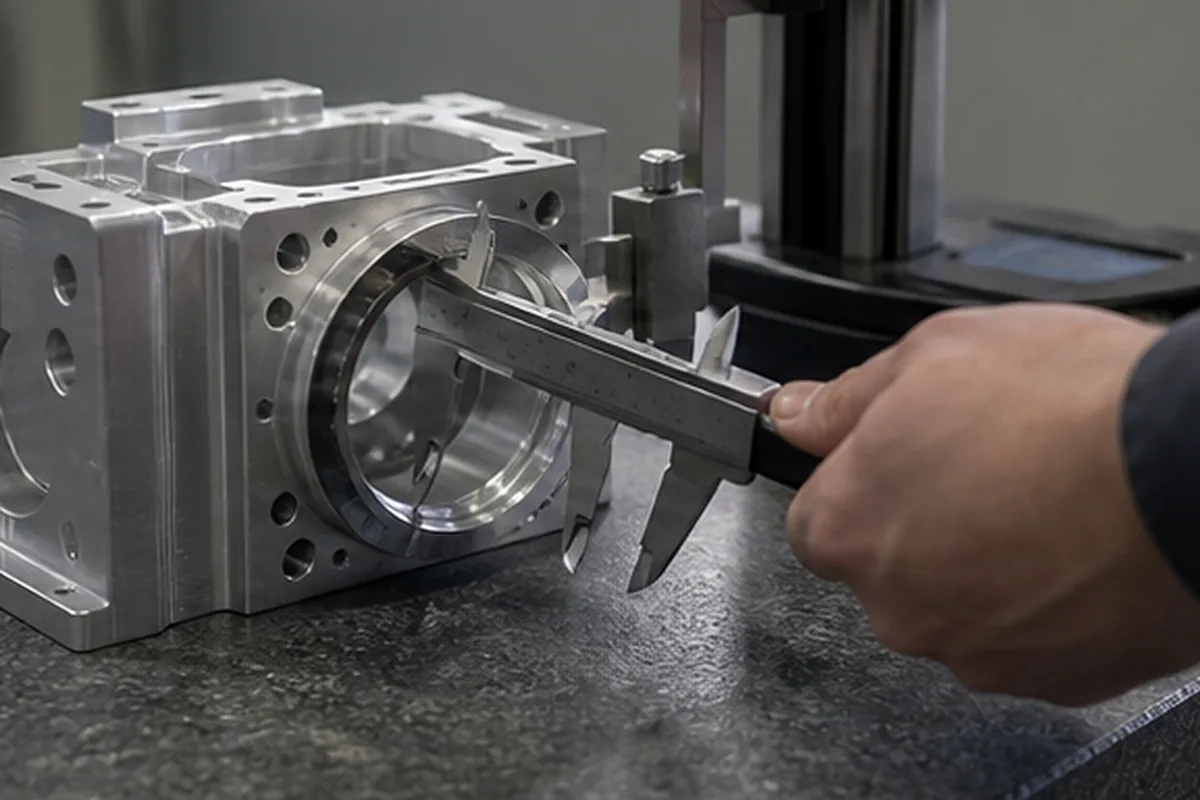
Our Review Method for Should You Dual-Source CNC Machined Parts? Requirements
The purchasing issue behind Should You Dual-Source CNC Machined Parts? is that the buyer needs a supplier response tied to the actual part rather than a generic capability statement; as a result, a broad promise can leave geometry, material, quality, cost and delivery assumptions unresolved. Our response is to turns the drawing and purchase requirement into documented process, inspection and approval questions before price or production is confirmed. The objective is to protect assembly and validation schedules while reducing preventable scrap, rework and supplier-change risk.
For the Should You Dual-Source CNC Machined Parts? buying decision, before we confirm price or delivery, the buyer should send the controlled drawing and model, material, quantities, critical requirements, finish, quality documents, target date, destination and confidentiality needs. If a requirement cannot yet be verified, we keep it as an open condition instead of presenting it as a guaranteed result.