

Supplier Selection
How to Choose a CNC Machining Supplier
Choose a CNC machining supplier by matching verified process capability, engineering communication, inspection control, capacity and commercial terms to your specific parts. Do not select from a generic equipment list or the lowest sample price alone. Use a controlled RFQ, verify evidence, test the supplier on a representative order and define how changes and nonconformances will be handled.
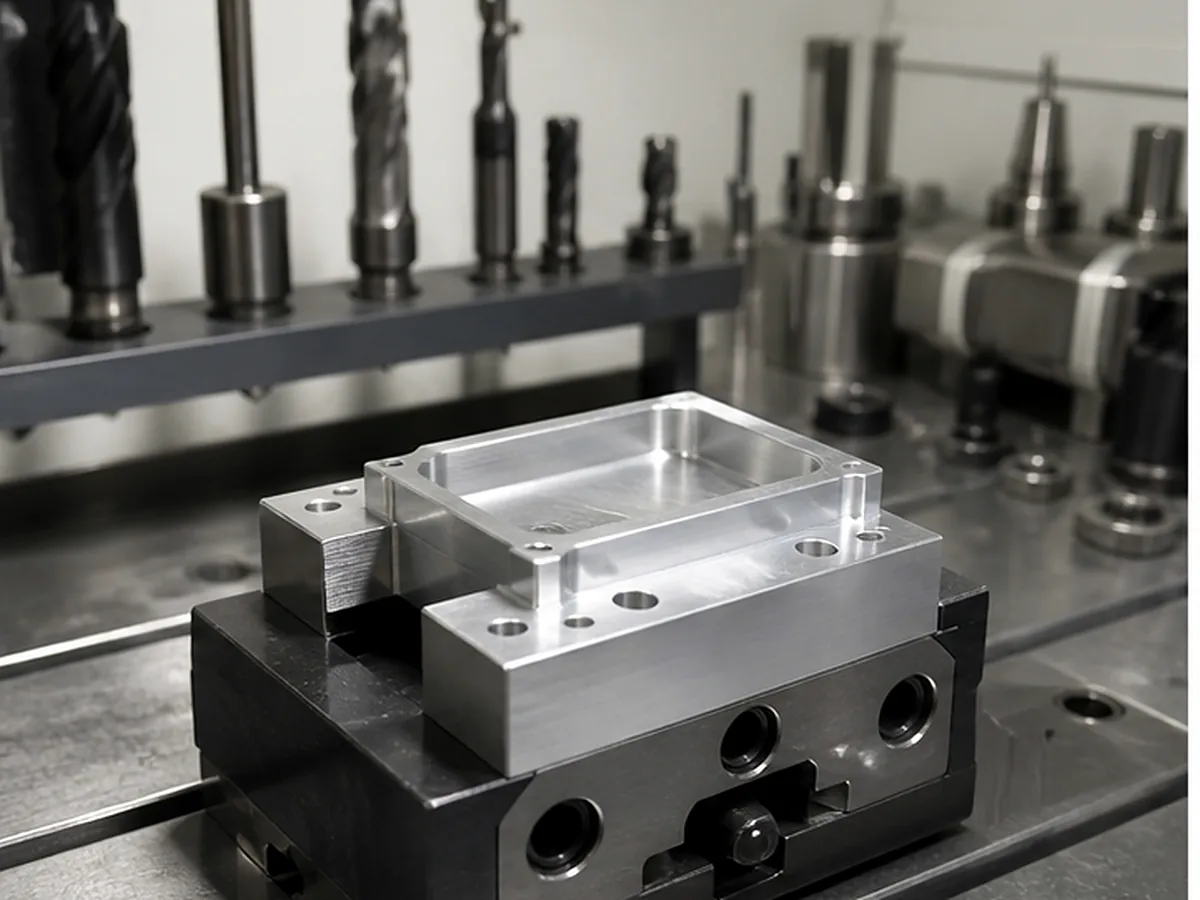
1. Define the Buying Requirement Before Comparing Suppliers
Document material, geometry, tolerances, finish, volume, inspection records, delivery destination and project stage. Separate mandatory requirements from preferences. Suppliers cannot be compared fairly if each quotation is based on different assumptions.
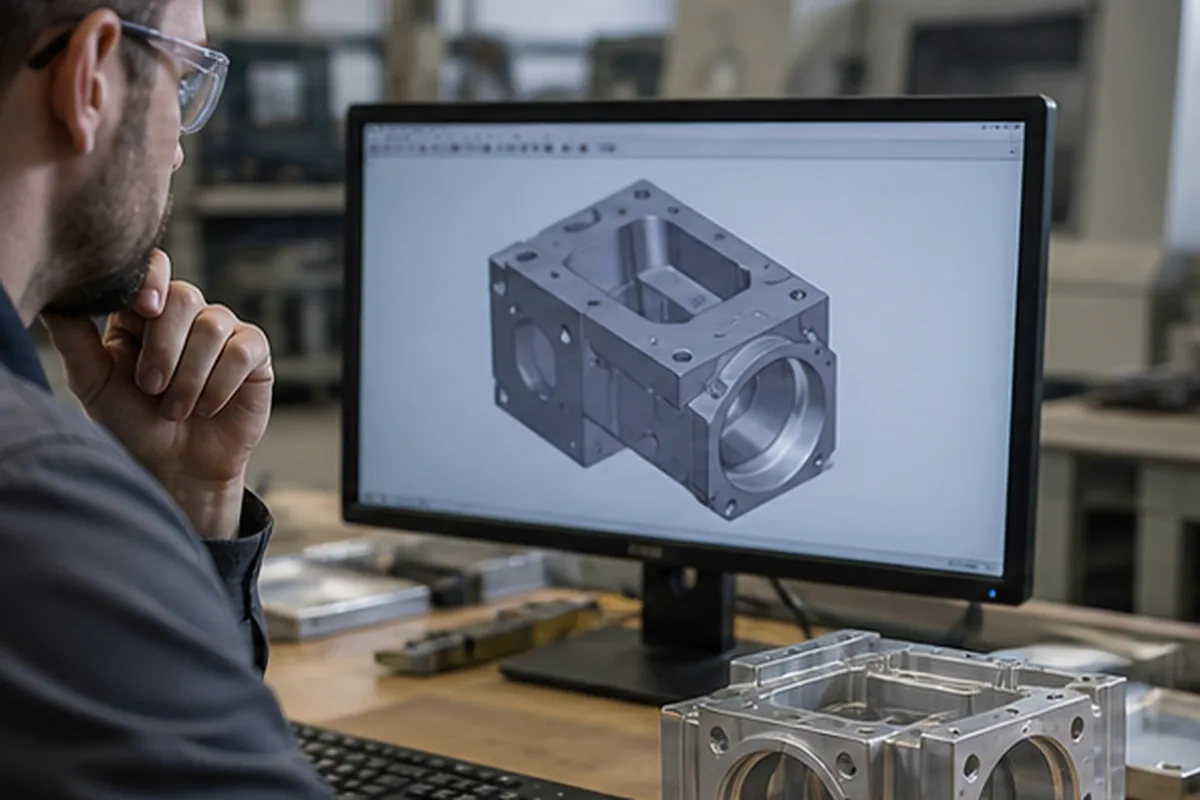
2. Verify Capability at Feature Level
| Buyer question | Useful evidence | Weak answer |
|---|---|---|
| Can you hold this bore and position? | Process plan, measurement method and relevant sample report | “We make precision parts” |
| Can you machine this material? | Material-specific examples and sourcing route | A long unverified material list |
| Can you manage the finish? | Approved route, thickness/masking control and certificate scope | Color photos only |
| Can you inspect the requirement? | Gauge strategy, access analysis and reporting format | Equipment name without method |
| Can you repeat production? | Fixture, revision and control-plan approach | Prototype sample alone |
3. Evaluate the Supplier’s Questions
A capable supplier should identify conflicting revisions, inaccessible features, ambiguous datums, coating effects and inspection gaps. No questions can mean the part is straightforward, but it can also mean assumptions were not surfaced. Judge whether the questions reveal the manufacturing logic and lead to controlled decisions.
4. Review Quality and Change Control
- How are drawings, models and revisions controlled?
- Which inspections occur at incoming, in-process and final stages?
- How are measuring devices selected and calibrated?
- What records accompany the order?
- How are deviations approved before shipment?
- How are nonconformances contained, investigated and corrected?
Ask for evidence appropriate to your risk. A certificate logo is not a substitute for a part-specific control plan.
5. Understand What Is In-House and What Is Outsourced
Many machining suppliers use qualified partners for heat treatment, anodizing, plating or specialized inspection. Outsourcing is not automatically a weakness; hidden responsibility is. Confirm who selects the processor, controls revisions, verifies certificates, handles rejected work and remains accountable to you.
6. Run a Representative Pilot Order
Select a part that tests the features, material, finish and documentation expected in production. Agree on acceptance criteria before machining. Evaluate communication, FAI results, packaging, delivery and corrective response—not just whether one sample fits.
Supplier Scorecard
- Technical fit: feature-level process and inspection capability
- Evidence: relevant, current and verifiable records
- Communication: assumptions, risks and changes documented
- Capacity: realistic schedule for prototype and repeat demand
- Supply chain: controlled material and special-process sources
- Commercial clarity: inclusions, exclusions, Incoterms and payment terms
- Response to failure: containment, root cause and corrective action
Claims Buyers Should Challenge
Challenge universal tolerance claims, guaranteed lead times without drawing review, every-process-in-house statements, certification references without a valid scope, and sample photos with no material or inspection context. Formexi’s own capability statements are also subject to drawing, material, quantity and process review.
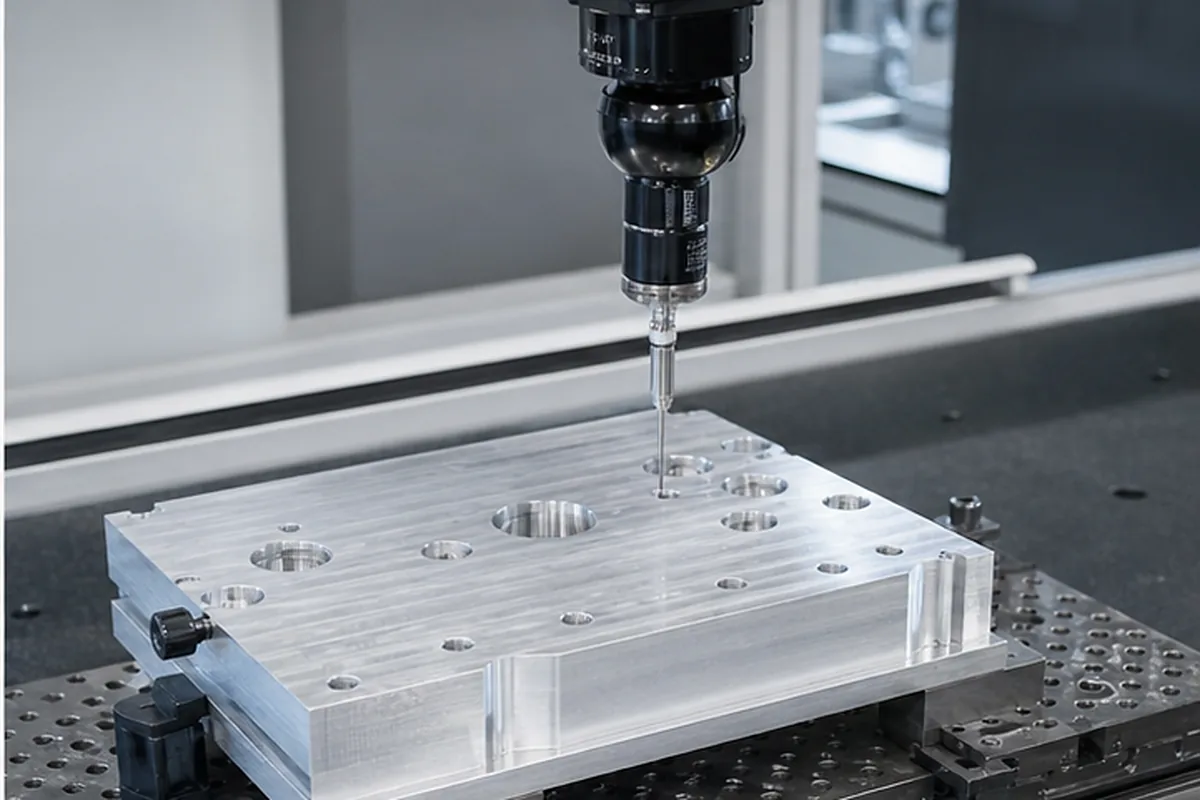
Our Review Method for How to Choose a CNC Machining Supplier Requirements
The purchasing issue behind How to Choose a CNC Machining Supplier is that buyers can overpay or lose datum consistency when a process is chosen from a machine label instead of the part geometry; as a result, unnecessary setups or an unjustified high-end route can add cost without improving the functional result. Our response is to compares rotational versus prismatic geometry, feature access, datum relationships, workholding, batch size and measurement access before selecting milling, turning or a combined route. The objective is to protect assembly and validation schedules while reducing preventable scrap, rework and supplier-change risk.
For the How to Choose a CNC Machining Supplier buying decision, before we confirm price or delivery, the buyer should send the 2D drawing and 3D model, overall size, material state, critical datums and tolerances, quantity, finish and inspection documents. If a requirement cannot yet be verified, we keep it as an open condition instead of presenting it as a guaranteed result.