

Corrosion Troubleshooting
Why Finished CNC Metal Parts Still Corrode
Finished metal parts can still corrode when the finish is mismatched to the environment, coverage is incomplete, edges or masked zones are exposed, the substrate is contaminated, dissimilar metals create galvanic conditions, packaging traps moisture, or the coating is damaged in assembly. Diagnose corrosion form, location and exposure before blaming coating thickness alone.
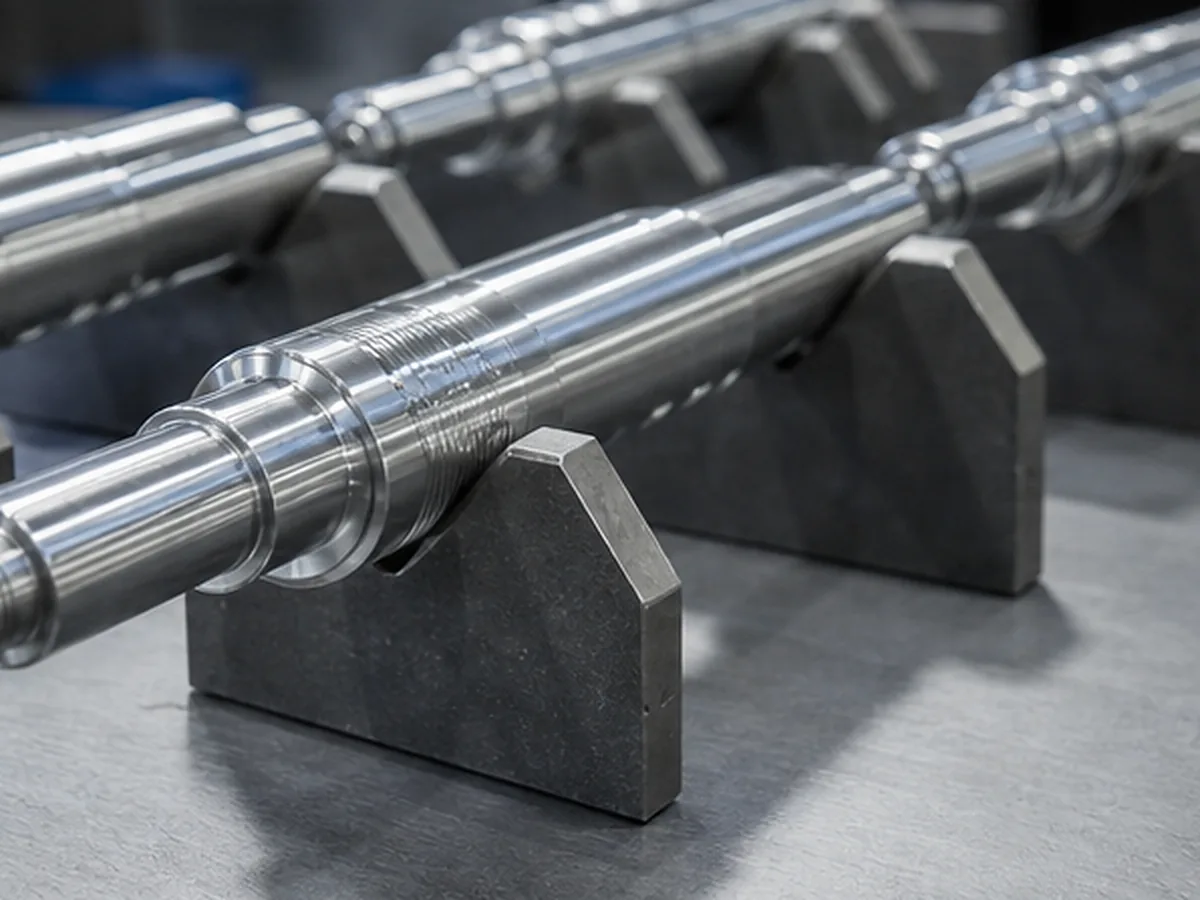
Start With Location and Appearance
| Observation | Possible mechanism | Check |
|---|---|---|
| Corrosion at scratches/edges | Barrier damage or thin edge coverage | Handling, packaging and edge geometry |
| Corrosion near fasteners | Galvanic couple or crevice moisture | Mating materials and drainage |
| Rust spots on stainless | Free-iron contamination or local damage | Fabrication, cleaning and passivation route |
| Corrosion under coating | Pretreatment/adhesion failure or trapped contamination | Failure interface and process records |
| Marks after shipping | Condensation, salt, fingerprints or packaging chemistry | Transit environment and package condition |
| Attack in recesses | Trapped liquid or poor drainage | Geometry and service cleaning |
Finish Selection Must Match Real Exposure
Define indoor/outdoor use, humidity, chloride, chemicals, temperature cycles, abrasion, cleaning agents, immersion and expected damage. Laboratory corrosion tests compare controlled conditions; they do not guarantee service life in every environment.
Design Can Defeat a Good Finish
- Water traps and unvented blind cavities
- Dissimilar metals in electrical contact
- Sharp edges with weak coating coverage
- Crevices that retain contaminants
- Masked areas exposed after assembly
- Threads or press fits that damage the finish
- No drainage or cleaning access
Manufacturing and Packaging Controls
- Use verified material and a compatible pretreatment.
- Control cleaning between machining and finishing.
- Protect critical surfaces from rack and handling damage.
- Inspect coating thickness/coverage as specified.
- Dry parts before packaging.
- Use compatible corrosion protection and barrier packaging.
- Prevent finished faces and dissimilar metals from rubbing in transit.
Evidence for a Useful Investigation
- Material and finish certificates
- Corrosion photographs with location and scale
- Time to first observation and full exposure history
- Mating materials and assembly condition
- Packaging photos and transit/storage conditions
- Coating thickness or cross-section at failed and sound zones
- Cleaning chemicals and maintenance history
Rework Requires System Review
Removing visible corrosion and touching up the finish may not remove under-film attack or restore dimensions. Determine remaining substrate condition, failure mechanism and approved strip/recoat route. Replace parts when structural integrity or acceptance cannot be demonstrated.
What Our Project Review Resolves Before Quoting Why Finished CNC Metal Parts Still Corrode
When the buyer needs a supplier response tied to the actual part rather than a generic capability statement, a broad promise can leave geometry, material, quality, cost and delivery assumptions unresolved. For Why Finished CNC Metal Parts Still Corrode, our engineering and quotation review turns the drawing and purchase requirement into documented process, inspection and approval questions before price or production is confirmed. This helps reduce rework, approval delays and avoidable purchasing cost without turning a screening assumption into a capability guarantee.
For the Why Finished CNC Metal Parts Still Corrode buying decision, we confirm the route only after reviewing the controlled drawing and model, material, quantities, critical requirements, finish, quality documents, target date, destination and confidentiality needs. Any unresolved item is listed as an RFQ clarification so the buyer can compare scope, evidence, price and lead time on the same basis.
Apply Finished CNC Metal Parts Still Corrode to the Buyer Decision
For Finished CNC Metal Parts Still Corrode, use the controlling 2D drawing and 3D model to define part number and revision, material and condition, quantity and annual demand, critical tolerances and GD&T, roughness, heat treatment, surface finish, inspection documents, packaging, delivery address and target date. Identify confidentiality restrictions and which DFM changes may be considered for this part.
Price and lead time can be confirmed only after geometry, material availability, programming, workholding, external processes, inspection effort, first-article approval and logistics are reviewed together.
Check the complete RFQ inputs before supplier comparison.