

Coating Failure Analysis
Why Coatings Peel From CNC Machined Parts
Coatings peel when adhesion at the substrate, pretreatment or intercoat interface is weaker than service and handling stresses. Common causes include oil or contamination, unsuitable surface preparation, incompatible material, poor conversion/primer control, incorrect cure, excessive film, trapped moisture, sharp edges or unapproved rework. Confirm the failure layer before selecting a correction.
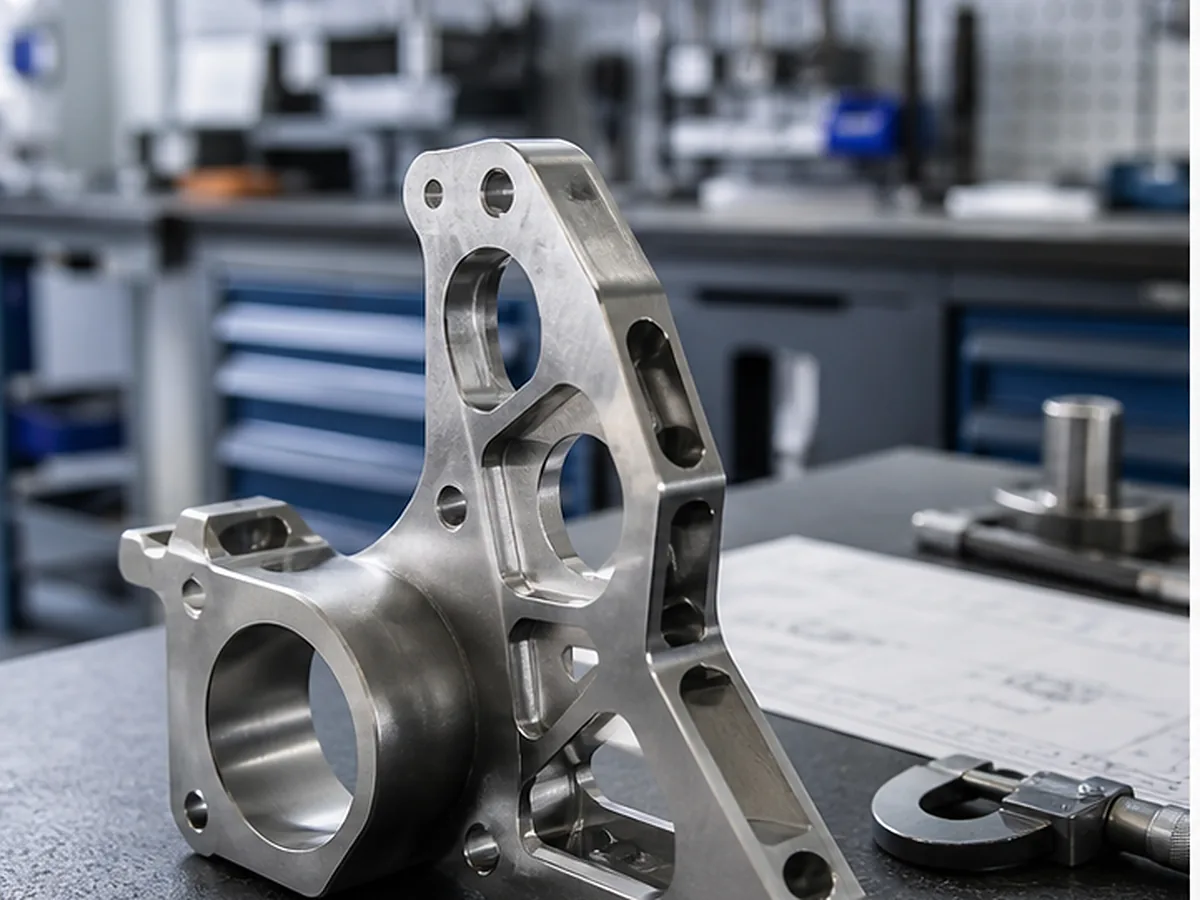
Immediate Containment
- Stop shipment and assembly of the affected lot.
- Protect failed samples from cleaning or further peeling.
- Record part, revision, material lot, coating batch and processor.
- Photograph failure location, pattern and packaging condition.
- Check whether failure occurred before shipment, during assembly or in service.
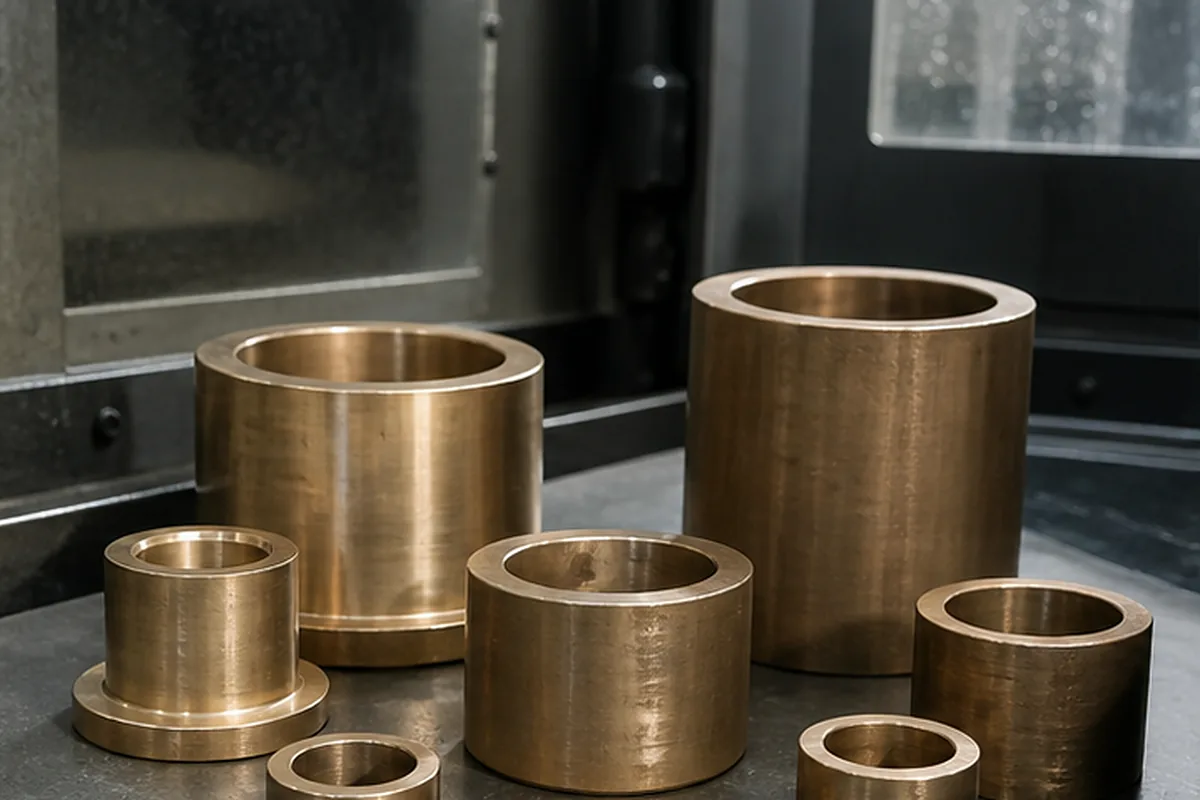
The Failure Pattern Provides Clues
| Pattern | Possible cause | Evidence needed |
|---|---|---|
| Peels cleanly from metal | Contamination or inadequate pretreatment | Cleaning and pretreatment records |
| Fails at edges/corners | Thin coverage, sharp edge or handling damage | Edge geometry and thickness map |
| Bubbles/blisters | Moisture, outgassing, corrosion or cure issue | Substrate/process/environment history |
| Intercoat separation | Compatibility or recoat-window problem | Layer and cure sequence |
| Local failure at masked zone | Boundary contamination or transition damage | Masking method and macro images |
| Damage only after assembly | Impact, flexing, chemical or fit interference | Assembly and service conditions |
Machining and Handling Affect Adhesion
- Cutting fluid or corrosion inhibitor can remain in recesses.
- Polished surfaces may need a compatible pretreatment profile.
- Burrs and sharp edges receive uneven coverage.
- Porosity or trapped media can release contamination.
- Bare hands and dirty packaging can contaminate prepared surfaces.
- Late rework may bypass the approved cleaning route.
Testing Must Match the Specification
Visual inspection, cross-hatch, pull-off, bend, cure, thickness or environmental tests answer different questions and are not interchangeable. Use the governing finish specification and an agreed sampling plan. A test performed after the part has been damaged may not establish original process quality.
Can Peeling Parts Be Recoated?
Stripping and recoating may alter base dimensions, surface texture, heat exposure and corrosion performance. Partial touch-up may not restore the approved system. Rework requires a documented route, verification and buyer approval when it affects controlled requirements.
Corrective-Action Evidence
- Confirmed failure interface
- Material and pretreatment traceability
- Bath/process/cure records appropriate to the specification
- Coating thickness and test results
- Containment quantity and affected date range
- Verified correction on representative parts
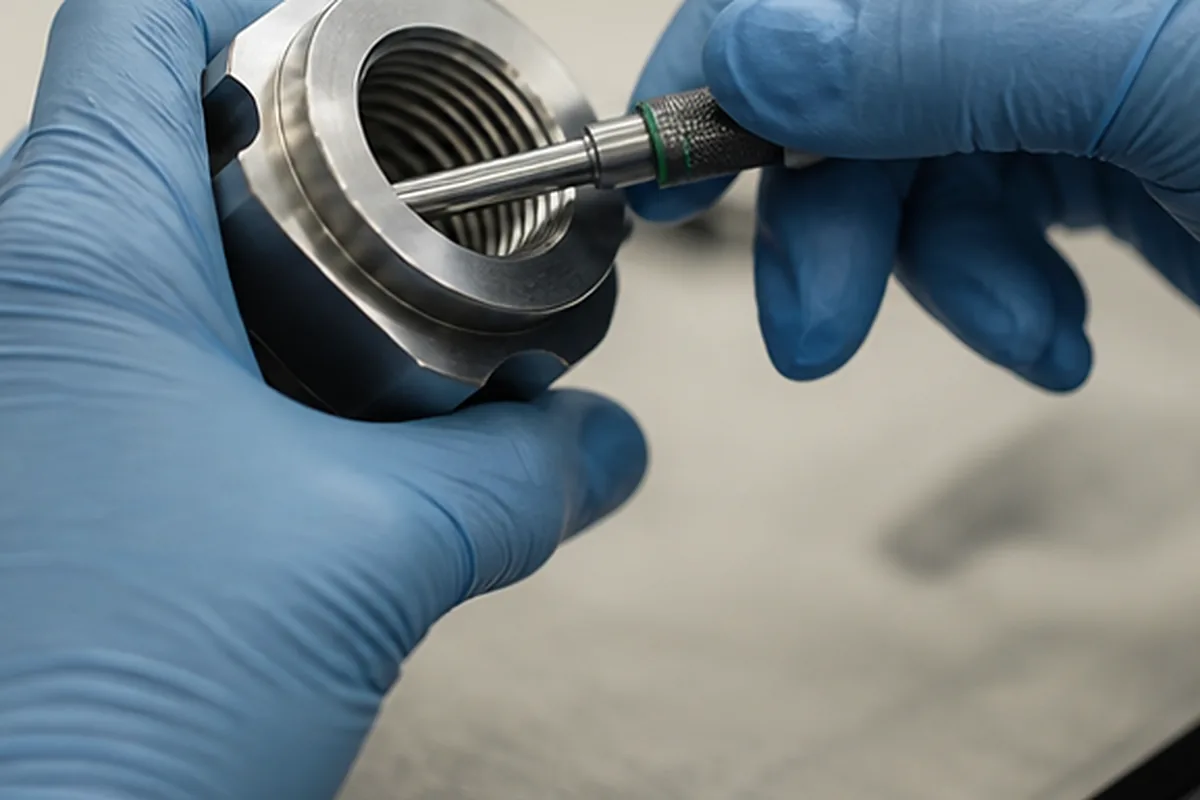
How We Control the Buyer Risk in Why Coatings Peel From CNC Machined Parts
A useful supplier solution for Why Coatings Peel From CNC Machined Parts starts when the buyer needs a supplier response tied to the actual part rather than a generic capability statement. Because a broad promise can leave geometry, material, quality, cost and delivery assumptions unresolved, our project review turns the drawing and purchase requirement into documented process, inspection and approval questions before price or production is confirmed. That approach helps the buyer avoid paying for the wrong process and lowers the chance of discovering a critical issue after machining or finishing.
For the Why Coatings Peel From CNC Machined Parts buying decision, our review needs the controlled drawing and model, material, quantities, critical requirements, finish, quality documents, target date, destination and confidentiality needs. We record assumptions, approval points and evidence requirements before the quotation becomes the production baseline.
Apply Coatings Peel From CNC Machined Parts to the Buyer Decision
For Coatings Peel From CNC Machined Parts, use the controlling 2D drawing and 3D model to define part number and revision, material and condition, quantity and annual demand, critical tolerances and GD&T, roughness, heat treatment, surface finish, inspection documents, packaging, delivery address and target date. Identify confidentiality restrictions and which DFM changes may be considered for this part.
Price and lead time can be confirmed only after geometry, material availability, programming, workholding, external processes, inspection effort, first-article approval and logistics are reviewed together.
Check the complete RFQ inputs before supplier comparison.