

Process Selection
When Should You Use 5-Axis CNC Machining?
Use 5-axis CNC machining when simultaneous tool orientation or multi-face access materially improves feature reach, setup consolidation, surface continuity or datum relationships. Do not choose it simply because a part looks complex. A well-designed 3-axis process can be more economical for accessible prismatic geometry, especially at low volume.
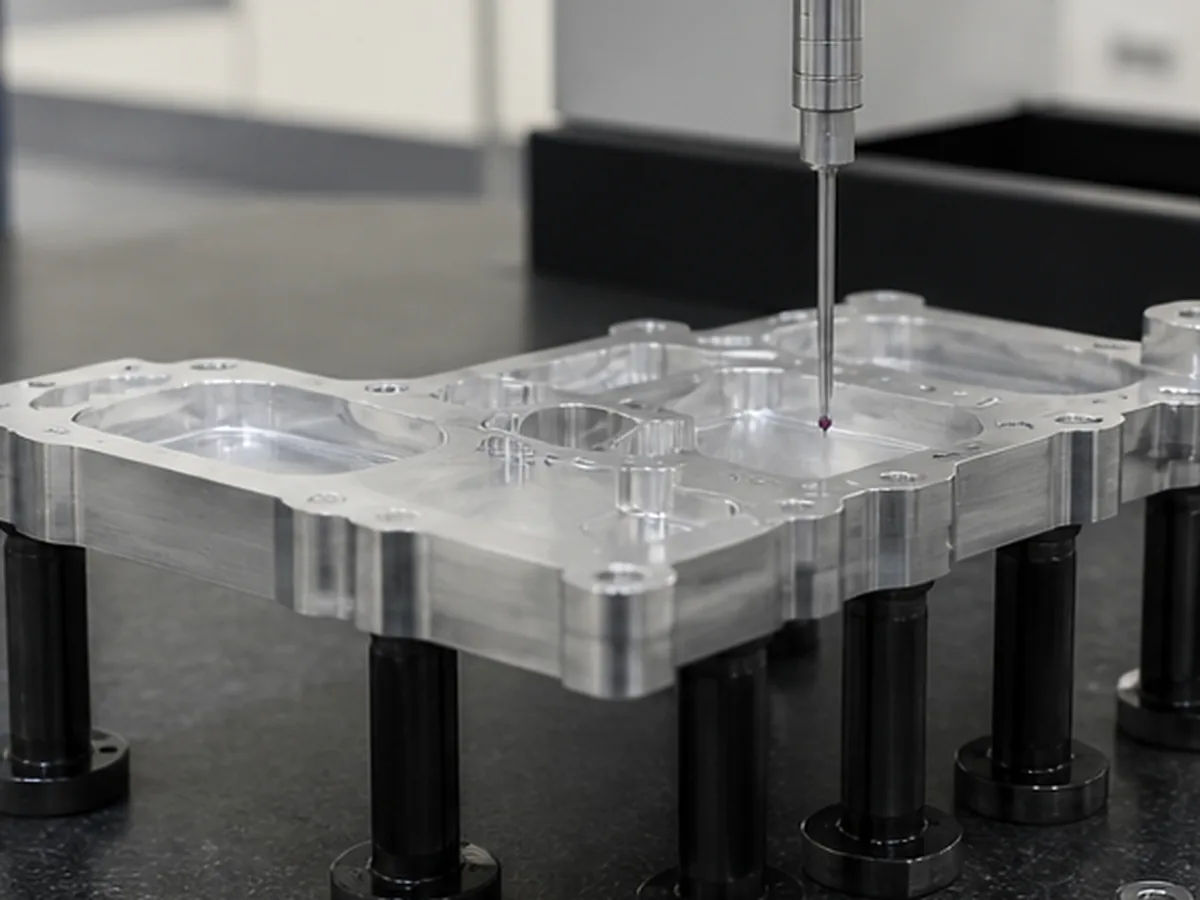
Strong Reasons to Evaluate 5-Axis Machining
- Features lie on several compound angles.
- Deep surfaces require a shorter tool approached from a better direction.
- Contoured surfaces need controlled tool orientation.
- Multiple faces must relate closely to a common datum system.
- Repeated re-clamping would create alignment or cosmetic transition risk.
- Part shape makes conventional fixtures difficult or obstructive.
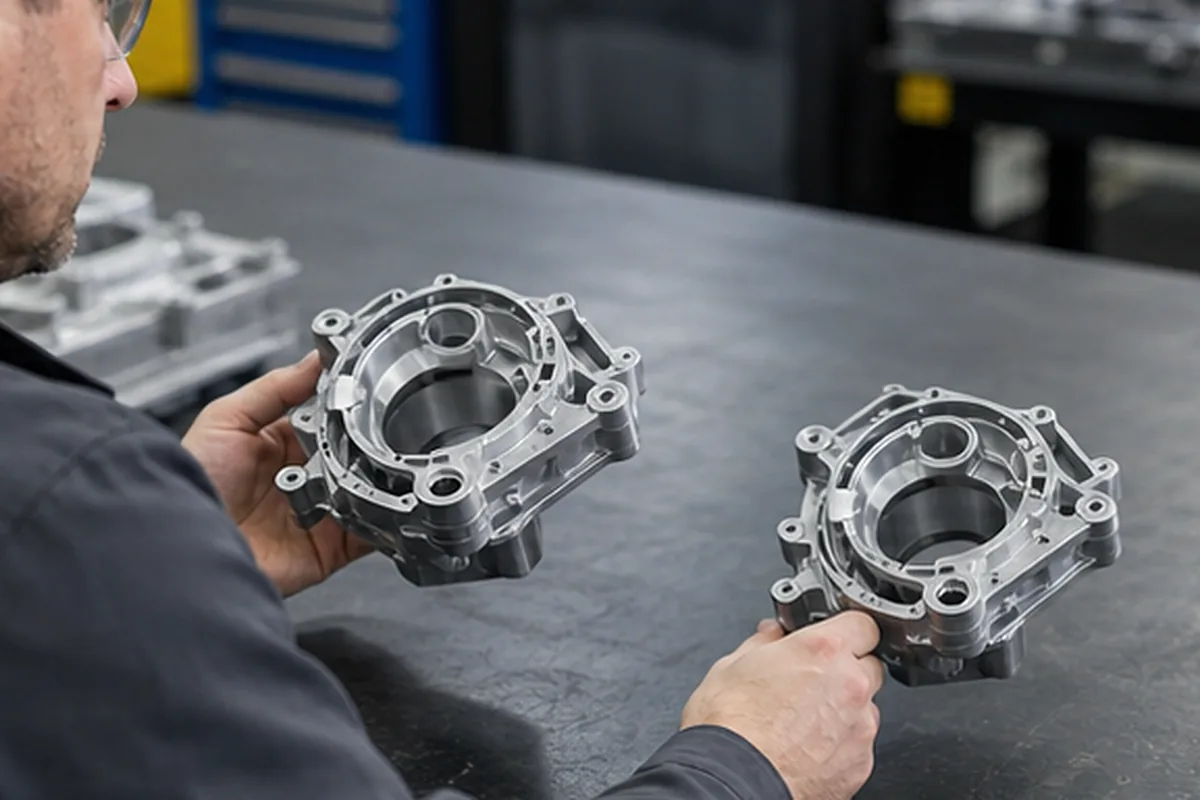
Situations Where 3-Axis May Be the Better Choice
- All critical features are accessible from one or two simple orientations.
- The part is mostly plates, pockets, holes and orthogonal faces.
- Separate setups do not threaten the functional tolerance stack.
- Simple fixtures can repeat reliably at the required quantity.
- The supplier’s 5-axis programming and verification effort exceeds the setup saving.
Compare the Complete Process
| Question | 3-axis implication | 5-axis implication |
|---|---|---|
| How many orientations? | Separate setups may be needed | Several faces may be reached in one holding |
| Tool reach? | Long tools may reduce stiffness | Tilt can permit shorter tools |
| Datum transfer? | Re-location adds stack-up | Features may stay in one datum frame |
| Programming? | Often simpler | More simulation and collision control |
| Fixture? | May be simple but numerous | Must provide rotational clearance |
| Surface path? | Possible access limits | Orientation can improve contact and continuity |
Indexed 3+2 and Simultaneous 5-Axis Are Different
In indexed machining, rotary axes position the part and then remain fixed while cutting. It is useful for multi-face access. Simultaneous 5-axis moves linear and rotary axes during cutting and is used for complex contours or controlled tool orientation. A request for “5-axis” should state the geometry or relationship that needs it, not assume simultaneous motion is always superior.
Example Decision Logic
A housing with orthogonal bores on five faces might benefit from one indexed holding if position relationships and fixture access justify it. A flat bracket with top-side pockets and simple side holes may remain cheaper with 3-axis machining and one secondary setup. The decision comes from setup count, tolerance chain, tool reach, quantity and verification effort.
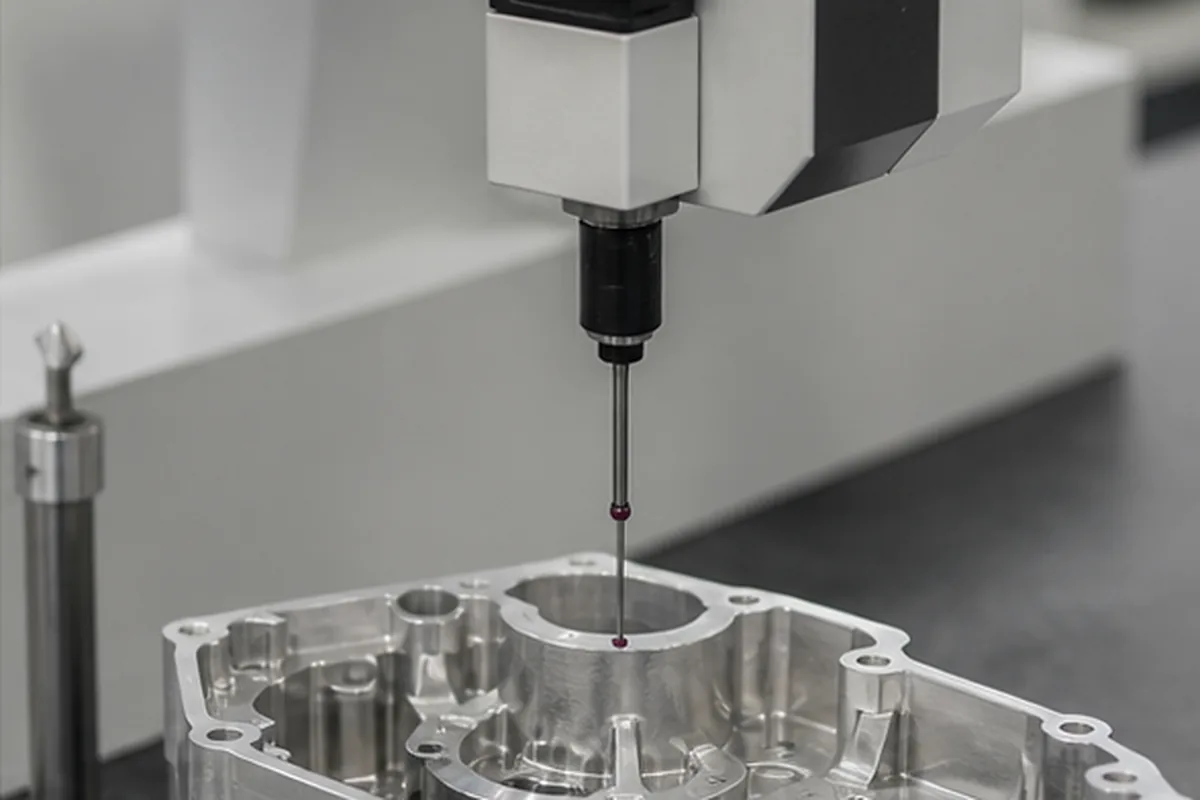
Files Needed for Process Review
Provide a solid 3D model, controlled drawing, critical datum relationships, material, quantity, surface finish and the features that cannot move in redesign. Formexi will evaluate access and setup strategy; final process selection remains subject to part-specific engineering review.