

Plastic Comparison
Nylon vs POM for CNC Machined Parts
Choose POM when low moisture absorption, dimensional consistency and sliding performance are priorities; choose nylon when toughness, wear behavior or application-specific grade benefits justify its higher moisture sensitivity. Actual behavior depends on nylon type, conditioning, fillers and environment.
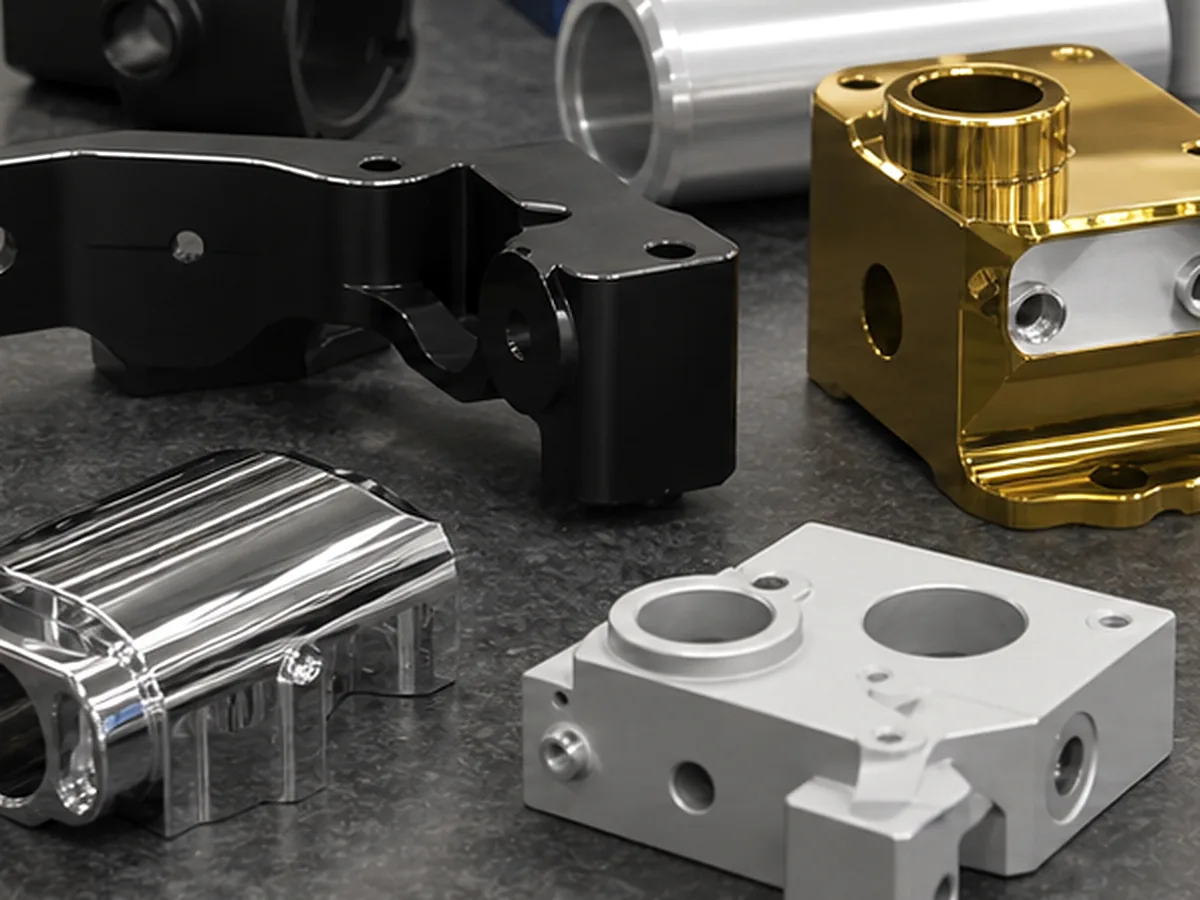
Compare Moisture Uptake, Creep, Friction and Dimensional Stability
- Define dry and humid service conditions.
- Compare stiffness, impact, wear and creep needs.
- Review bearing clearances across moisture and temperature.
- Specify exact resin and filler.
- Agree conditioning before measurement and assembly.
Avoid Selecting Nylon or POM From Strength Alone
- Writing only ‘nylon’ on the drawing
- Inspecting dry stock for a humid-service fit
- Ignoring creep under sustained load
- Using published properties from a different grade or test condition
Information Required for a Useful Quote
Provide the exact material grade, condition, governing standard, permitted product form, certificate/traceability needs, quantity, geometry, final finish and service constraints. Availability and machining route remain subject to project review.
Validation Boundary
Published property values are screening information and vary by grade, form, test condition and supplier. The buyer must validate the final material against the product’s load, environment and compliance requirements.
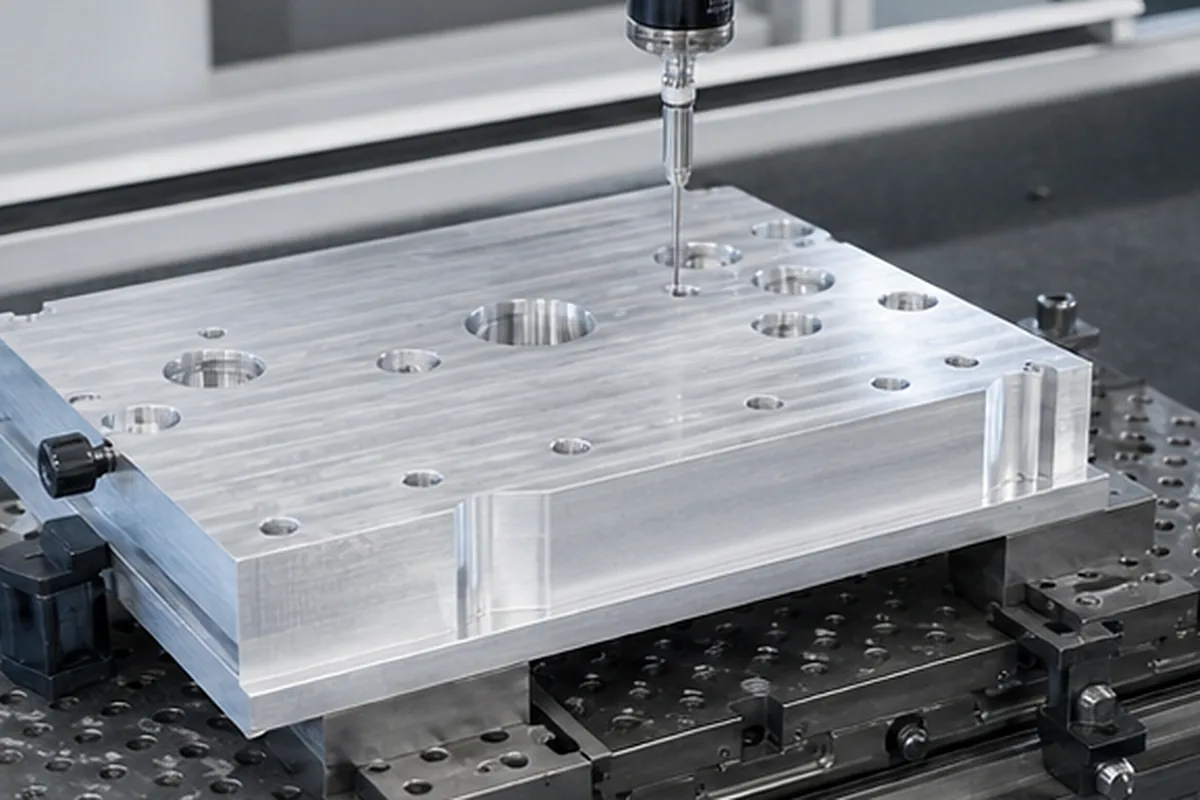
From Nylon vs POM for CNC Machined Parts Requirements to a Controlled Manufacturing Plan
The purchasing issue behind Nylon vs POM for CNC Machined Parts is that machined plastics can change size with heat, moisture, residual stress, clamping force and measurement timing; as a result, metal-style tolerances applied without conditioning rules can create unstable inspection and assembly results. Our response is to reviews resin grade, filler, stock history, wall support, heat input, burr method and conditioning state before selecting the process and measurement plan. The objective is to protect assembly and validation schedules while reducing preventable scrap, rework and supplier-change risk.
For the Nylon vs POM for CNC Machined Parts buying decision, before we confirm price or delivery, the buyer should send the exact polymer grade, filler and color, moisture or temperature condition, functional fits, free-state requirement, quantity and cleanliness needs. If a requirement cannot yet be verified, we keep it as an open condition instead of presenting it as a guaranteed result.
Apply Nylon vs POM for CNC Machined Parts to the Buyer Decision
For Nylon vs POM for CNC Machined Parts, use the controlling 2D drawing and 3D model to define part number and revision, material and condition, quantity and annual demand, critical tolerances and GD&T, roughness, heat treatment, surface finish, inspection documents, packaging, delivery address and target date. Identify confidentiality restrictions and which DFM changes may be considered for this part.
Price and lead time can be confirmed only after geometry, material availability, programming, workholding, external processes, inspection effort, first-article approval and logistics are reviewed together.
Check the complete RFQ inputs before supplier comparison.