

Flexible-Part Metrology
How to Inspect Flexible and Thin-Wall CNC Parts
Use a defined free-state or restrained method to inspect flexible and thin-wall CNC parts. Specify support points, orientation, measurement force, temperature and stabilization time before production; otherwise two valid setups can produce different flatness, profile or size results.
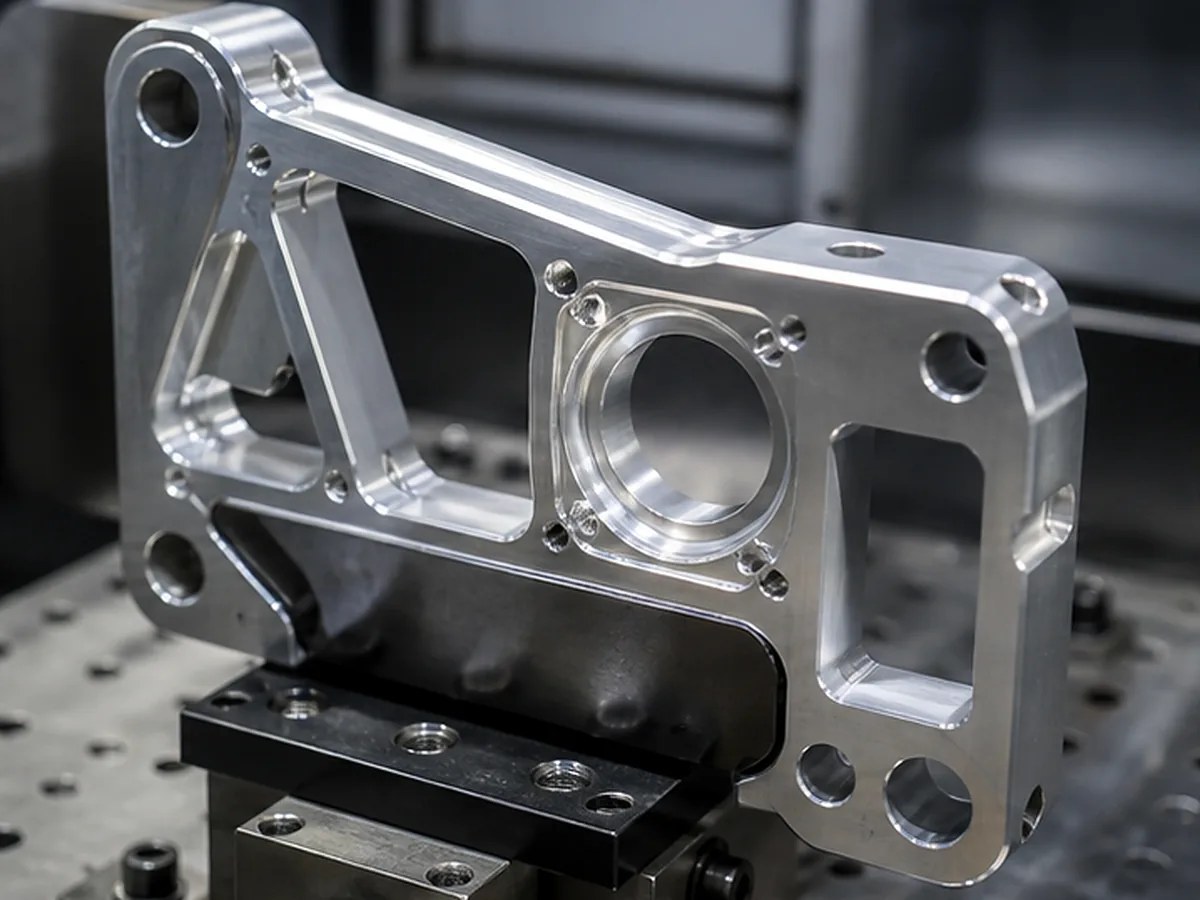
Recommended Engineering Method
- Define the part’s functional assembled condition.
- State free-state or restrained acceptance on the drawing.
- Design supports that do not force the part into compliance.
- Use low and repeatable contact/probe force.
- Record orientation, support, temperature and measurement sequence.
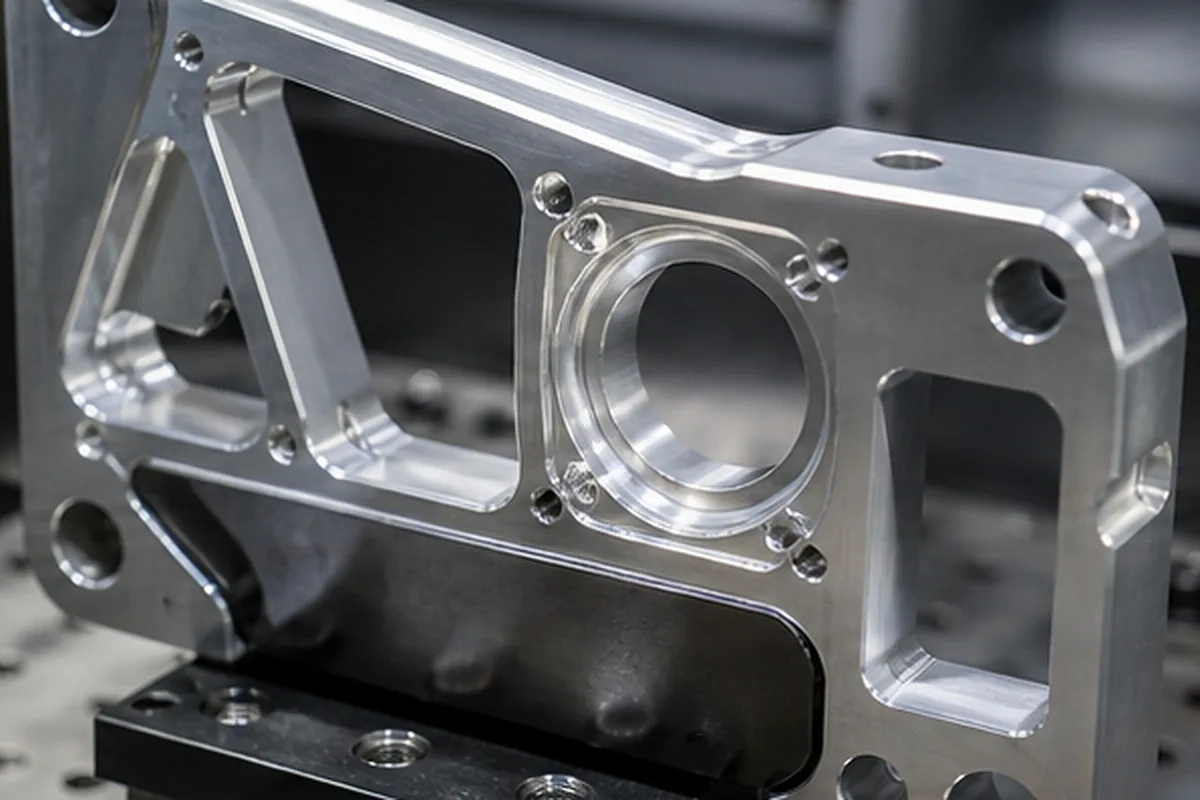
Common Specification and Inspection Errors
- Flattening the part against a surface plate
- Clamping to match nominal CAD
- Changing support points between buyer and supplier
- Measuring immediately after heat-generating operations
Questions the Buyer and Supplier Must Resolve
- Is flexibility intentional?
- How is the part held in real assembly?
- Does gravity orientation matter?
- Which measurement force and support are reproducible?
Required Evidence
Use the controlled drawing, actual-value results, stated equipment/method, datum or support setup, inspection condition and approval record. The appropriate method and achievable uncertainty remain feature- and project-specific.
Acceptance Boundary
Formexi can review manufacturability and inspection feasibility, but the buyer retains design authority for functional requirements and deviations. Any GD&T interpretation must follow the standard edition stated on the drawing.
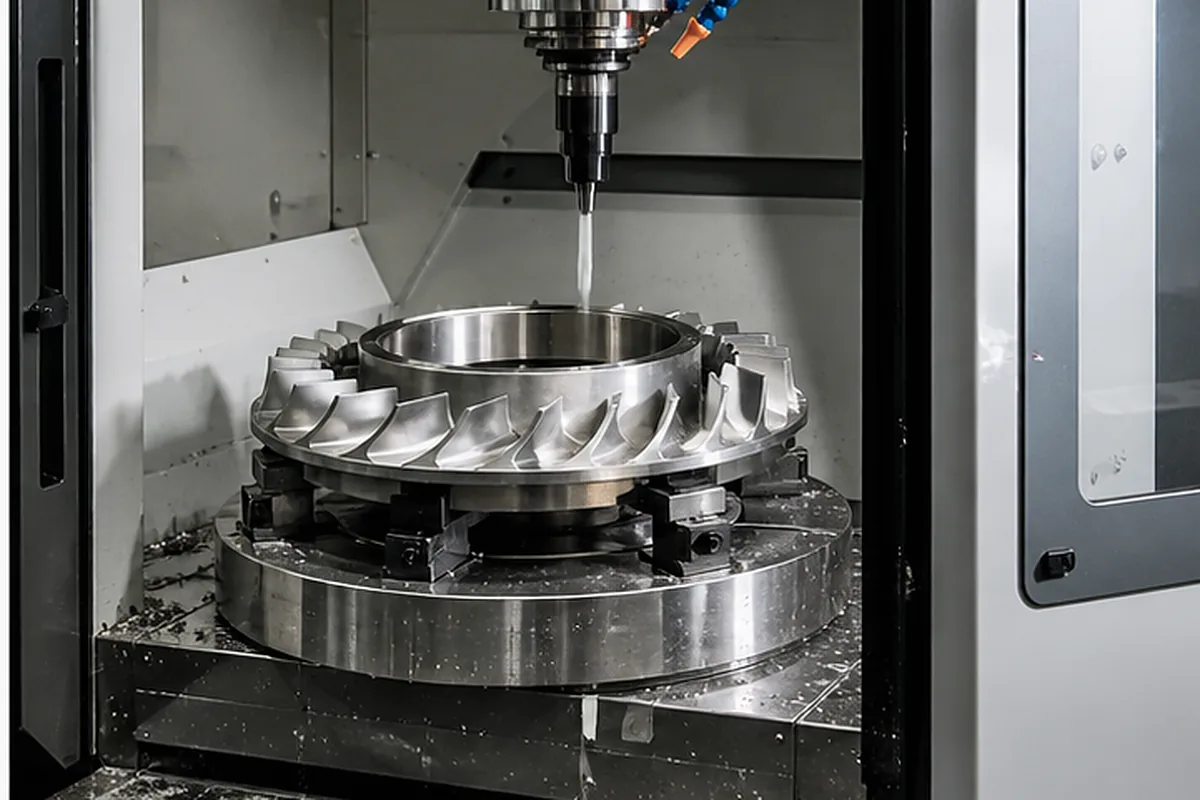
Our Review Method for How to Inspect Flexible and Thin-Wall CNC Parts Requirements
The purchasing issue behind How to Inspect Flexible and Thin-Wall CNC Parts is that thin or flexible geometry can move during clamping, stock removal, heat treatment or measurement; as a result, a part may pass while restrained and fail after release or during assembly. Our response is to reviews stock condition, support points, cutting sequence, datum transfer and the free-state or restrained inspection condition before fixing the route. The objective is to protect assembly and validation schedules while reducing preventable scrap, rework and supplier-change risk.
For the How to Inspect Flexible and Thin-Wall CNC Parts buying decision, before we confirm price or delivery, the buyer should send wall height and span, material condition, datums, functional tolerance, assembly support, finish sequence and measurement condition. If a requirement cannot yet be verified, we keep it as an open condition instead of presenting it as a guaranteed result.
Apply Inspect Flexible and Thin-Wall CNC Parts to the Buyer Decision
For Inspect Flexible and Thin-Wall CNC Parts, use the controlling 2D drawing and 3D model to define part number and revision, material and condition, quantity and annual demand, critical tolerances and GD&T, roughness, heat treatment, surface finish, inspection documents, packaging, delivery address and target date. Identify confidentiality restrictions and which DFM changes may be considered for this part.
Price and lead time can be confirmed only after geometry, material availability, programming, workholding, external processes, inspection effort, first-article approval and logistics are reviewed together.
Check the complete RFQ inputs before supplier comparison.
Choose the Support and Measurement Route Together
Start from the design datum scheme and decide whether the function is controlled in free state, under defined support, or in the assembled condition. Use repeatable three-point or purpose-designed support without over-constraining the part, and document support locations, clamping force and orientation in the inspection instruction.
The process route should machine and inspect a first article after release from the production workholding. When flatness or profile changes with time or temperature, add stabilization and repeat measurements before selecting final sampling. The supplier must not force a flexible part into tolerance unless the drawing defines that restrained condition.