

Buyer Quote Comparison
How to Compare CNC Machining Quotes Correctly
Compare CNC machining quotes only after normalizing revision, material, quantity, finish, inspection, packaging, delivery term, payment basis and lead-time definition. Then evaluate technical risk, evidence and total landed cost—not unit price alone. An incomplete quote cannot be made comparable by placing it in the same spreadsheet.
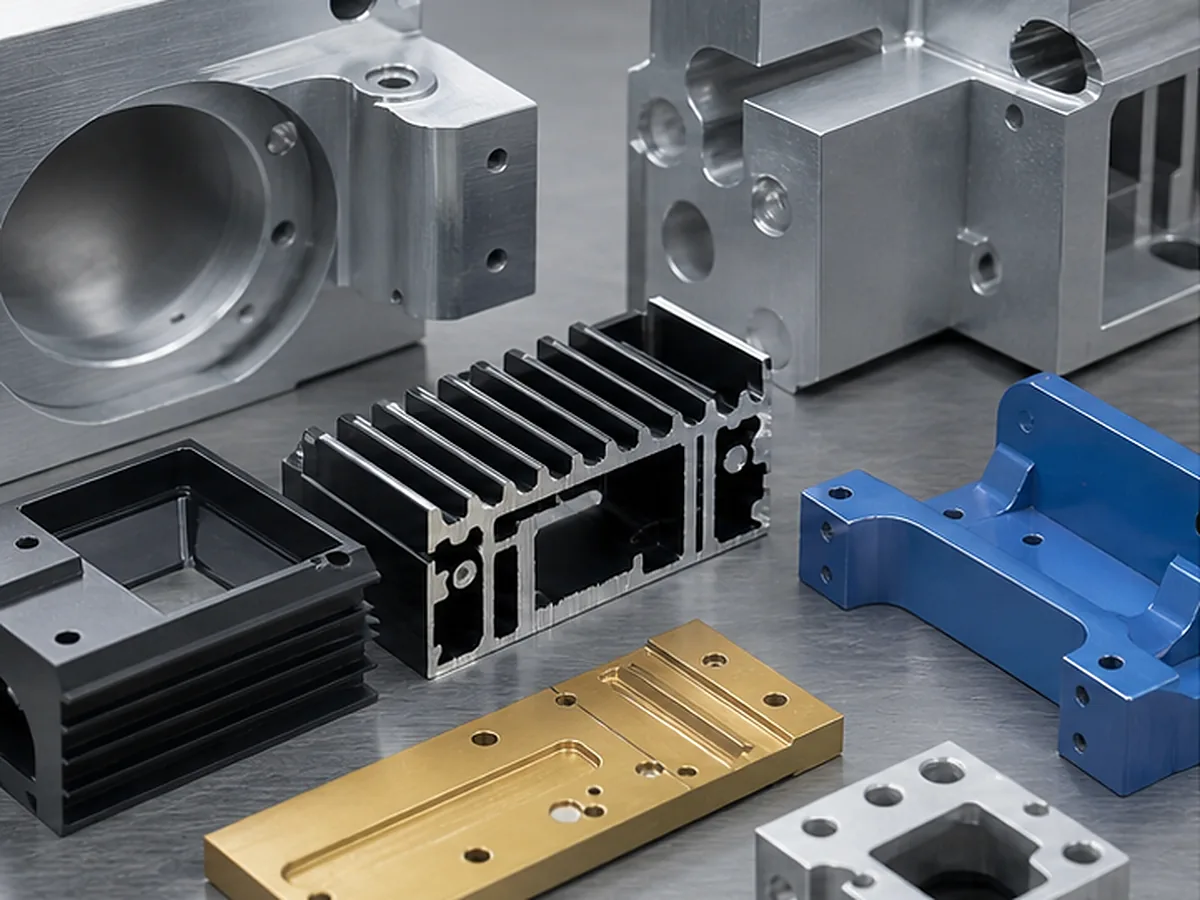
Build a Common Comparison Basis
| Field | Required comparison | Buyer action if unclear |
|---|---|---|
| Files | Same model/drawing revision | Reissue controlled RFQ |
| Material | Alloy, temper, form, certificate | Confirm substitutions and source |
| Quantity | Same batch and releases | Request matching breaks |
| Finish | Process, thickness, masking, color | Request inclusion/exclusion |
| Inspection | Sampling, FAI/CMM and documents | Price required scope |
| Delivery | Incoterm, destination and timing event | Normalize freight/import costs |
| Commercial | Currency, tax, payment and validity | Convert on stated assumptions |

Use a Three-Part Evaluation
- Technical compliance: can the proposed route meet critical features and finish?
- Commercial total: what will the buyer actually pay through receipt and acceptance?
- Execution risk: how strong are revision control, communication, quality evidence and recovery plans?
Reject or clarify mandatory noncompliance before applying a weighted score. A low price should not compensate for an unapproved material substitute.
Suggested Buyer Scorecard
- Drawing and requirement understanding
- Relevant process and inspection capability
- Material and special-process control
- Included documentation
- First and repeat lead time
- Total landed cost
- Payment and commercial terms
- Change/nonconformance response
Set weights from project risk. Prototype speed, production repeatability and regulated documentation do not deserve identical weighting.
Questions for the Clarification Round
- Which requirements were assumed rather than confirmed?
- Which operations are outside the quoted supplier?
- Are tooling, FAI, certificates and packaging one-time or recurring?
- What starts the quoted lead time?
- What is excluded from the Incoterm?
- What changes can trigger re-quotation?
- How long are price and material assumptions valid?
Run a Representative Pilot
For a new supplier or high-risk part, use a controlled pilot order that tests important geometry, finish, inspection and packaging. Compare actual communication, report quality and delivery with the quotation. Do not award production solely from a cosmetic sample or generic capability presentation.
Document the Award Decision
Record selected scope, accepted assumptions, open actions, required approvals and why the supplier was chosen. Attach the final quotation and controlled technical files to the purchase order so a later commercial revision cannot separate price from requirements.
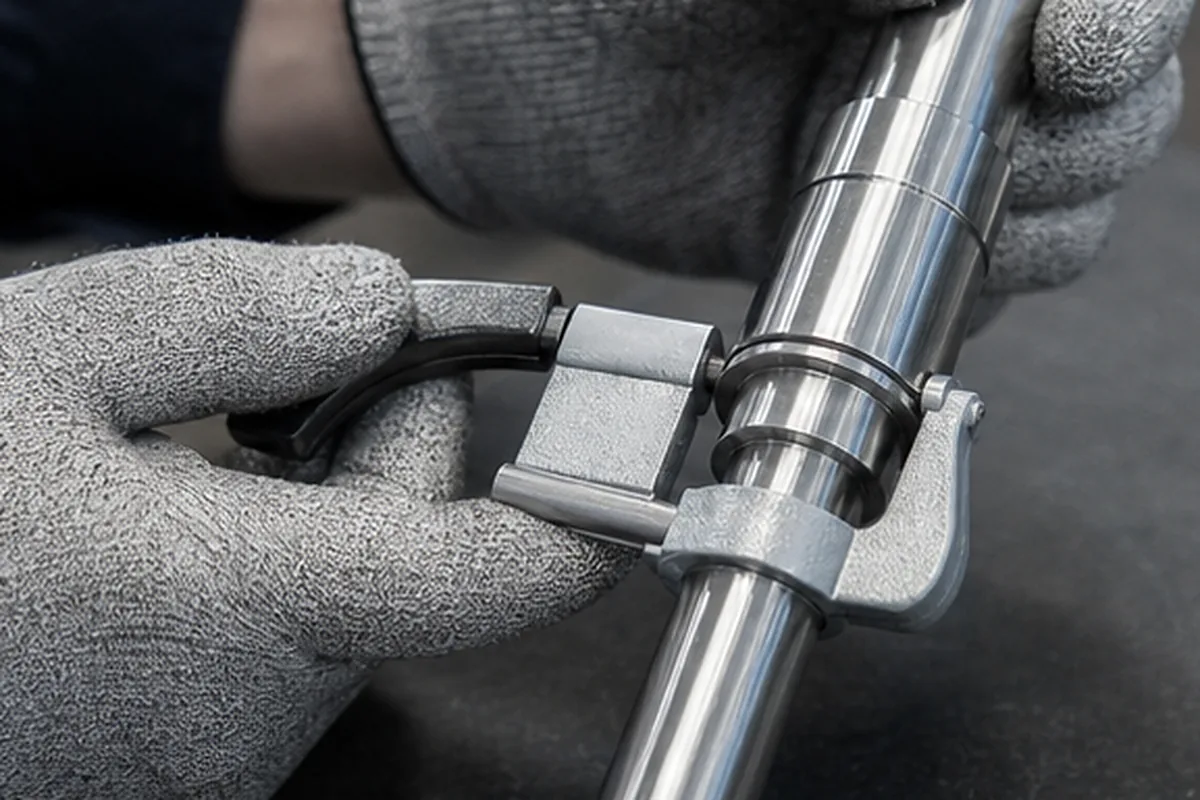
How We Control the Buyer Risk in How to Compare CNC Machining Quotes Correctly
A useful supplier solution for How to Compare CNC Machining Quotes Correctly starts when buyers can overpay or lose datum consistency when a process is chosen from a machine label instead of the part geometry. Because unnecessary setups or an unjustified high-end route can add cost without improving the functional result, our project review compares rotational versus prismatic geometry, feature access, datum relationships, workholding, batch size and measurement access before selecting milling, turning or a combined route. That approach helps the buyer avoid paying for the wrong process and lowers the chance of discovering a critical issue after machining or finishing.
For the How to Compare CNC Machining Quotes Correctly buying decision, our review needs the 2D drawing and 3D model, overall size, material state, critical datums and tolerances, quantity, finish and inspection documents. We record assumptions, approval points and evidence requirements before the quotation becomes the production baseline.