

Material Cost Drivers
How Material Hardness Affects CNC Machining Cost
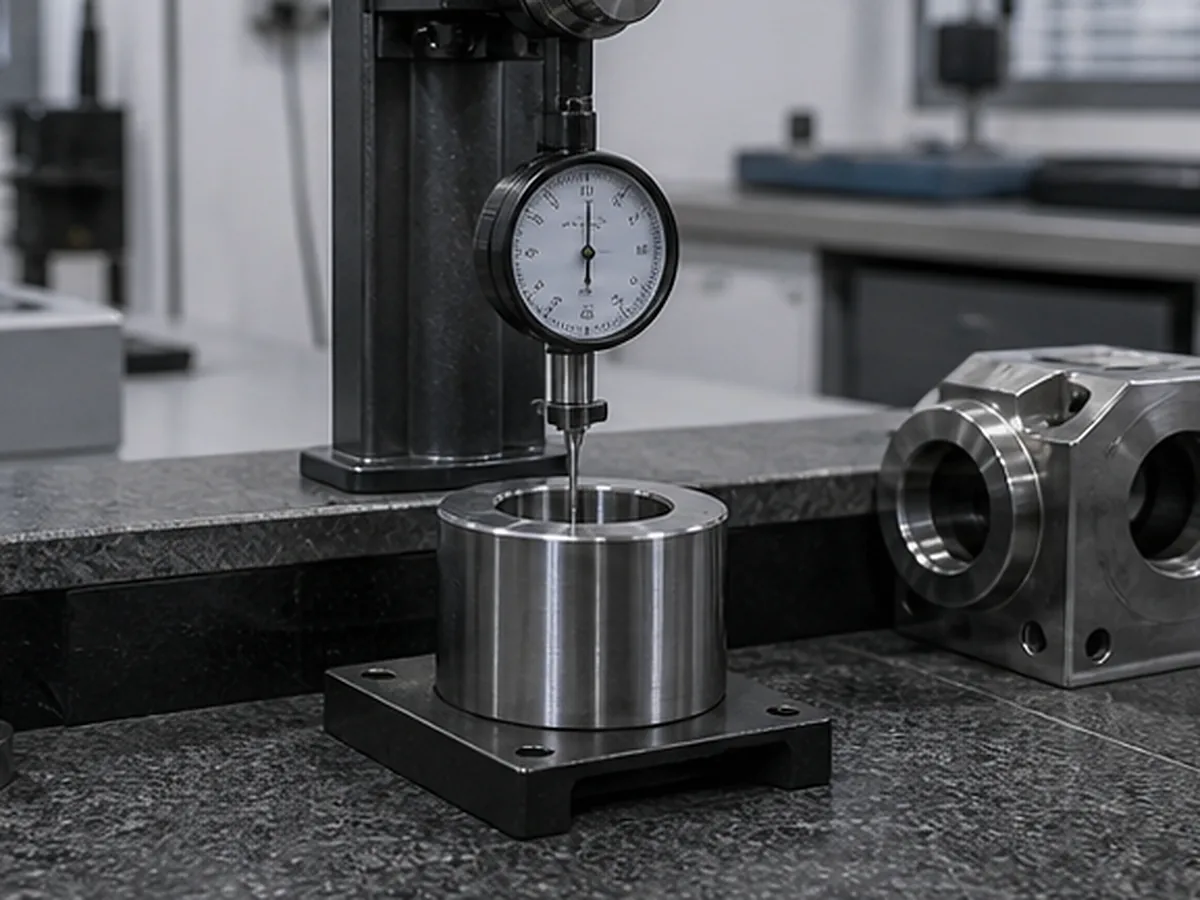
Use material hardness together with alloy chemistry, microstructure, stock condition, work-hardening tendency, geometry, tolerance and heat-treatment sequence when estimating CNC machining cost. Harder stock can lower cutting speed and increase tool or finishing effort, but hardness alone does not determine price.
Engineering Selection Method
- Specify the exact grade and incoming condition.
- Identify final hardness and where it is required.
- Compare machine-before-heat-treat with finish-after-heat-treat routes.
- Review tool access, rigidity and surface requirement.
- Plan distortion control and post-treatment inspection.
Common Buyer and Drawing Mistakes
- Using a generic hardness value for an unspecified condition
- Requiring final tight tolerance before heat treatment
- Assuming harder always means stronger in the needed failure mode
- Ignoring certificate and hardness-test requirements
Information Required for a Useful Quote
Provide the exact material grade, condition, governing standard, permitted product form, certificate/traceability needs, quantity, geometry, final finish and service constraints. Availability and machining route remain subject to project review.
Validation Boundary
Published property values are screening information and vary by grade, form, test condition and supplier. The buyer must validate the final material against the product’s load, environment and compliance requirements.
How We Reduce Sourcing and Manufacturing Risk for How Material Hardness Affects CNC Machining Cost
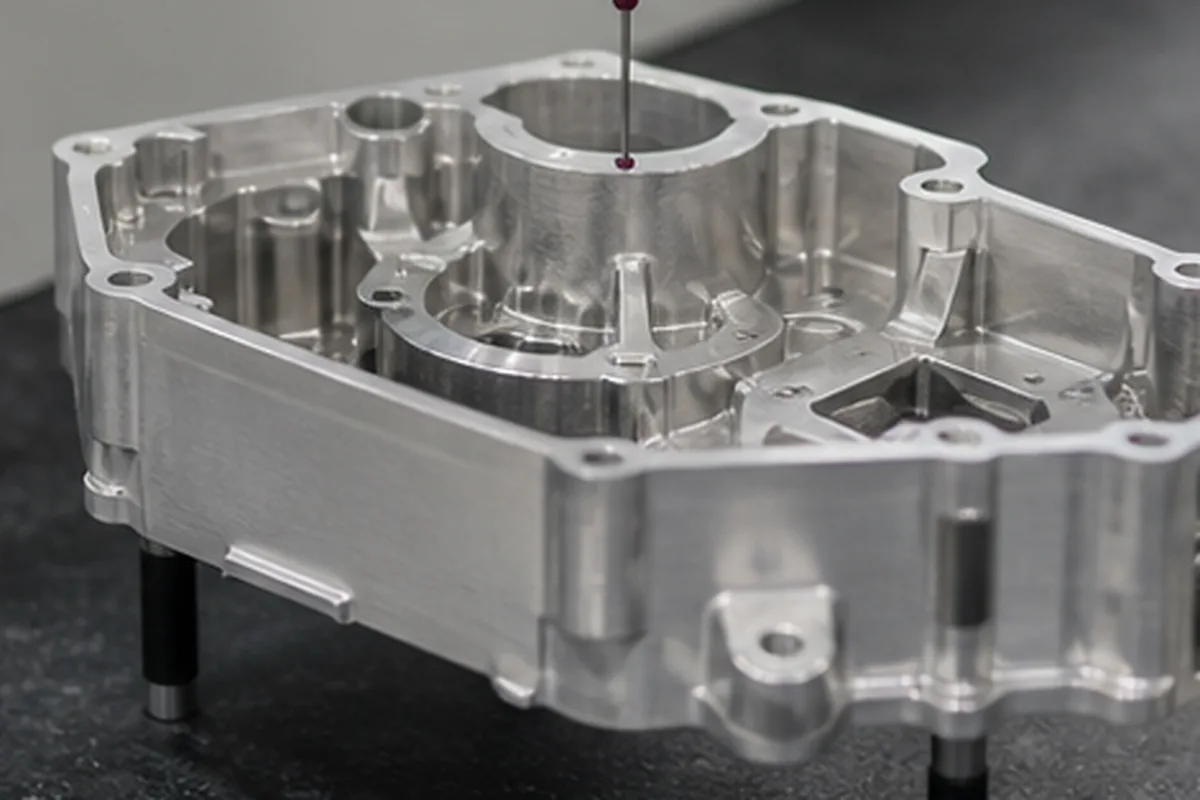
A useful supplier solution for How Material Hardness Affects CNC Machining Cost starts when buyers can overpay or lose datum consistency when a process is chosen from a machine label instead of the part geometry. Because unnecessary setups or an unjustified high-end route can add cost without improving the functional result, our project review compares rotational versus prismatic geometry, feature access, datum relationships, workholding, batch size and measurement access before selecting milling, turning or a combined route. That approach helps the buyer avoid paying for the wrong process and lowers the chance of discovering a critical issue after machining or finishing.
For the How Material Hardness Affects CNC Machining Cost buying decision, our review needs the 2D drawing and 3D model, overall size, material state, critical datums and tolerances, quantity, finish and inspection documents. We record assumptions, approval points and evidence requirements before the quotation becomes the production baseline.
Specify How Material Hardness Affects CNC Machining Cost Before Quotation
For How Material Hardness Affects CNC Machining Cost, state the exact material designation, governing standard and condition or temper; the family name alone is not enough. Include stock form, hardness or heat-treatment state, certificate and lot-traceability needs, and whether substitutions require written approval.
- Provide the controlling 2D drawing, 3D CAD model, part number and revision.
- Identify functional dimensions, datum-based GD&T, threads and surface-roughness locations.
- Define heat treatment, finish specification, masking, dimensional compensation and appearance zones.
- State prototype quantity, annual demand, inspection records, packaging, destination, target date, NDA needs and the DFM changes the buyer may consider.
Use the complete CNC RFQ checklist before requesting price and lead time.