

Drawing Quality
10 Common CNC Machining Drawing Mistakes—and How to Fix Them
The most costly CNC drawing mistakes are conflicting revisions, undefined datums, blanket tight tolerances, incomplete threads, ambiguous finish requirements and missing inspection conditions. They cause supplier assumptions, quotation delays and inconsistent acceptance. Fix them before RFQ by making one controlled drawing clearly state what must be made, measured and documented.
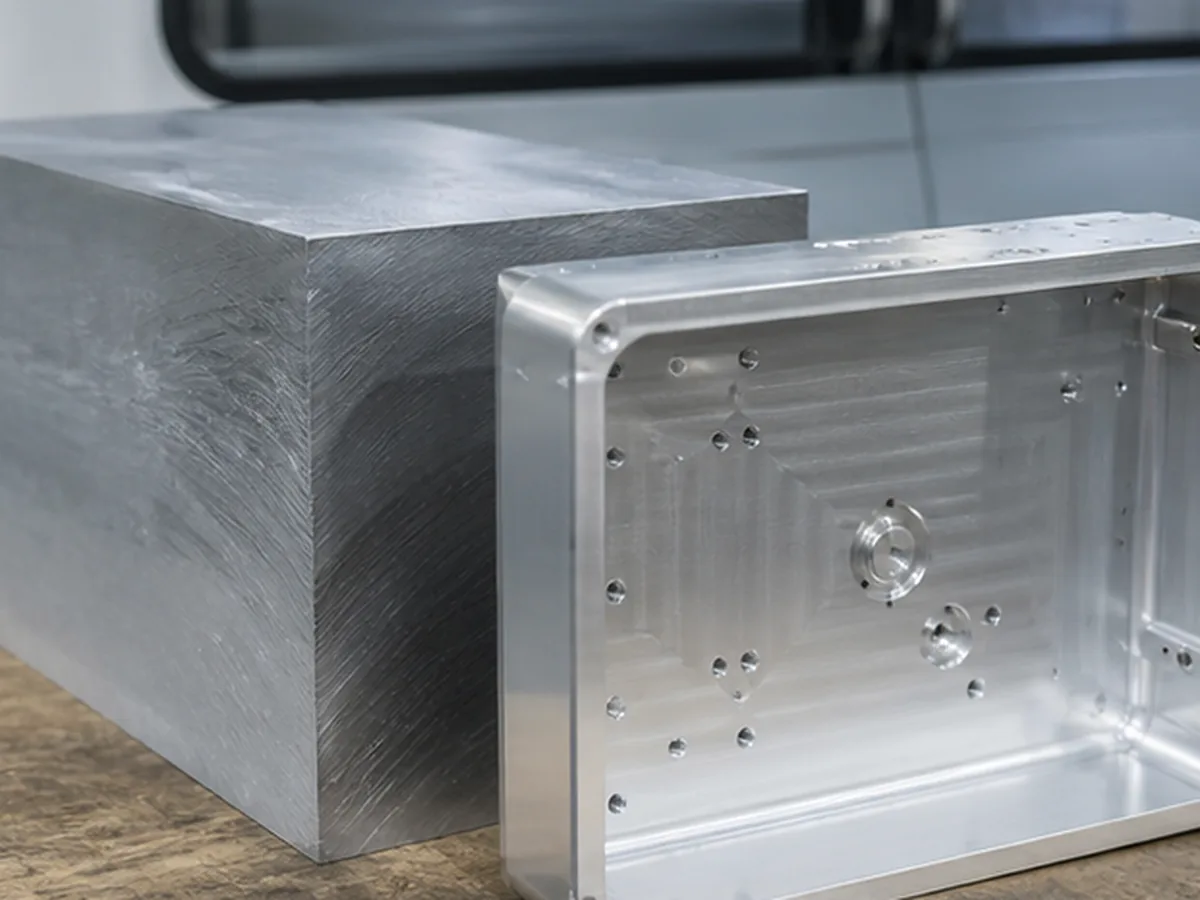
1. The 2D Drawing and 3D Model Do Not Match
Impact: the supplier cannot know which geometry controls. Fix: use the same part number and revision, identify the governing document and highlight revision changes.

2. Datums Do Not Represent Assembly
Impact: the part can pass inspection but fail to align in use. Fix: choose stable, accessible features that establish the part in its functional assembly sequence.
3. Every Dimension Has a Tight Tolerance
Impact: extra machining and inspection are applied to noncritical geometry. Fix: use a realistic general tolerance and tighten only functional characteristics.
4. Dimensions and GD&T Control the Same Feature Twice
Impact: requirements may conflict or create an unintended acceptance zone. Fix: define basic dimensions and geometric control consistently; have a qualified drawing reviewer check the scheme.
5. Threads Are Incomplete
Impact: pitch, class, handedness, depth or engagement may be guessed. Fix: state the full thread designation, usable thread depth, blind/through condition and any gauge requirement.
6. Surface Roughness Is Applied Everywhere
Impact: hidden and non-functional faces receive unnecessary finishing. Fix: identify sealing, bearing, sliding and cosmetic surfaces locally; leave others under a suitable default.
7. Finish Is Named but Not Defined
Impact: thickness, masking, color and post-finish dimensions remain open. Fix: specify process standard/type, thickness, color reference, masked zones, cosmetic criteria and required certificates.
8. Edge Requirements Are Ambiguous
Impact: “break all edges” can conflict with sealing edges, sharp functional features or cosmetic chamfers. Fix: define default edge break and call out exceptions with measurable values.
9. Measurement Condition Is Missing
Impact: thin, flexible, plastic or thermally sensitive parts produce inconsistent results. Fix: define free-state/restraint, support, temperature and measurement method when they affect acceptance.
10. Inspection and Documentation Are Requested Too Late
Impact: material traceability or process evidence may not be recoverable after production. Fix: state FAI, CMM, material certificate, finish certificate, CoC and retention requirements in the RFQ and purchase order.
Five-Minute Release Check
- One current revision is unmistakably identified.
- Material includes alloy, condition and applicable standard.
- Datums and critical features match assembly function.
- Threads, roughness, finish and edges are complete.
- Post-process dimensions and masking are clear.
- Inspection, reporting and acceptance conditions are stated.
- Notes do not conflict with feature-level callouts.
What a Supplier Should Do With an Ambiguous Drawing
The supplier should issue a documented question or assumption before manufacturing rather than silently choose an interpretation. Formexi’s review can flag manufacturability and clarity issues, but design authority and final requirement approval remain with the buyer.
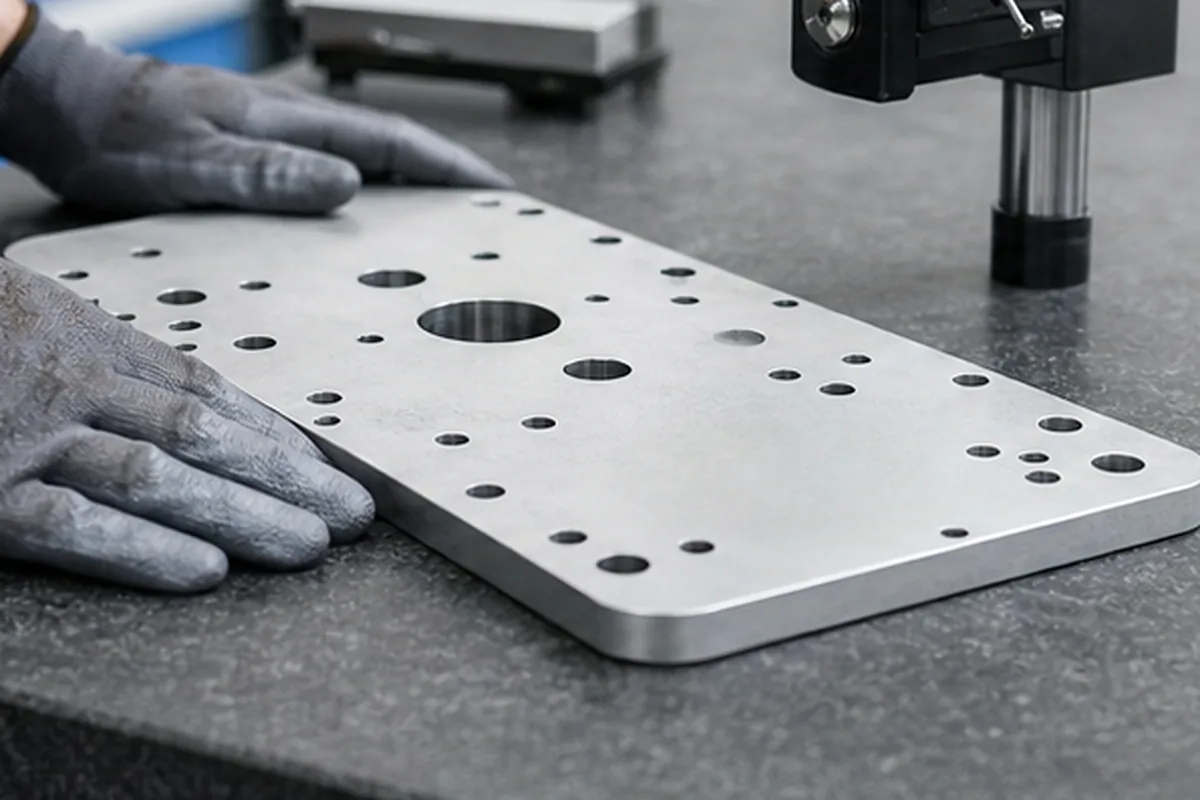
How We Control the Buyer Risk in 10 Common CNC Machining Drawing Mistakes—and How to Fix Them
A useful supplier solution for 10 Common CNC Machining Drawing Mistakes—and How to Fix Them starts when buyers can overpay or lose datum consistency when a process is chosen from a machine label instead of the part geometry. Because unnecessary setups or an unjustified high-end route can add cost without improving the functional result, our project review compares rotational versus prismatic geometry, feature access, datum relationships, workholding, batch size and measurement access before selecting milling, turning or a combined route. That approach helps the buyer avoid paying for the wrong process and lowers the chance of discovering a critical issue after machining or finishing.
For the 10 Common CNC Machining Drawing Mistakes—and How to Fix Them buying decision, our review needs the 2D drawing and 3D model, overall size, material state, critical datums and tolerances, quantity, finish and inspection documents. We record assumptions, approval points and evidence requirements before the quotation becomes the production baseline.