

Metal Selection
Brass vs Aluminum for CNC Machined Parts
Choose aluminum for low mass, broad alloy options, thermal performance and anodized finishes; choose brass for machinability, density, electrical/thermal behavior, wear or corrosion characteristics appropriate to the selected grade. Compare the complete part function, not material price per kilogram alone. Specify the governing process type or class, thickness or dimensional effect, masking and acceptance criteria for the actual project.
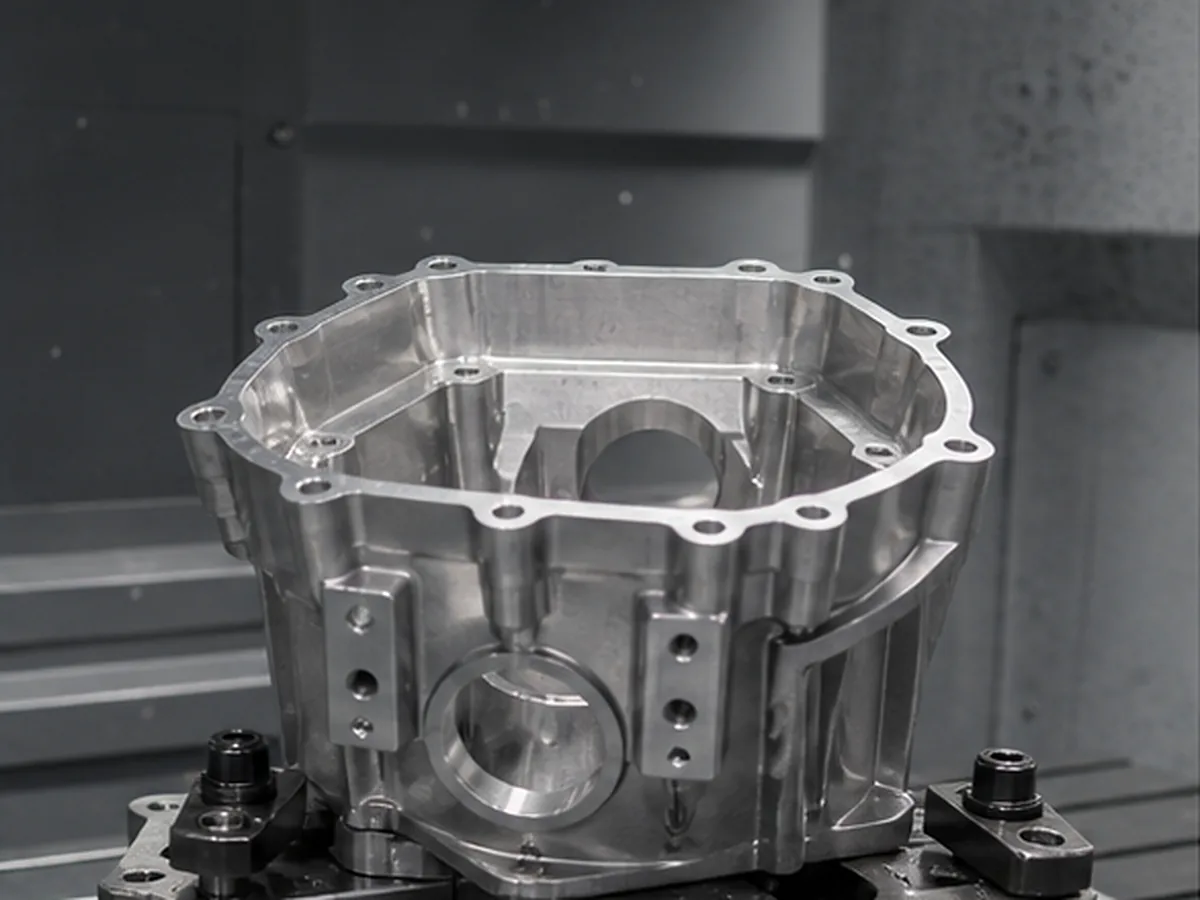
Compare Conductivity, Mass, Strength, Corrosion and Finish
- Define mass, strength, conductivity and corrosion priorities.
- Select a specific aluminum and brass grade.
- Compare stock cost with machining time and scrap value.
- Review thread, bearing and mating-metal behavior.
- Choose compatible finish and environmental controls.
Avoid Freezing Brass or Aluminum Before Functional Requirements
- Treating all brass as lead-free or compositionally equivalent
- Selecting by density without structural calculation
- Ignoring galvanic contact and service fluids
- Comparing raw material price without machining yield
Information Required for a Useful Quote
Provide the exact material grade, condition, governing standard, permitted product form, certificate/traceability needs, quantity, geometry, final finish and service constraints. Availability and machining route remain subject to project review.
Validation Boundary
Published property values are screening information and vary by grade, form, test condition and supplier. The buyer must validate the final material against the product’s load, environment and compliance requirements.

How We Reduce Sourcing and Manufacturing Risk for Brass vs Aluminum for CNC Machined Parts
A useful supplier solution for Brass vs Aluminum for CNC Machined Parts starts when light-alloy parts can distort after heavy stock removal and can be marked during machining, finishing or packing. Because scratches, released stress, thin-wall movement and finish variation can delay assembly approval, our project review reviews temper and stock form, balances material removal, controls support and handling, and links anodize or conversion-coating allowance to the critical dimensions. That approach helps the buyer avoid paying for the wrong process and lowers the chance of discovering a critical issue after machining or finishing.
For the Brass vs Aluminum for CNC Machined Parts buying decision, our review needs the exact alloy and temper, stock direction, wall and pocket geometry, cosmetic zones, post-finish fits, quantity and inspection condition. We record assumptions, approval points and evidence requirements before the quotation becomes the production baseline.
Apply Brass vs Aluminum for CNC Machined Parts to the Buyer Decision
For Brass vs Aluminum for CNC Machined Parts, use the controlling 2D drawing and 3D model to define part number and revision, material and condition, quantity and annual demand, critical tolerances and GD&T, roughness, heat treatment, surface finish, inspection documents, packaging, delivery address and target date. Identify confidentiality restrictions and which DFM changes may be considered for this part.
Price and lead time can be confirmed only after geometry, material availability, programming, workholding, external processes, inspection effort, first-article approval and logistics are reviewed together.
Check the complete RFQ inputs before supplier comparison.