

Dimensional Stability
How to Reduce Distortion in CNC Machined Parts
Use material condition, balanced stock removal, workholding, cutting sequence, heat control and post-processing limits to reduce distortion in CNC machined parts. Thin walls, large pockets, long shafts, plastics and heat-treated components also need an agreed free-state or restrained measurement condition; final inspection alone cannot stabilize the part.
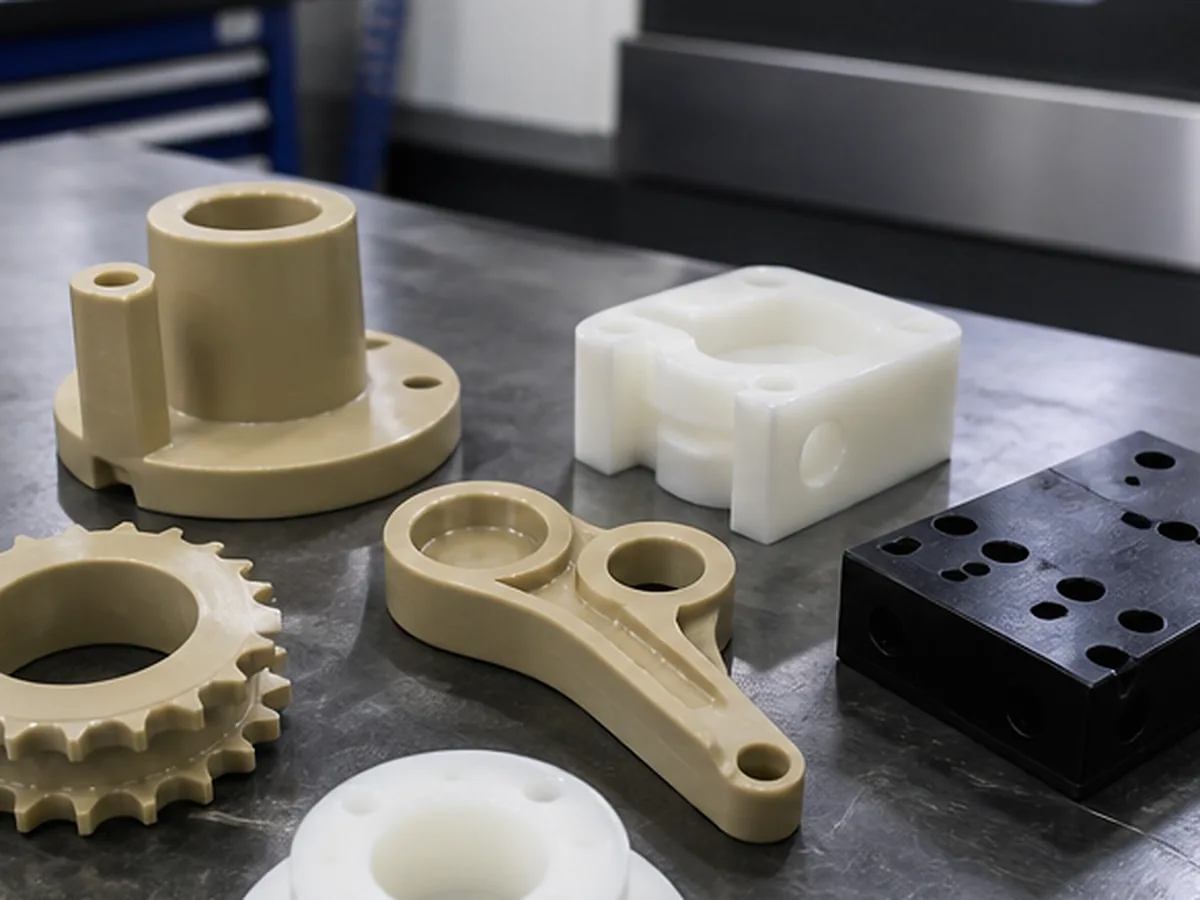
Main Causes of Distortion
| Cause | Typical symptom |
|---|---|
| Residual stress | Part moves after roughing or release from fixture |
| Clamping force | Part measures correctly while held and changes when released |
| Cutting heat/force | Local bow, taper or wall deflection |
| Heat treatment | Flatness, size, straightness or hardness variation |
| Coating/finishing | Movement, edge change or dimensional buildup |
| Plastic conditioning | Size changes with temperature, moisture or time |
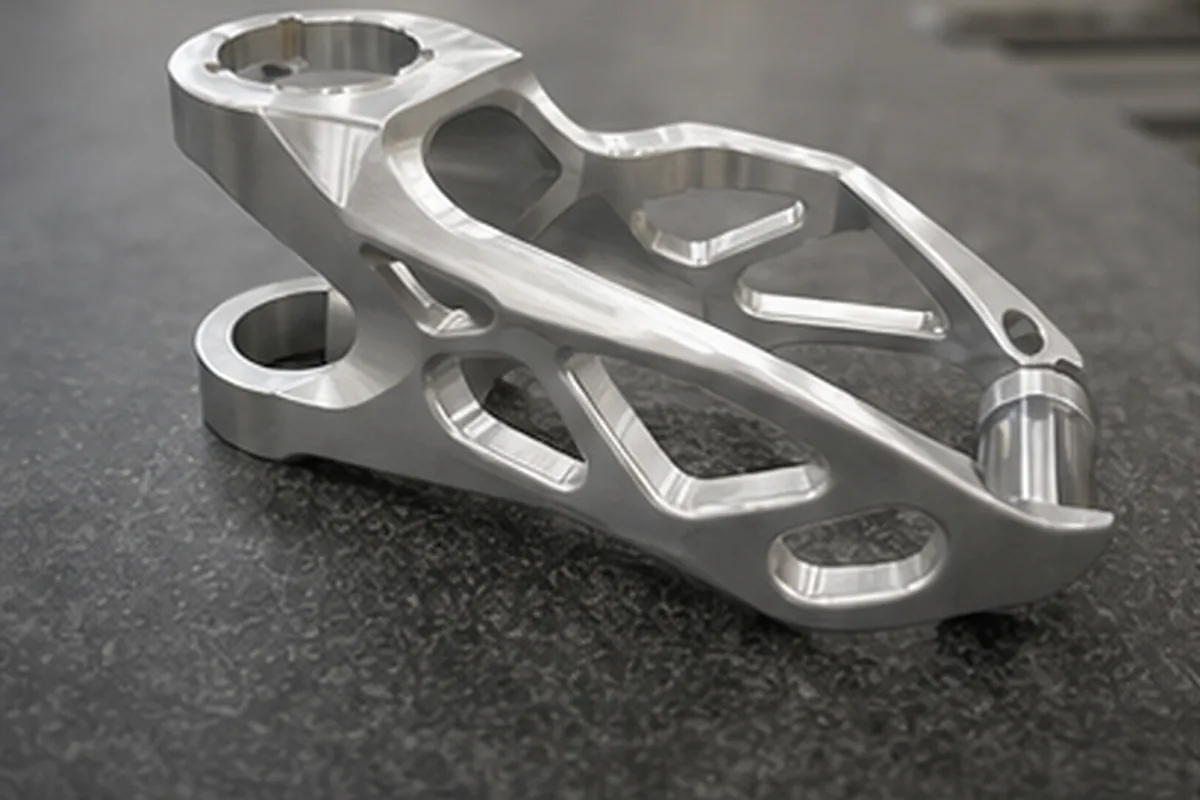
Design Actions
- Keep wall and section changes gradual and balanced.
- Add ribs and support near critical datums.
- Avoid removing most stock from one side.
- Relax nonfunctional flatness and profile controls.
- Select stable stock form and condition.
- Separate highly unstable geometry into an assembly where appropriate.
Process Actions
Possible controls include balanced roughing, rest periods, stress relief, multiple setups, soft clamping, temporary supports, finish allowance, grinding after heat treatment and controlled temperature. These controls add cost and must be justified by function.
Measure in a Defined State
Specify free-state, restrained or assembled inspection, temperature and conditioning time. For flexible parts, an undefined measurement state can create disagreement even when both parties use calibrated equipment.
What Data Helps Diagnose a Failure
Record stock condition, process stage, fixture state, temperature, time after machining, finishing and measurement setup. “The part is warped” without this data does not identify the cause.
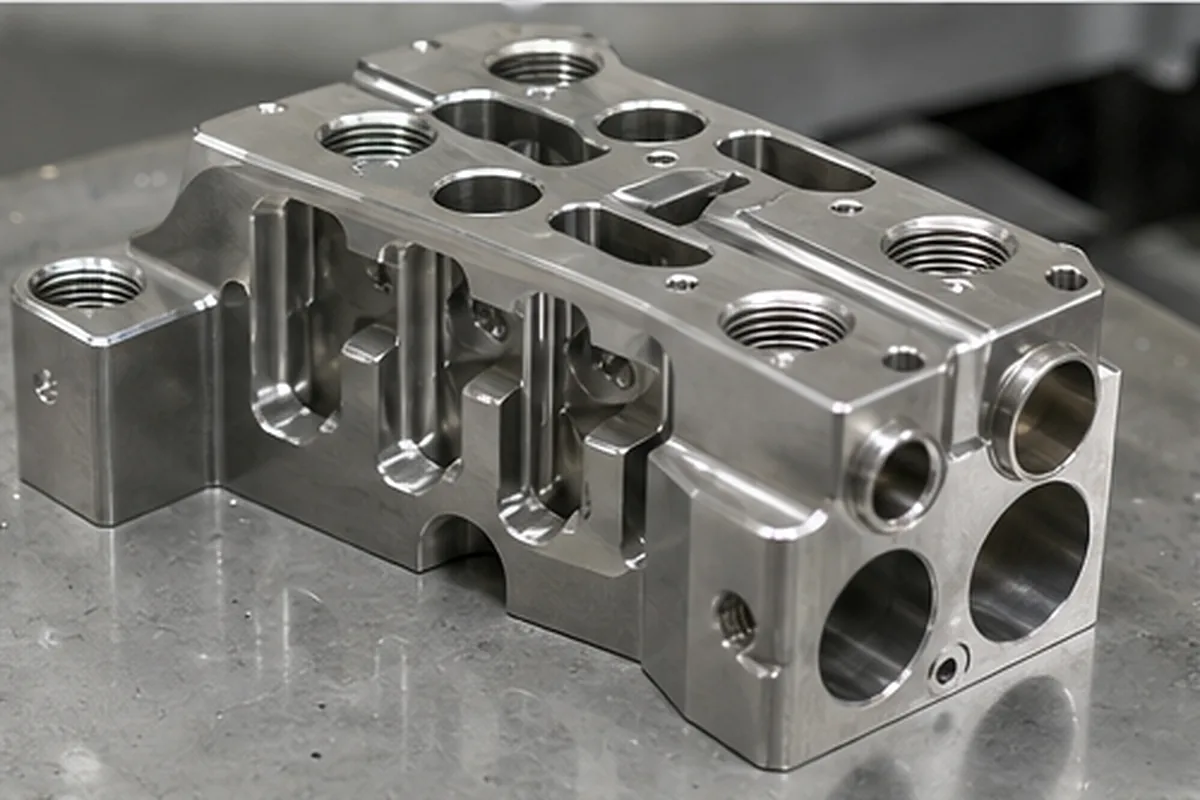
How We Reduce Sourcing and Manufacturing Risk for How to Reduce Distortion in CNC Machined Parts
When thin or flexible geometry can move during clamping, stock removal, heat treatment or measurement, a part may pass while restrained and fail after release or during assembly. For How to Reduce Distortion in CNC Machined Parts, our engineering and quotation review reviews stock condition, support points, cutting sequence, datum transfer and the free-state or restrained inspection condition before fixing the route. This helps reduce rework, approval delays and avoidable purchasing cost without turning a screening assumption into a capability guarantee.
For the How to Reduce Distortion in CNC Machined Parts buying decision, we confirm the route only after reviewing wall height and span, material condition, datums, functional tolerance, assembly support, finish sequence and measurement condition. Any unresolved item is listed as an RFQ clarification so the buyer can compare scope, evidence, price and lead time on the same basis.
Apply Reduce Distortion in CNC Machined Parts to the Buyer Decision
For Reduce Distortion in CNC Machined Parts, use the controlling 2D drawing and 3D model to define part number and revision, material and condition, quantity and annual demand, critical tolerances and GD&T, roughness, heat treatment, surface finish, inspection documents, packaging, delivery address and target date. Identify confidentiality restrictions and which DFM changes may be considered for this part.
Price and lead time can be confirmed only after geometry, material availability, programming, workholding, external processes, inspection effort, first-article approval and logistics are reviewed together.
Check the complete RFQ inputs before supplier comparison.