

Copper Alloys
Copper and Brass CNC Machining for Conductive and Precision Parts
Formexi evaluates copper, brass and bronze parts for electrical, thermal, sealing, bearing and corrosion-related applications. Alloy selection matters: free-machining brass, high-conductivity copper and wear-resistant bronze require different tooling, burr control, finishing and inspection.
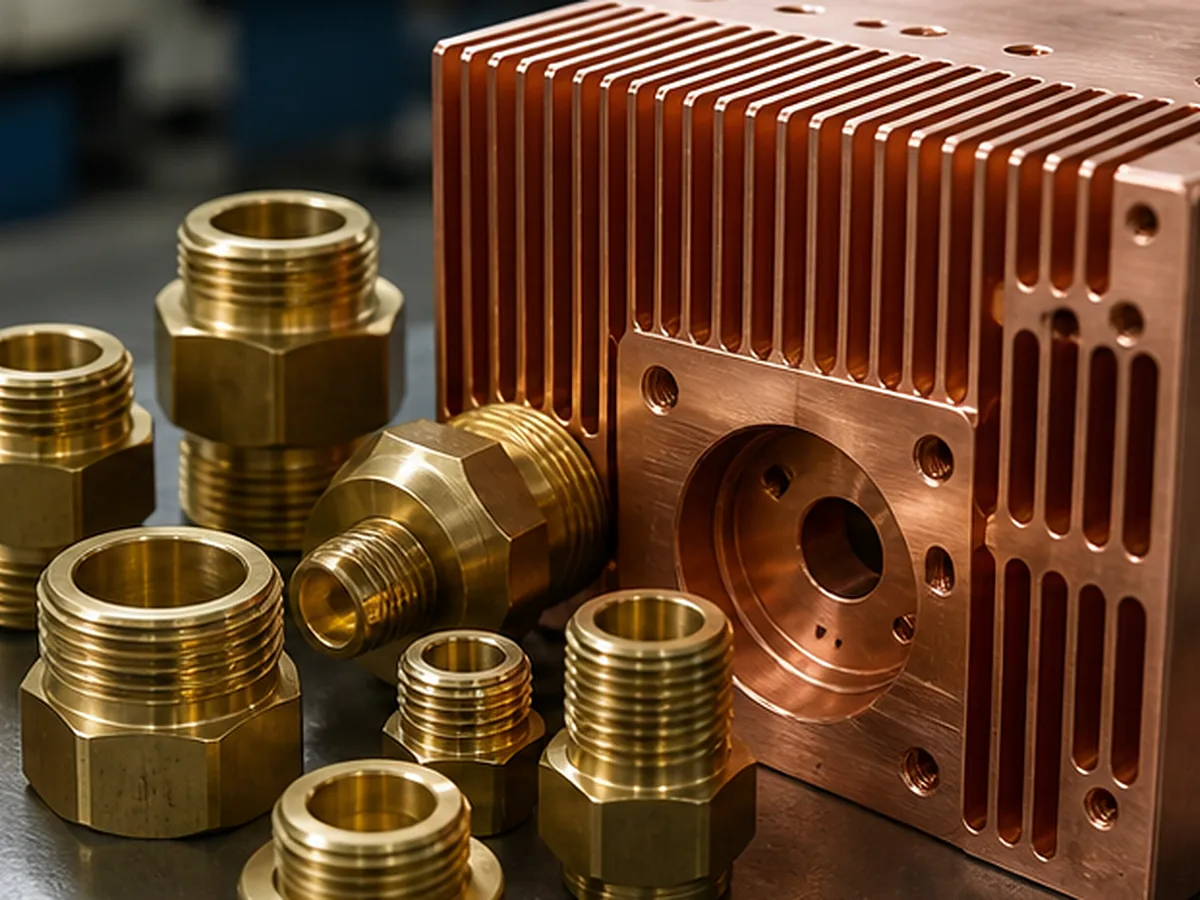
Choose the Alloy by Function
| Material | Common priority | Machining concern |
|---|---|---|
| C360 brass | Machinability and detailed turned/milled features | Lead/compliance requirements and exact alloy standard |
| C110 copper | Electrical and thermal conductivity | Softness, heat, burrs and cosmetic damage |
| C101 copper | Higher-purity conductivity requirements | Source certification and application standard |
| Bronze | Wear, bearing or marine-related service | Grade-specific strength, lubrication and corrosion behavior |
Copper Is Not Machined Like Brass
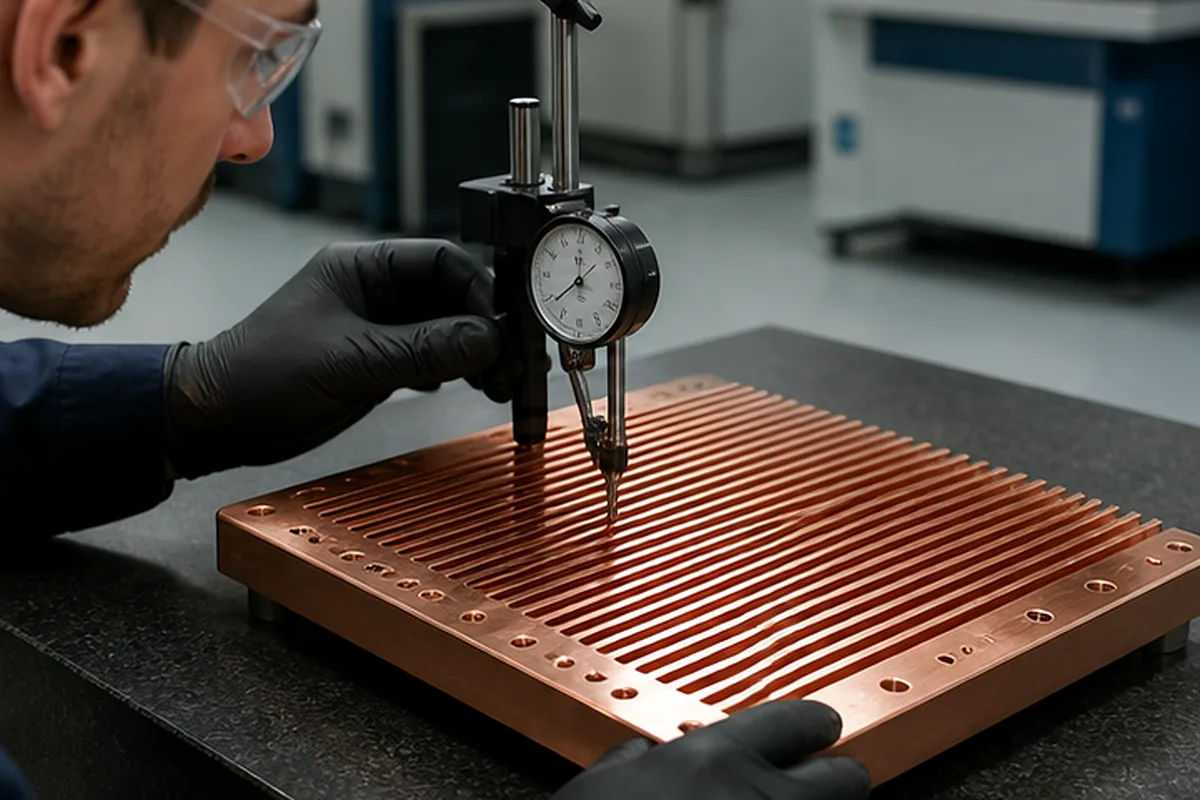
Many brasses break chips readily, while pure copper can be soft, ductile and prone to built-up edge or burrs. Thermal conductivity changes heat behavior but does not automatically make machining easy. Tool geometry, engagement and handling must suit the specific grade.
Electrical and Thermal Surfaces
Contact faces, threaded joints and heat-transfer surfaces should identify flatness, roughness, plating and cleanliness. Cosmetic scratches may be functionally harmless but unacceptable for exposed parts, so appearance zones must be marked.
Finishing
Options may include as-machined, polishing, brushing, nickel/tin or other project-specific plating, passivation-like protective treatments where applicable, and marking. Plating thickness changes mating dimensions and electrical contact behavior.
Compliance and Material Grade
Some brass alloys contain lead. RoHS, REACH, potable-water, food-contact or customer restrictions must be stated before material purchase. Formexi does not assume one brass grade can replace another.
Standards and Regulatory Sources Used on This Page
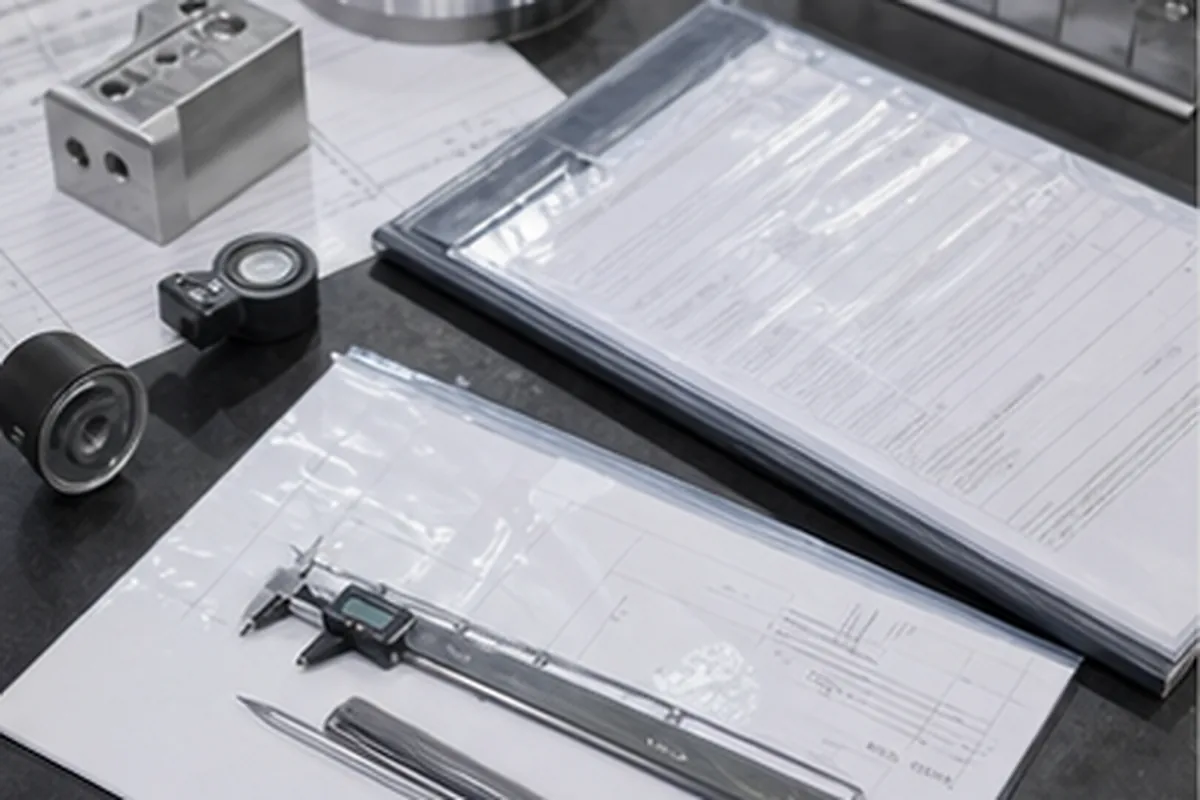
For Copper and Brass CNC Machining for Conductive and Precision Parts, these primary sources define the scope of cited standards or regulations. They do not prove Formexi certification, a customer approval or project compliance; those require current, scope-matched records.
Specify Copper and Brass CNC Machining for Conductive and Precision Parts Before Quotation
For Copper and Brass CNC Machining for Conductive and Precision Parts, state the exact material designation, governing standard and condition or temper; the family name alone is not enough. Include stock form, hardness or heat-treatment state, certificate and lot-traceability needs, and whether substitutions require written approval.
- Provide the controlling 2D drawing, 3D CAD model, part number and revision.
- Identify functional dimensions, datum-based GD&T, threads and surface-roughness locations.
- Define heat treatment, finish specification, masking, dimensional compensation and appearance zones.
- State prototype quantity, annual demand, inspection records, packaging, destination, target date, NDA needs and the DFM changes the buyer may consider.
Use the complete CNC RFQ checklist before requesting price and lead time.
Select Copper Alloy From the Functional Requirement
Send conductivity, temperature, load, compliance, finish and dimensional requirements.