

304 Stainless Steel
304 Stainless Steel CNC Machining for General Corrosion Resistance
304 and 304L are common choices for machined housings, brackets, fittings and equipment components requiring general corrosion resistance and a clean surface. They are not universal solutions for chloride-rich, high-temperature or high-wear service, so the operating environment must be reviewed.
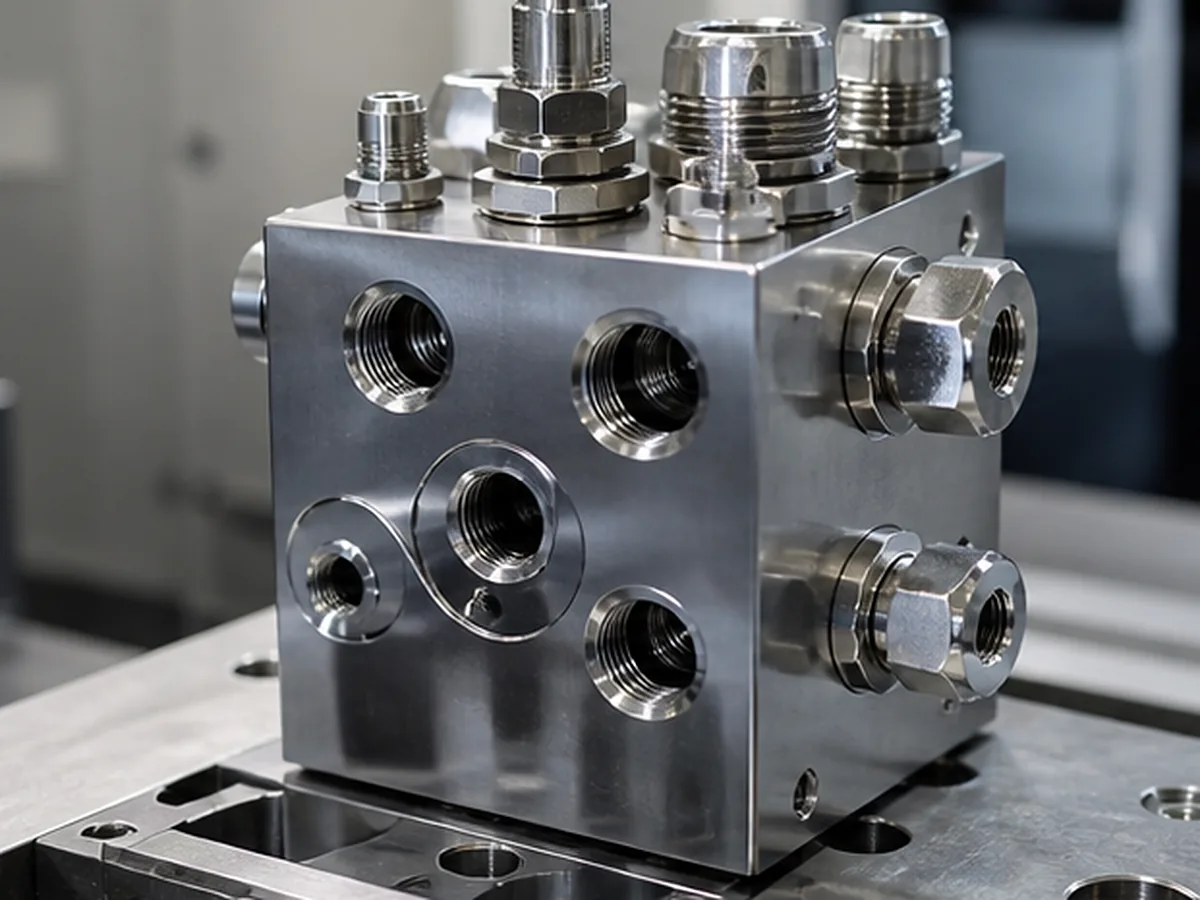
When 304 Is Commonly Considered
- General industrial equipment exposed to moisture
- Housings, mounts, fittings and structural components
- Parts requiring passivation, brushing or polishing
- Applications where corrosion resistance is more important than free-machining speed
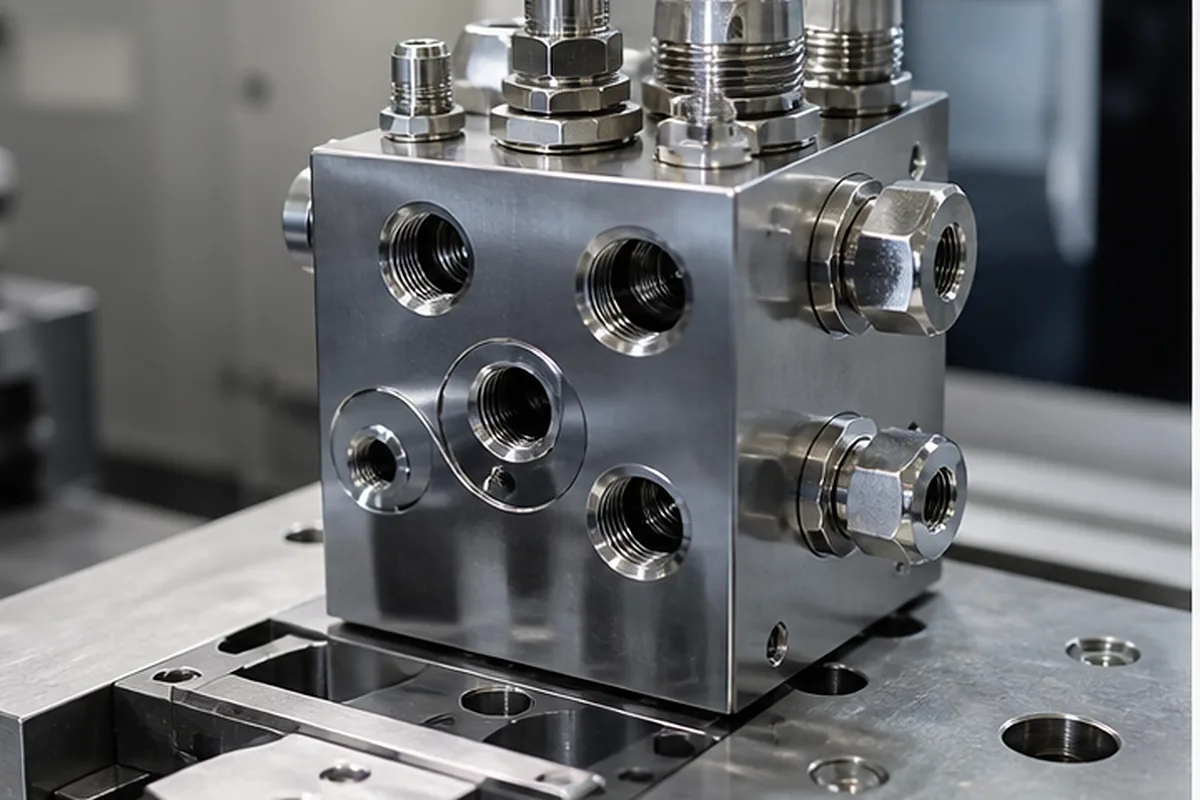
When 304 May Not Be Enough
304 can pit or crevice-corrode in chloride-rich environments. 316L may be evaluated for improved resistance, but no grade should be selected from the label “marine” alone. Concentration, temperature, cleaning, crevices and expected service life matter.
Machining Considerations
| Issue | Process response |
|---|---|
| Work hardening | Maintain effective cutting engagement and avoid rubbing. |
| Heat | Use appropriate tooling, cutting conditions and coolant strategy. |
| Burrs | Define edge condition and inspect threads/holes after deburring. |
| Thin-wall movement | Review clamping, sequence and final measurement condition. |
304 Versus 304L
The lower-carbon 304L variant is often considered where welding and sensitization are relevant. The drawing should identify the exact grade and governing standard; Formexi does not substitute 304 and 304L without approval.
Finishing and Inspection
As-machined, passivated, bead-blasted, brushed and polished finishes may be considered. Define grain direction, cosmetic surfaces, roughness and passivation standard. Material certificates and finish records should be requested before ordering.
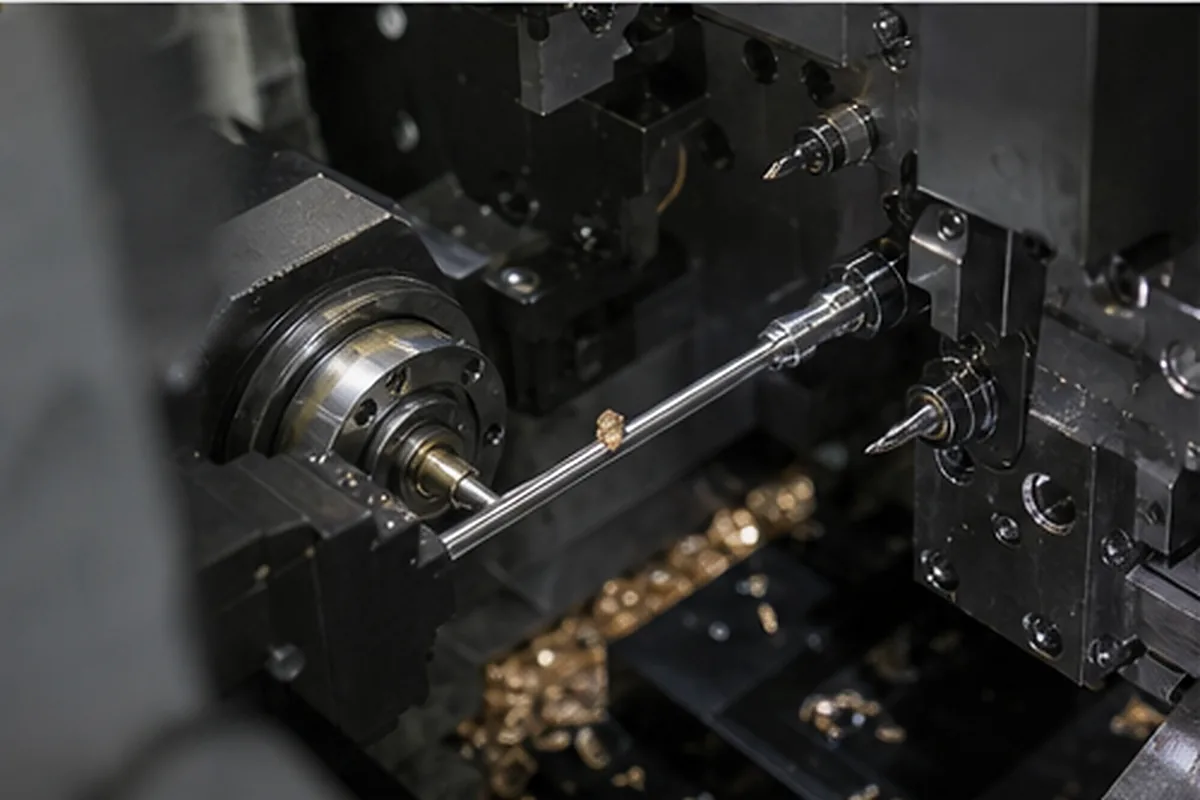
From 304 Stainless Steel CNC Machining for General Corrosion Resistance Requirements to a Controlled Manufacturing Plan
A useful supplier solution for 304 Stainless Steel CNC Machining for General Corrosion Resistance starts when stainless parts can combine work hardening, tool wear, burrs, heat and surface-finish requirements. Because an unstable cutting or deburring route can move critical sizes and leave assembly or cleanliness problems, our project review reviews grade and condition, keeps tools engaged with a controlled sequence, plans burr access, and separates machining, specified heat treatment and passivation stages, including the governing standard, masking and final dimensional acceptance. That approach helps the buyer avoid paying for the wrong process and lowers the chance of discovering a critical issue after machining or finishing.
For the 304 Stainless Steel CNC Machining for General Corrosion Resistance buying decision, our review needs the stainless grade and condition, hardness, critical edges and threads, roughness, heat treatment, passivation specification and inspection scope. We record assumptions, approval points and evidence requirements before the quotation becomes the production baseline.
Specify 304 Stainless Steel CNC Machining for General Corrosion Resistance Before Quotation
For 304 Stainless Steel CNC Machining for General Corrosion Resistance, state the exact material designation, governing standard and condition or temper; the family name alone is not enough. Include stock form, hardness or heat-treatment state, certificate and lot-traceability needs, and whether substitutions require written approval.
- Provide the controlling 2D drawing, 3D CAD model, part number and revision.
- Identify functional dimensions, datum-based GD&T, threads and surface-roughness locations.
- Define heat treatment, finish specification, masking, dimensional compensation and appearance zones.
- State prototype quantity, annual demand, inspection records, packaging, destination, target date, NDA needs and the DFM changes the buyer may consider.
Use the complete CNC RFQ checklist before requesting price and lead time.
Check Whether 304 Fits the Environment
Provide exposure conditions, grade, finish, quantity and critical requirements.