

Structural Components
CNC Machined Precision Brackets and Mounting Components
Formexi machines custom brackets for automation, robotics, sensors, motors and industrial equipment. A bracket is only “precision” where mounting faces, hole positions, angles, stiffness and assembly datums are defined and inspected against the functional requirement.
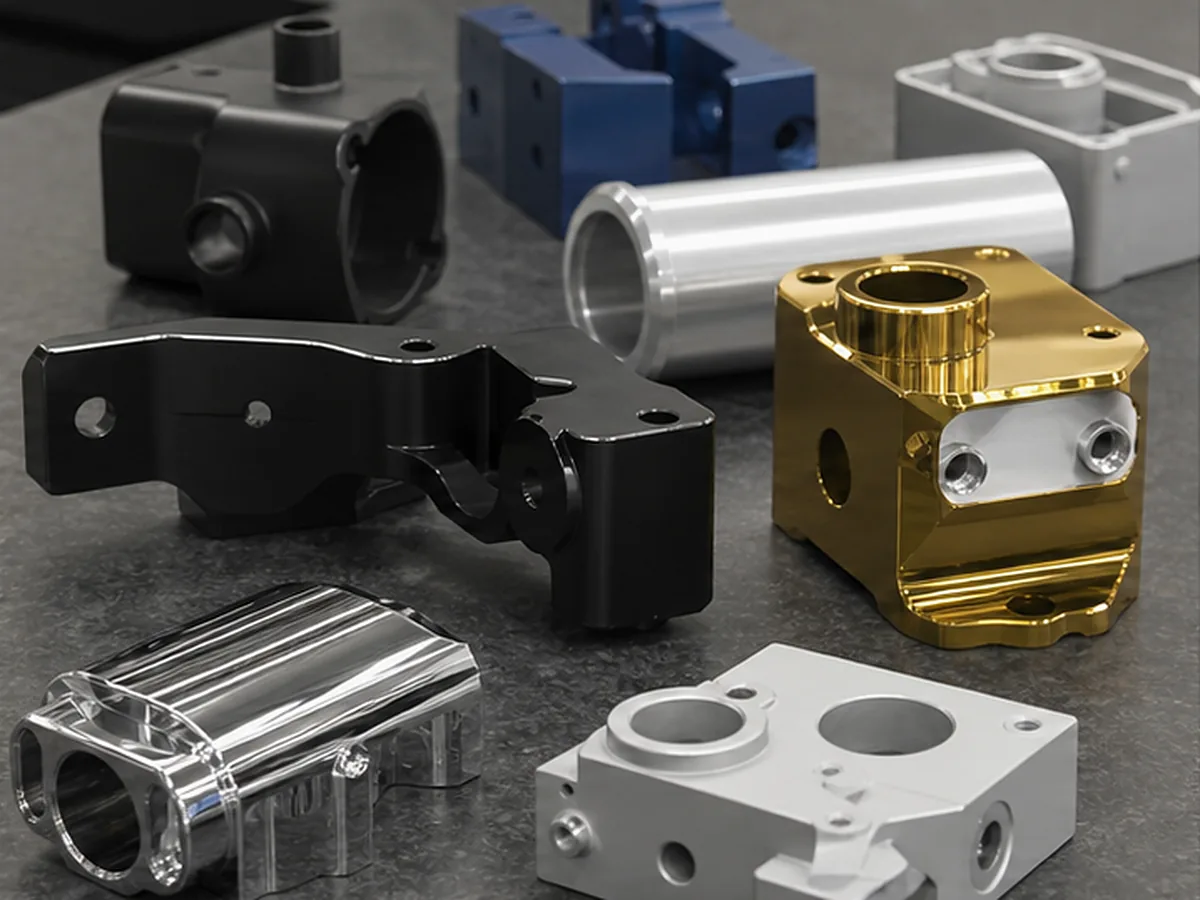
Critical Bracket Requirements
| Feature | Why it matters |
|---|---|
| Mounting-hole pattern | Controls assembly position and interchangeability. |
| Perpendicular/angled faces | Controls component alignment. |
| Base flatness | Affects rocking, stress and assembly repeatability. |
| Wall/rib stiffness | Affects load and machining distortion. |
| Thread engagement | Affects fastening and service life. |
Material Selection
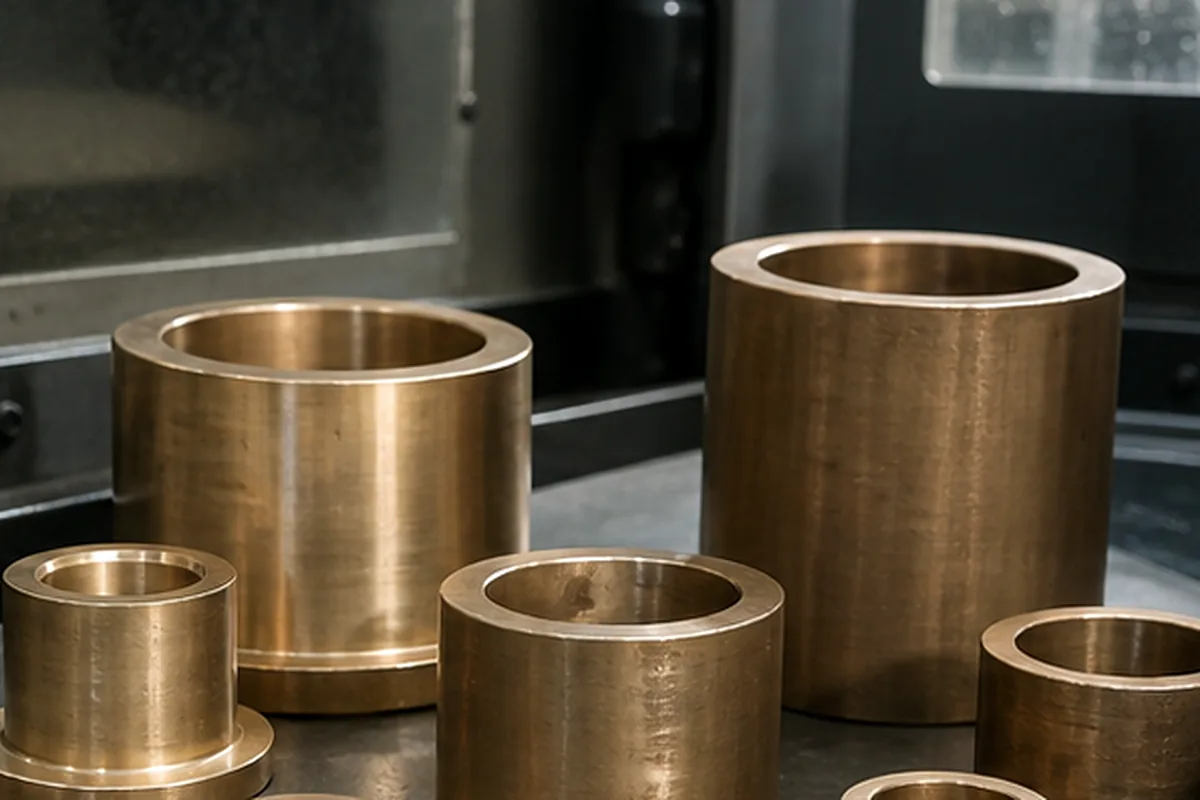
6061 aluminum fits many general lightweight brackets; 7075 may suit higher load with corrosion/finish review; steel offers stiffness and strength; stainless steel supports selected corrosive environments; engineering plastics suit insulation or light duty. Load and fastening determine the choice.
Machined From Billet or Another Process?
CNC machining is useful for prototypes, low volume and high-accuracy interfaces. Sheet metal, extrusion, casting or forging may be more economical for high volume or simpler geometry. Formexi should recommend machining only where it adds functional or commercial value.
DFM and Cost
- Use practical radii and accessible fastener features.
- Avoid deep pockets that do not improve function.
- Control only functional hole patterns and mounting faces tightly.
- Consider standard stock thickness and available extrusion profiles.
- Plan anodizing/coating around holes and grounding surfaces.
Inspection
Typical checks include hole position, angle, flatness, parallelism, thread function and fixture-based assembly fit. The drawing should define datums that reflect how the bracket mounts in the final product.
Apply CNC Machined Precision Brackets and Mounting Components to the Buyer Decision
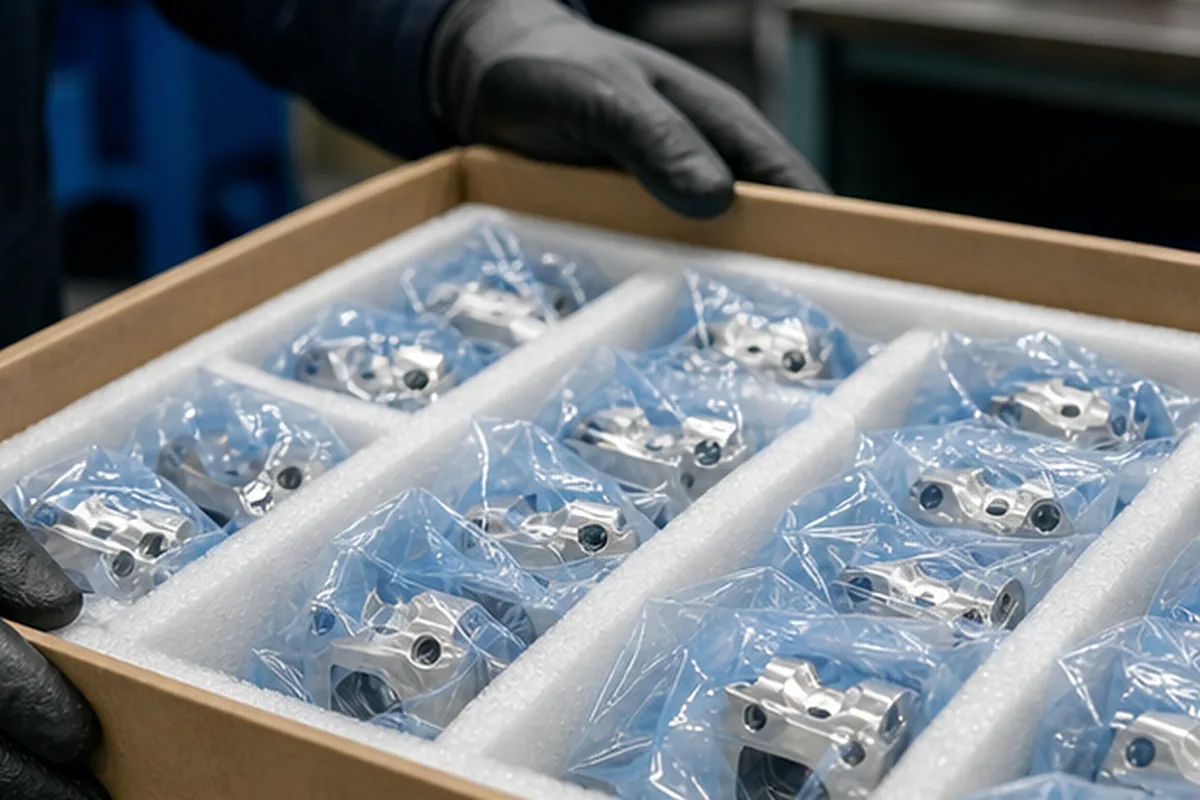
For CNC Machined Precision Brackets and Mounting Components, use the controlling 2D drawing and 3D model to define part number and revision, material and condition, quantity and annual demand, critical tolerances and GD&T, roughness, heat treatment, surface finish, inspection documents, packaging, delivery address and target date. Identify confidentiality restrictions and which DFM changes may be considered for this part.
Price and lead time can be confirmed only after geometry, material availability, programming, workholding, external processes, inspection effort, first-article approval and logistics are reviewed together.
Check the complete RFQ inputs before supplier comparison.
Define What the Bracket Must Align
Send mating-part information, load, hole datums, material, finish and quantity.