

Automation Hardware
CNC Machined Motor and Automation Components
Formexi machines mounts, housings, adapters, shafts, plates, sensor brackets and fixture components for automation equipment. The review focuses on assembly datums, motion alignment, bearing fits, repeatability, cable/connector access and maintainability.
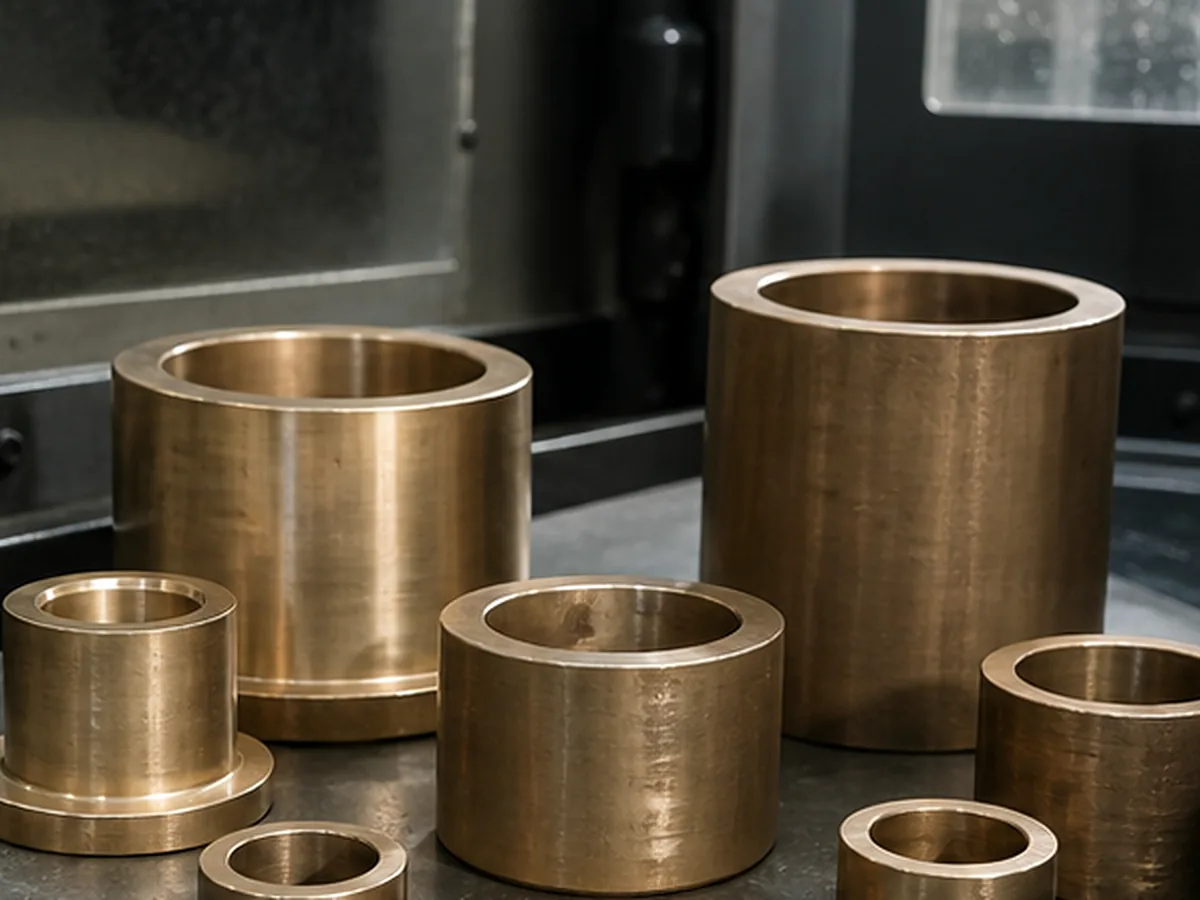
Common Component Types
- Motor mounts and gearbox adapters
- Sensor, camera and actuator brackets
- Bearing housings, shafts and couplings
- Robot and linear-motion mounting plates
- End-effectors, gripper bodies and fixture components
- Machine guards, covers and control enclosures
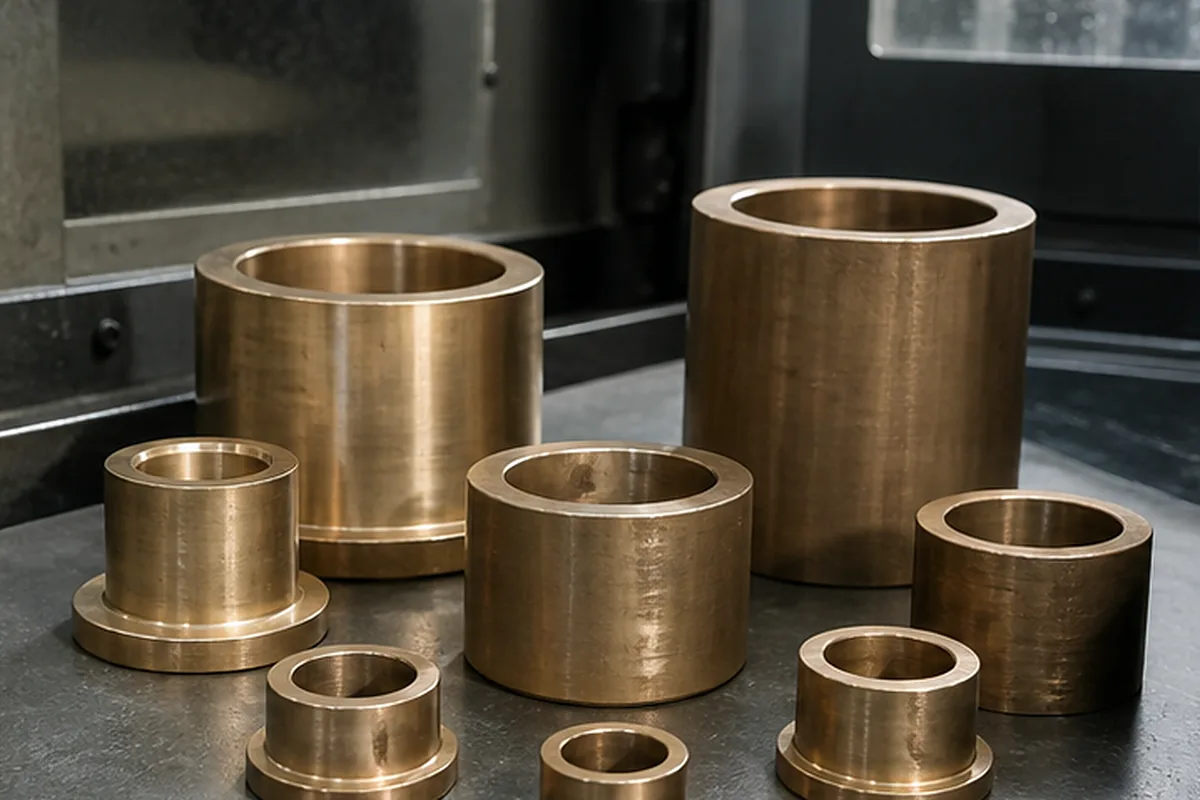
Functional Requirements
| Interface | What to define |
|---|---|
| Motor/gearbox register | Pilot diameter, hole pattern, runout and face |
| Bearing interface | Fit, shoulder, coaxiality and roughness |
| Linear-motion datum | Flatness, parallelism and assembly reference |
| Sensor/camera mount | Position, angle, adjustability and vibration |
| Maintenance interface | Tool access, replaceable wear elements and identification |
Prototype to Repeat Production
Automation parts often change during commissioning. Prototype feedback should be captured in a controlled revision before repeat production. Formexi reviews which fixtures, inspection and packaging should change once the design stabilizes.
Materials and Finishes
Aluminum supports lightweight mounts and anodized appearance; steel supports stiffness and wear; stainless suits selected environments; engineering plastics suit guides, insulation and low-friction elements. Ground or hardened inserts may be used locally where wear is concentrated. Specify the governing process type or class, thickness or dimensional effect, masking and acceptance criteria for the actual project.
Assembly Evidence
Where possible, provide the mating motor, bearing, rail or sensor drawing. Checking a part against its functional interface often finds issues that isolated dimensional inspection misses.
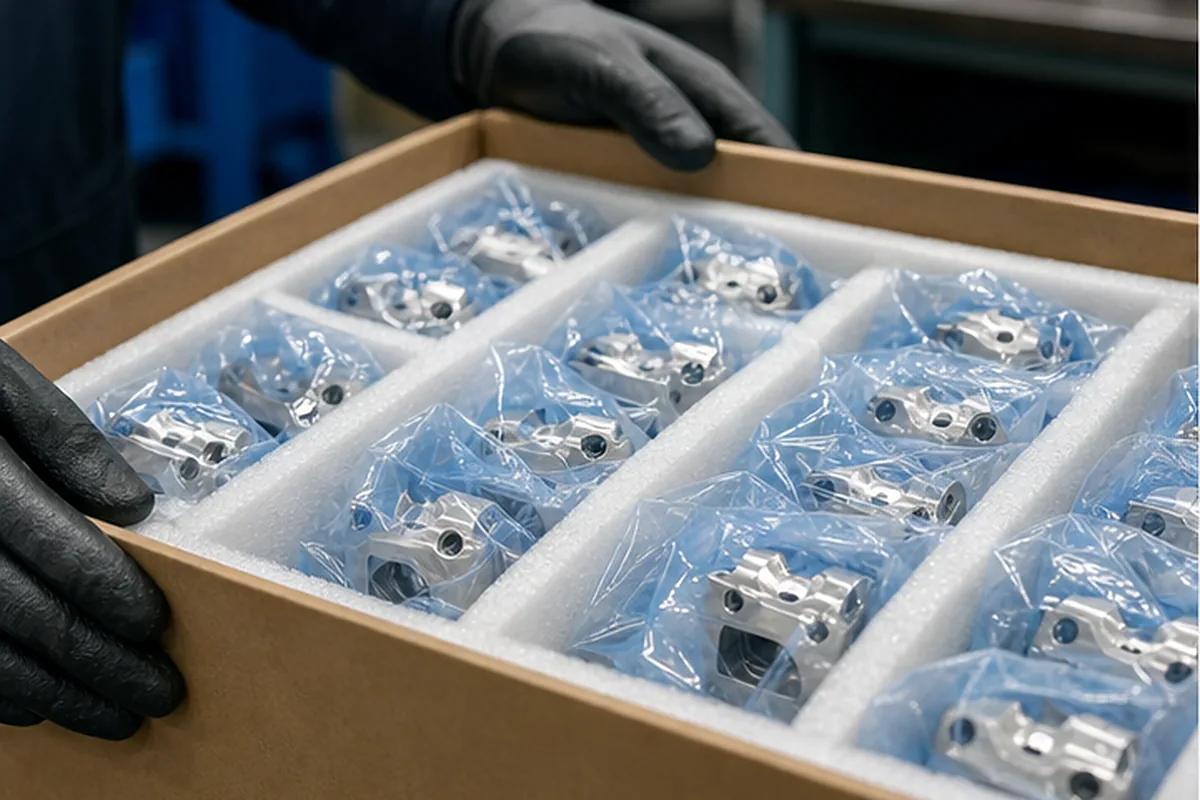
Apply CNC Machined Motor and Automation Components to the Buyer Decision
For CNC Machined Motor and Automation Components, use the controlling 2D drawing and 3D model to define part number and revision, material and condition, quantity and annual demand, critical tolerances and GD&T, roughness, heat treatment, surface finish, inspection documents, packaging, delivery address and target date. Identify confidentiality restrictions and which DFM changes may be considered for this part.
Price and lead time can be confirmed only after geometry, material availability, programming, workholding, external processes, inspection effort, first-article approval and logistics are reviewed together.
Check the complete RFQ inputs before supplier comparison.
Review the Complete Automation Interface
Send mating-part data, load, alignment, travel, material, finish and batch requirements.