

Machined Enclosures
CNC Machined Aluminum Enclosures for Electronics and Equipment
Formexi machines aluminum enclosures where protection, mounting, connector alignment, heat transfer and appearance must be controlled together. Alloy, wall thickness, internal pocketing, cover seal, anodizing and cosmetic surfaces are reviewed before quotation.
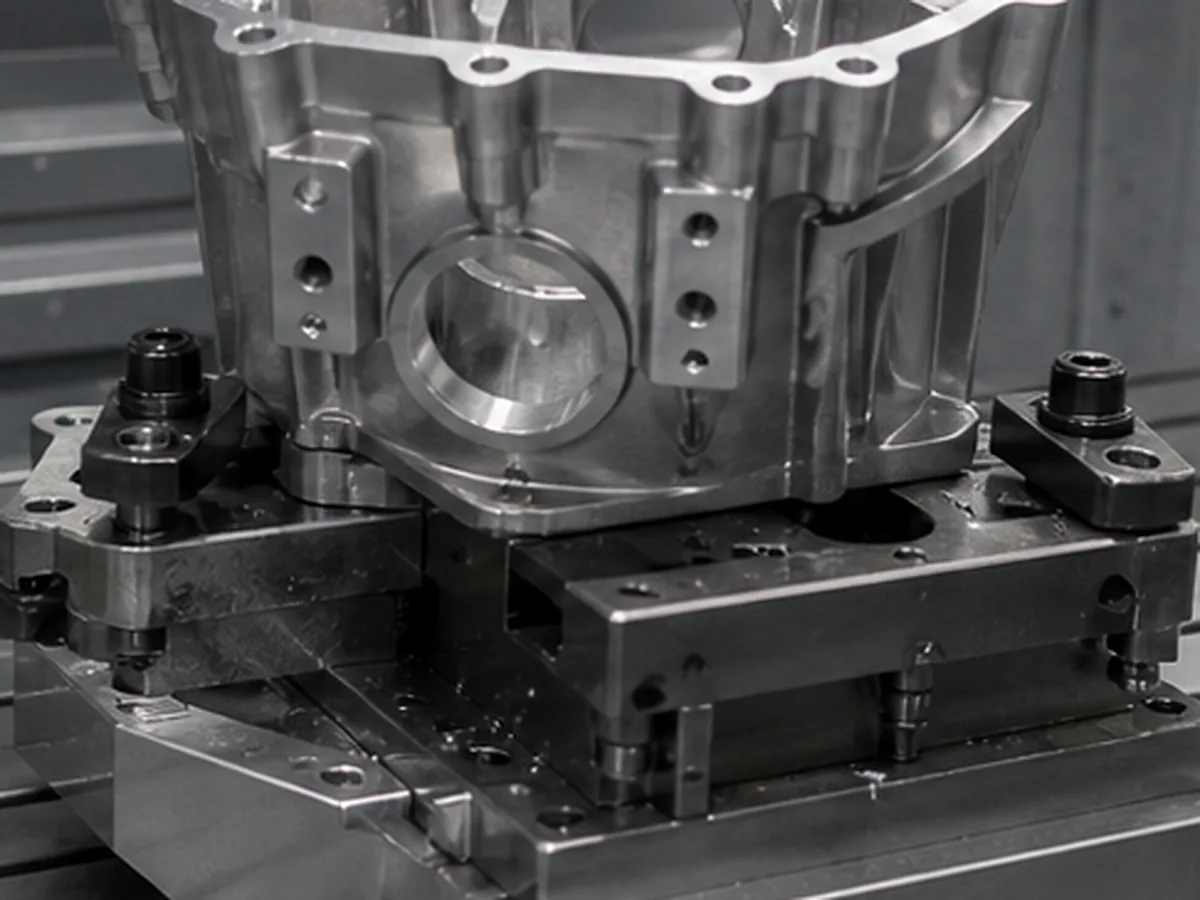
Typical Enclosure Features
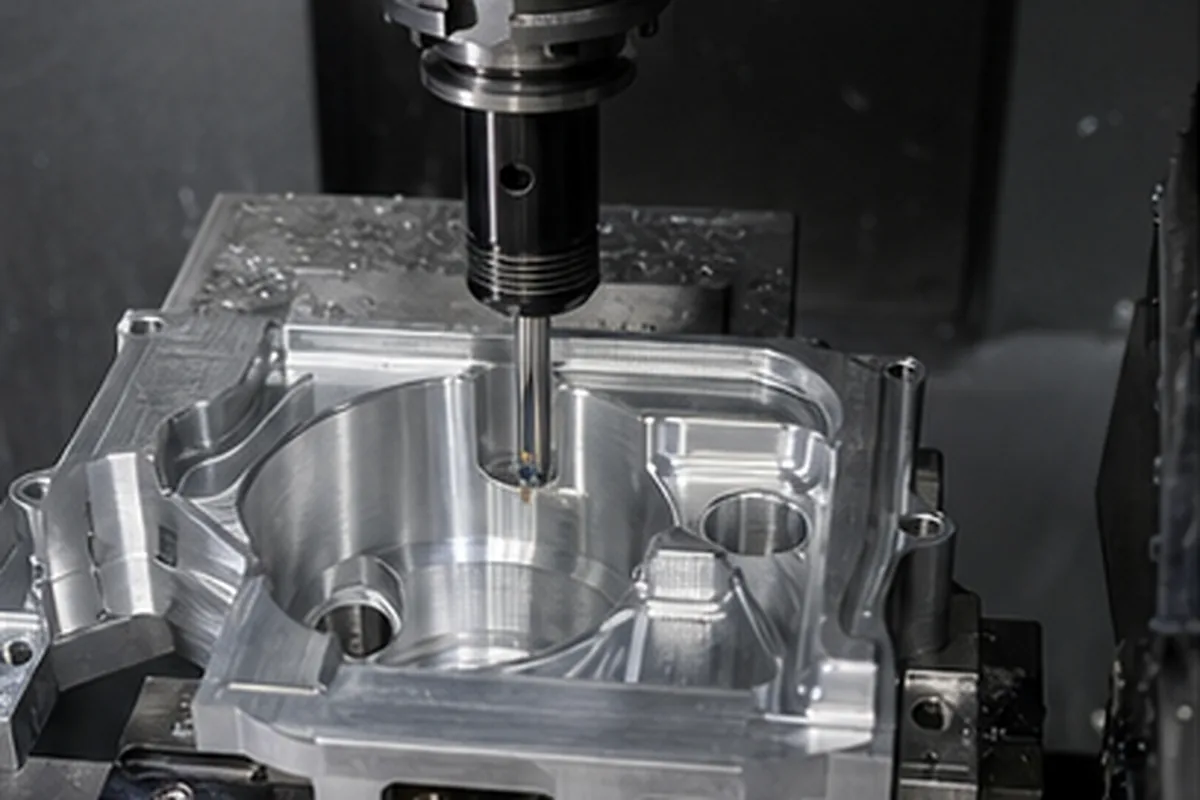
- Deep internal pockets and component mounting bosses
- Connector, cable and display openings
- Threaded cover and internal mounting holes
- Gasket grooves and sealing faces
- Heat-transfer surfaces and fins
- External cosmetic faces, engraving and marking
Alloy Selection
6061-T6 is a common starting point for general machined enclosures because of availability, machinability and finishing options. 7075 may be considered for higher structural requirements, while 5xxx alloys or another material may suit specific corrosion environments. Selection requires actual service conditions.
Thin Walls and Large Pockets
Removing most of a billet can release stress and move flat walls. Stable production may require balanced roughing, temporary ribs, revised clamping, intermediate relaxation, controlled stock or a design change. A lighter wall is not automatically cheaper if it creates more machining and inspection risk.
Sealing and Thermal Interfaces
| Interface | Drawing requirement |
|---|---|
| Gasket face | Flatness, roughness and allowed tool marks |
| Connector cutout | Position, orientation and mating clearance |
| Heat-transfer face | Flatness, roughness and coating/mask condition |
| Cover joint | Datum, thread, gap and finish allowance |
Cosmetic Finishing
Bead blasting and anodizing can create a controlled matte appearance, but alloy, machining, batch and handling affect color. Identify A/B/C surfaces, mask zones, grain/texture and approved sample. Protect visible faces throughout inspection and packaging.
Our Review Method for CNC Machined Aluminum Enclosures for Electronics and Equipment Requirements
The purchasing issue behind CNC Machined Aluminum Enclosures for Electronics and Equipment is that light-alloy parts can distort after heavy stock removal and can be marked during machining, finishing or packing; as a result, scratches, released stress, thin-wall movement and finish variation can delay assembly approval. Our response is to reviews temper and stock form, balances material removal, controls support and handling, and links anodize or conversion-coating allowance to the critical dimensions. The objective is to protect assembly and validation schedules while reducing preventable scrap, rework and supplier-change risk.
For the CNC Machined Aluminum Enclosures for Electronics and Equipment buying decision, before we confirm price or delivery, the buyer should send the exact alloy and temper, stock direction, wall and pocket geometry, cosmetic zones, post-finish fits, quantity and inspection condition. If a requirement cannot yet be verified, we keep it as an open condition instead of presenting it as a guaranteed result.
Apply CNC Machined Aluminum Enclosures for Electronics and Equipment to the Buyer Decision
For CNC Machined Aluminum Enclosures for Electronics and Equipment, use the controlling 2D drawing and 3D model to define part number and revision, material and condition, quantity and annual demand, critical tolerances and GD&T, roughness, heat treatment, surface finish, inspection documents, packaging, delivery address and target date. Identify confidentiality restrictions and which DFM changes may be considered for this part.
Price and lead time can be confirmed only after geometry, material availability, programming, workholding, external processes, inspection effort, first-article approval and logistics are reviewed together.
Check the complete RFQ inputs before supplier comparison.
Review Function and Appearance Together
Send internal component layout, mating interfaces, sealing, thermal and cosmetic requirements.