

Prototype Pricing
Why CNC Prototypes Cost More Per Part
CNC prototypes cost more per part because engineering review, CAM programming, setup, first-piece proving and inspection are spread across only a few pieces. The machine may cut one part quickly, but the order still needs a controlled process. Prototype cost should buy design learning and production-risk reduction, not merely one physical component.
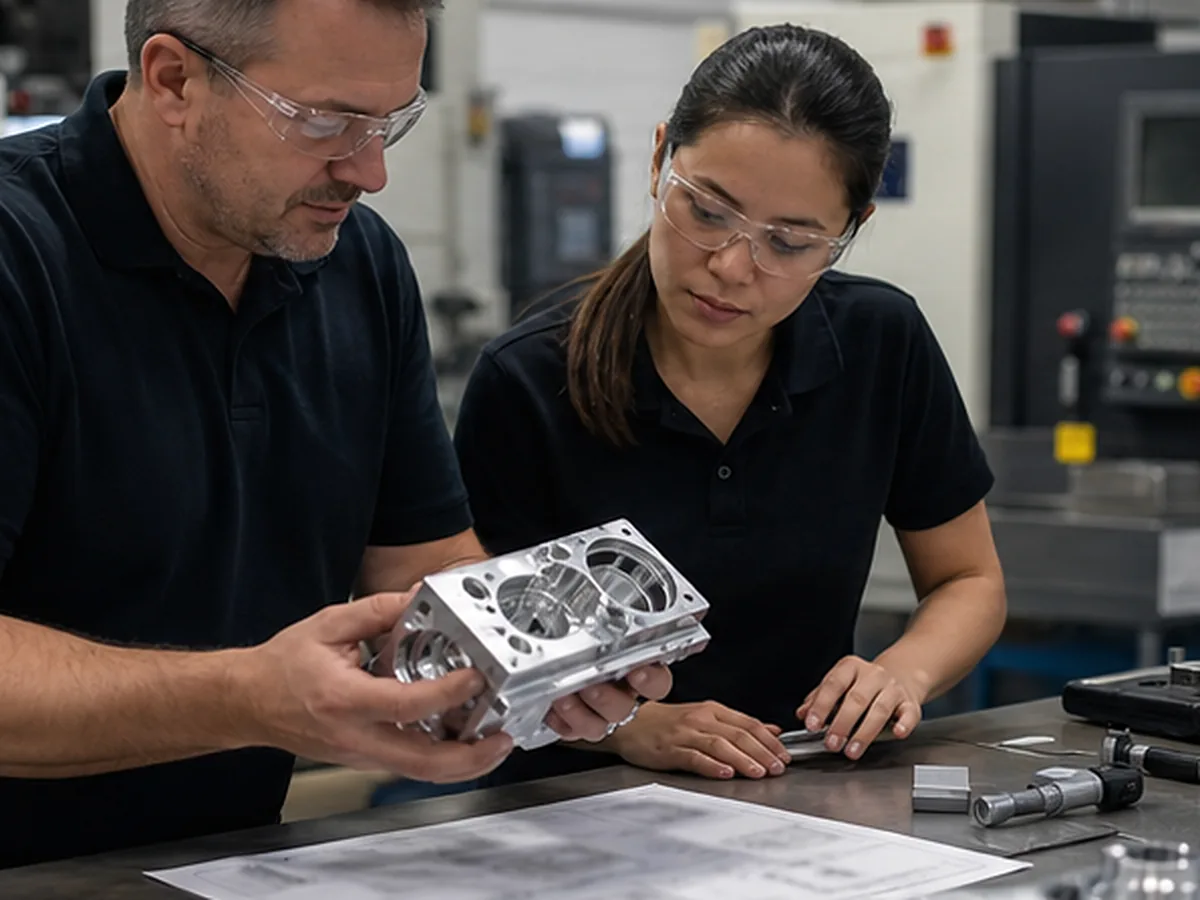
Work Required Before the First Cut
- Review model, drawing, material and finish
- Resolve inaccessible or ambiguous features
- Select stock, tools, setups and datum strategy
- Create and verify the CNC program
- Prepare workholding and inspection methods
- Prove the first setup and correct process issues
Most of this work is required whether the order contains one part or several hundred.
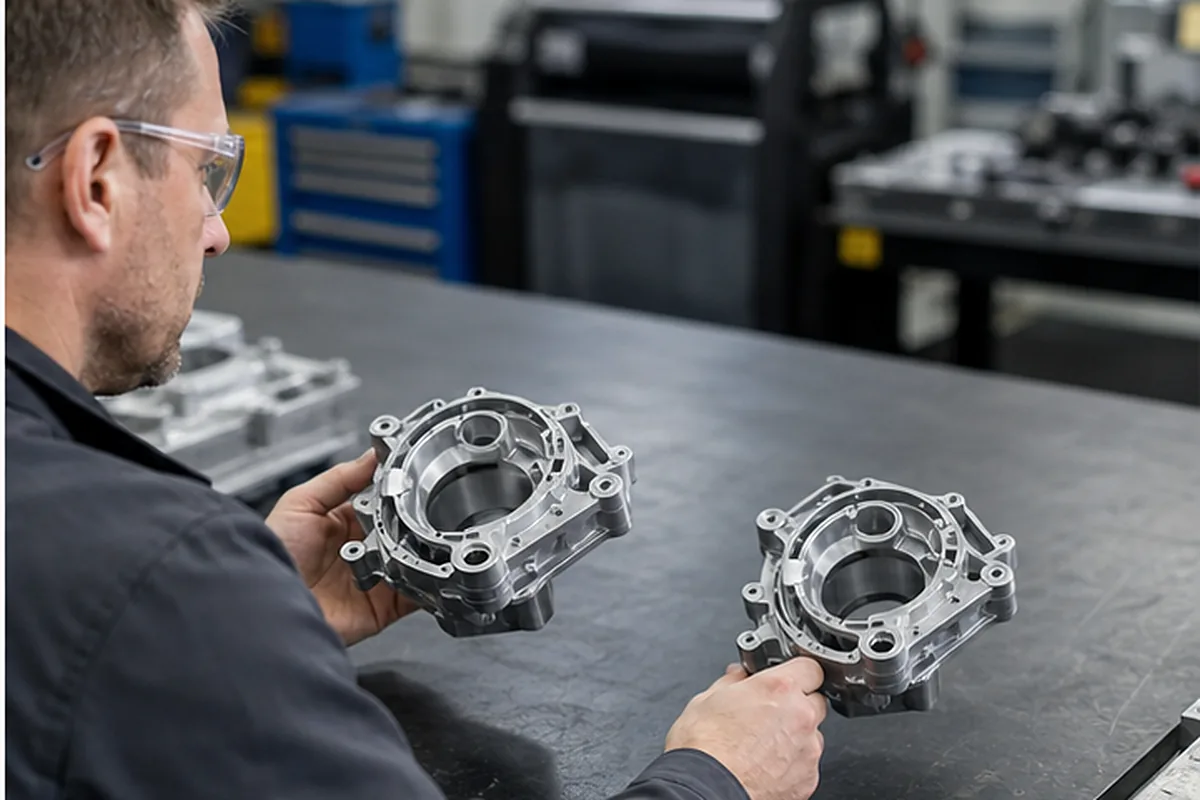
Prototype and Production Cost Structures Differ
| Prototype priority | Production priority |
|---|---|
| Fast learning and flexible changes | Repeatability and controlled throughput |
| Universal or soft workholding | Dedicated fixtures where justified |
| Higher setup share per part | Setup spread across batch |
| Frequent engineering communication | Frozen revision and control plan |
| Targeted validation inspection | Defined sampling and process control |
What Makes a Prototype Especially Expensive
- Complex geometry needing several orientations
- Special material purchased above the required quantity
- Dedicated tooling or inspection fixture
- Full production documentation on a single unit
- Custom finishing with batch minimums
- Urgent schedule that interrupts planned capacity
- Late revision changes after programming begins
Reduce Prototype Cost Without Hiding Risk
- State what the prototype must validate: fit, motion, load, appearance or process.
- Use production material only when the test depends on it.
- Relax non-functional tolerances and cosmetic surfaces.
- Separate immediate validation parts from final finished samples.
- Allow documented DFM alternatives before the design is frozen.
- Send one controlled revision and answer technical questions promptly.
Do Not Make the Prototype Misleading
A substitute material, manual rework or simplified finish may be acceptable for a fit check but invalid for fatigue, wear, corrosion or cosmetic approval. Record all prototype deviations and decide whether they must be removed or incorporated before production.
Ask What the Prototype Quote Includes
Confirm material, quantity, revision, finish, inspection report, delivery basis and whether production-oriented DFM is included. Also ask whether programming or fixture work can be reused after a design freeze; reuse depends on revision changes and process suitability.
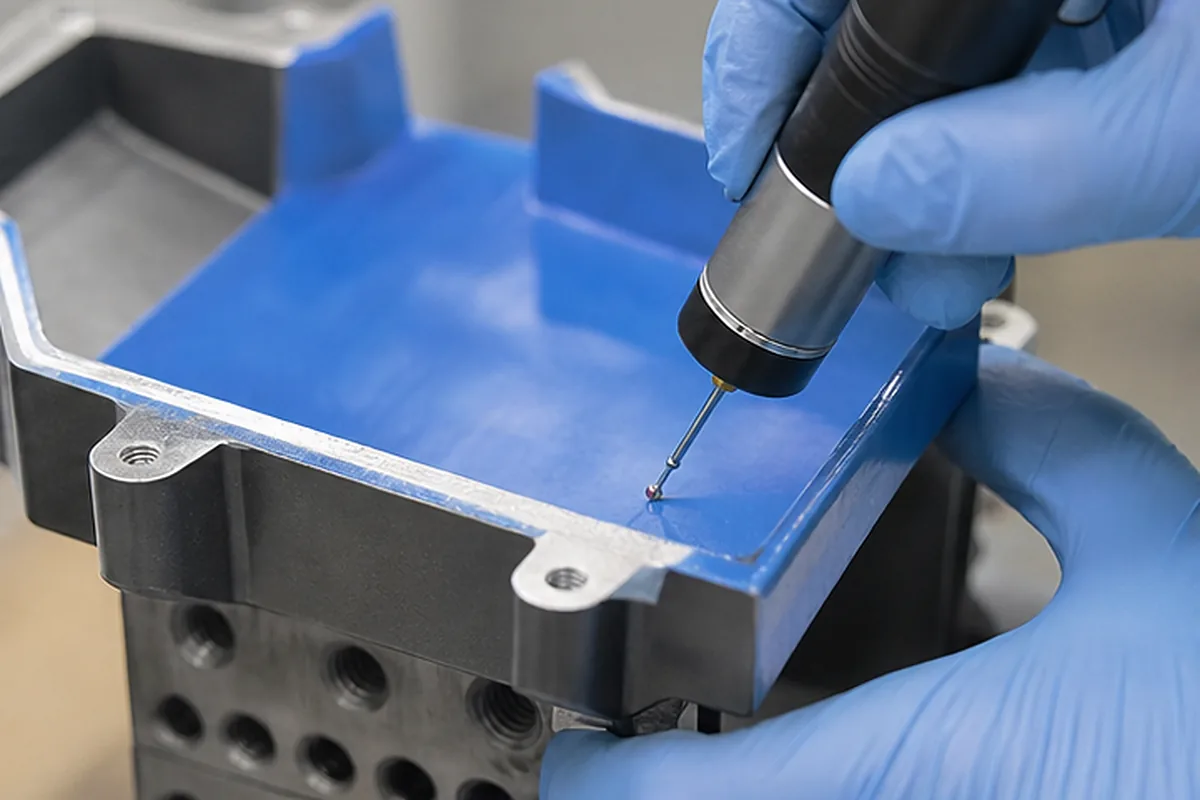
Our Review Method for Why CNC Prototypes Cost More Per Part Requirements
When an incomplete RFQ or an unclear approval route makes price and delivery comparisons unreliable, late material, drawing, finish or inspection changes can create re-quotation, idle time and missed project dates. For Why CNC Prototypes Cost More Per Part, our engineering and quotation review separates material, programming, workholding, machining, external processing, inspection, approval and logistics dependencies before confirming the commercial plan. This helps reduce rework, approval delays and avoidable purchasing cost without turning a screening assumption into a capability guarantee.
For the Why CNC Prototypes Cost More Per Part buying decision, we confirm the route only after reviewing controlled files and revision, exact material, prototype and annual quantity, target date, quality documents, packaging, destination and acceptable DFM changes. Any unresolved item is listed as an RFQ clarification so the buyer can compare scope, evidence, price and lead time on the same basis.
Confirm the Process for CNC Prototypes Cost More Per Part
For CNC Prototypes Cost More Per Part, submit the 2D drawing and 3D model with matching revision, exact material and condition, quantity and repeat demand. Identify relevant datums, critical tolerances, GD&T, threads, difficult-access geometry, thin walls, roughness, heat treatment and finish requirements.
The route for CNC Prototypes Cost More Per Part may require multiple setups, dedicated workholding, intermediate inspection or a justified secondary process. Select grinding, EDM, stress relief or post-finish verification only when the geometry and function require it; machine axis count alone does not establish final capability.