

Buyer Nonconformance Guide
What to Do When CNC Parts Fail Inspection
When CNC parts fail inspection, stop use and shipment, identify the affected lot, preserve evidence, verify the requirement and measurement method, then choose a documented disposition: rework, repair, use-as-is, return or scrap. Do not sort or alter every part before the supplier can verify the condition unless immediate containment is necessary for safety or operations.
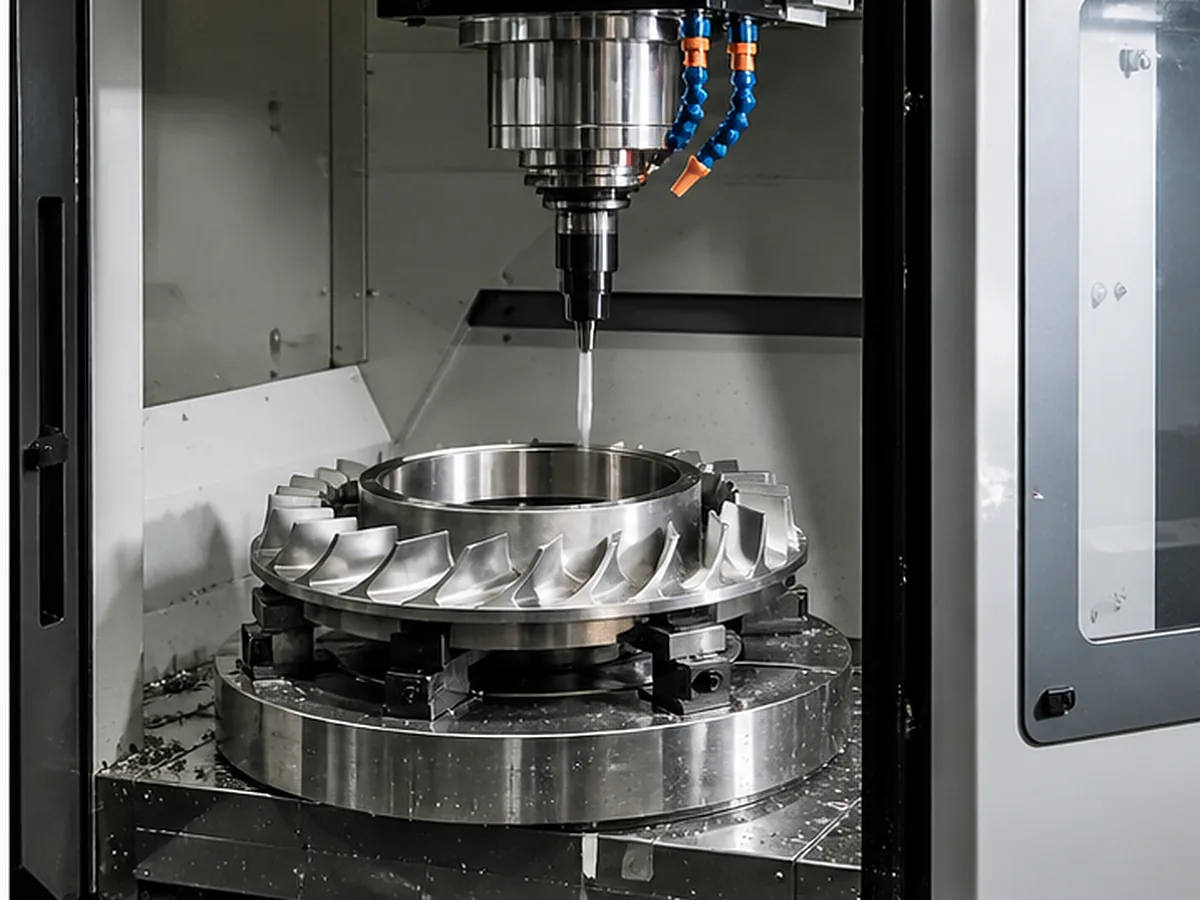
Immediate Containment
- Quarantine the received and in-process quantity.
- Record part number, revision, PO, lot, package and quantity.
- Photograph labels, packaging and the defect without editing the originals.
- Preserve measurement results, equipment and setup information.
- Check whether any suspect parts entered assemblies or customer shipments.
- Notify the supplier with a clear response deadline.
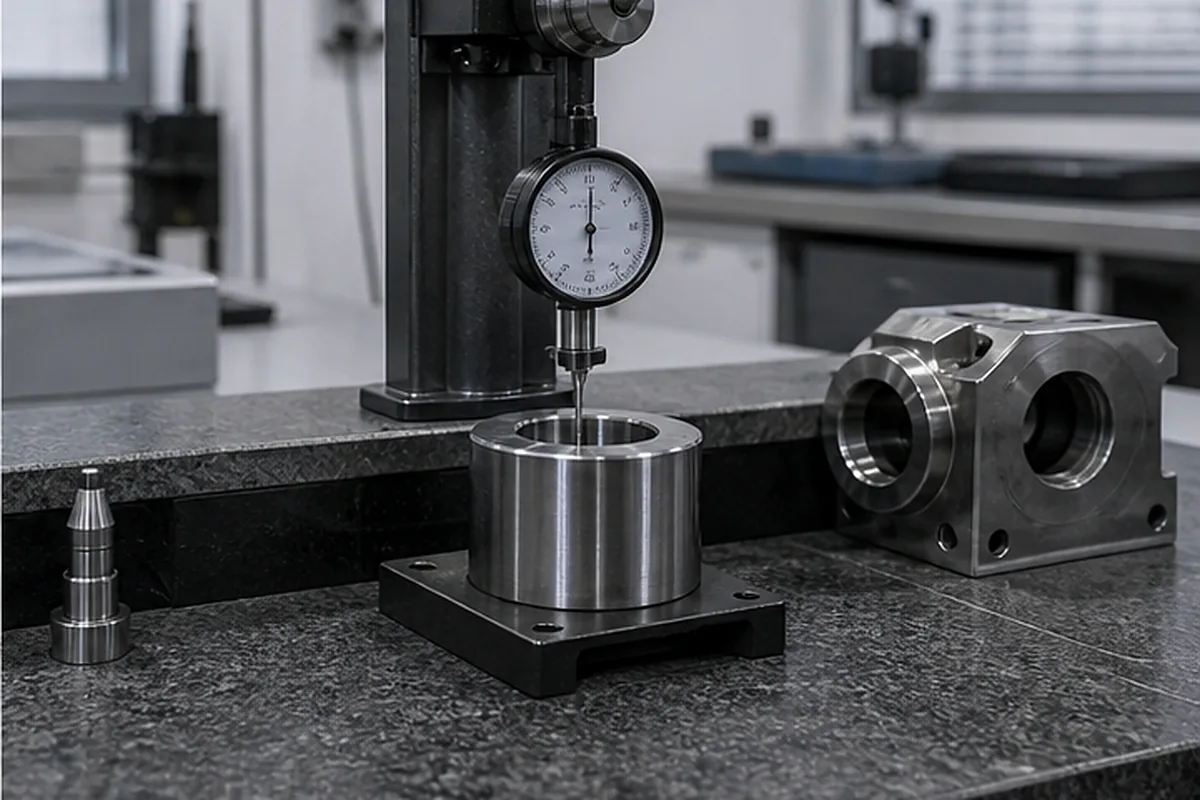
Verify That the Failure Is Real and Reproducible
Compare the drawing revision, units, tolerance, datum setup, finish condition, temperature, cleanliness and measurement method. Repeat a limited sample with an agreed method when results conflict. Verification does not mean dismissing the buyer’s finding; it prevents corrective action against the wrong cause.
Send a Complete Nonconformance Notice
| Include | Why it matters |
|---|---|
| Part/PO/revision/lot | Defines the affected product |
| Requirement and actual result | Shows the size and direction of failure |
| Quantity checked and failed | Supports containment planning |
| Measurement method | Allows result reproduction |
| Photos or report | Preserves evidence |
| Operational impact | Sets response priority |
| Requested action/date | Prevents an open-ended response |
Choose the Correct Disposition
- Rework: restores the part fully to the original requirement.
- Repair: makes the part usable through an approved method that may differ from the original definition.
- Use-as-is: design authority accepts the known departure for a defined quantity.
- Return/replacement: supplier receives or replaces affected product.
- Scrap: prevents unintended use when no safe approved recovery exists.
Supplier suggestion is not design approval. Use-as-is and repair require authorization from the party that owns the requirement.
Require Root Cause, Not a Generic Promise
A corrective response should distinguish occurrence cause, escape cause and system cause. Evidence may include program/revision checks, tool or fixture findings, time-ordered inspection, retraining records or revised controls. “Operator reminded” is weak unless human error is demonstrated and the process is changed to prevent recurrence.
Verify Corrective Action
- Confirm all suspect stock and shipments were contained.
- Review the correction against the identified cause.
- Inspect replacement or reworked parts to the agreed scope.
- Check whether the change introduces new risks.
- Monitor the next defined batches before closure.
- Retain deviation and corrective records with lot traceability.
Commercial Questions Should Be Kept Explicit
Agree responsibility for sorting, return freight, rework, replacement, schedule impact and destroyed parts using the purchase terms and verified cause. Do not let commercial negotiation replace technical containment, and do not destroy disputed parts before evidence and disposition are agreed.
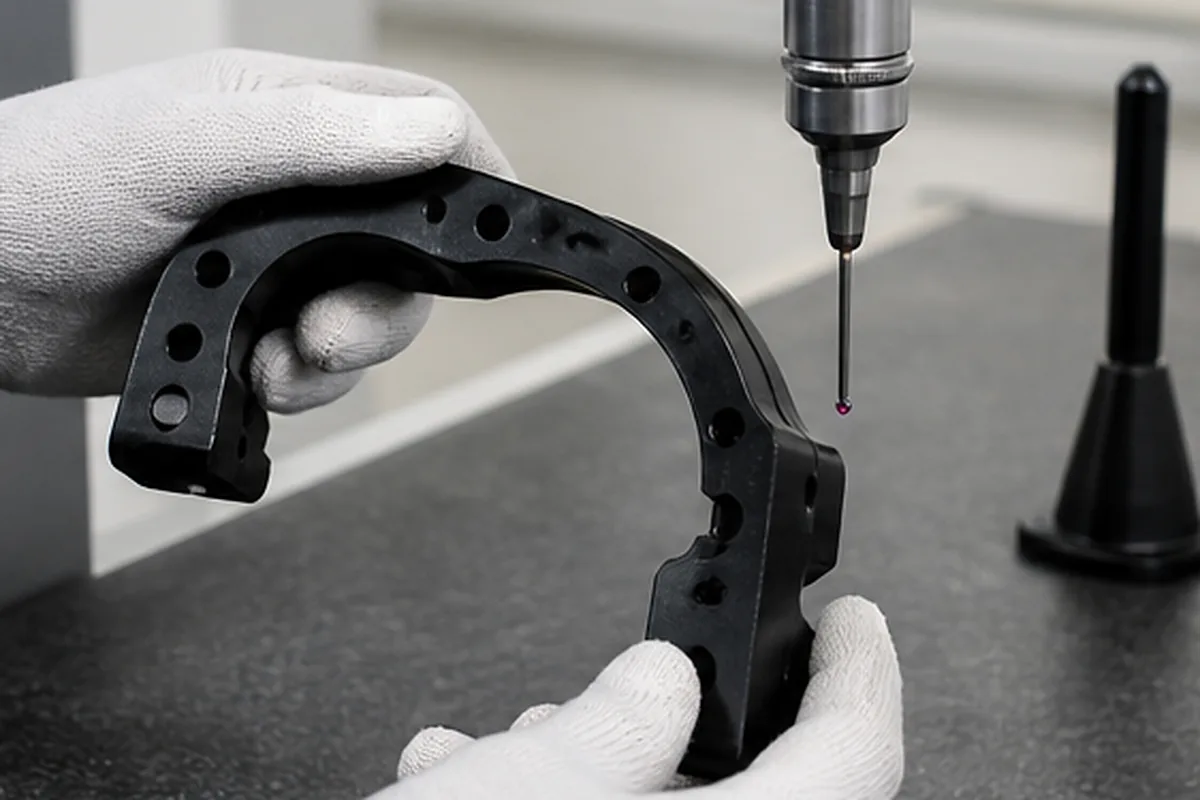
What Our Project Review Resolves Before Quoting What to Do When CNC Parts Fail Inspection
When buyers need evidence that the correct revision, material and critical dimensions were accepted—not only a list of measuring equipment, missing methods, sampling rules or lot identity can make a report unusable during assembly or supplier approval. For What to Do When CNC Parts Fail Inspection, our engineering and quotation review defines the first-piece, in-process and final checks by feature risk, then aligns equipment access, frequency, actual-value records and nonconformance reaction. This helps reduce rework, approval delays and avoidable purchasing cost without turning a screening assumption into a capability guarantee.
For the What to Do When CNC Parts Fail Inspection buying decision, we confirm the route only after reviewing the ballooned drawing, critical-characteristic list, lot and revision, sampling or full-inspection scope, report format and certificate requirements. Any unresolved item is listed as an RFQ clarification so the buyer can compare scope, evidence, price and lead time on the same basis.