

Permanent Identification
Laser Marking for CNC Machined Parts
Formexi coordinates laser marking for logos, part numbers, serial numbers, QR/Data Matrix codes and traceability information on suitable metal and plastic parts. Mark content, location, size, contrast, permanence and customer authorization must be approved before production.
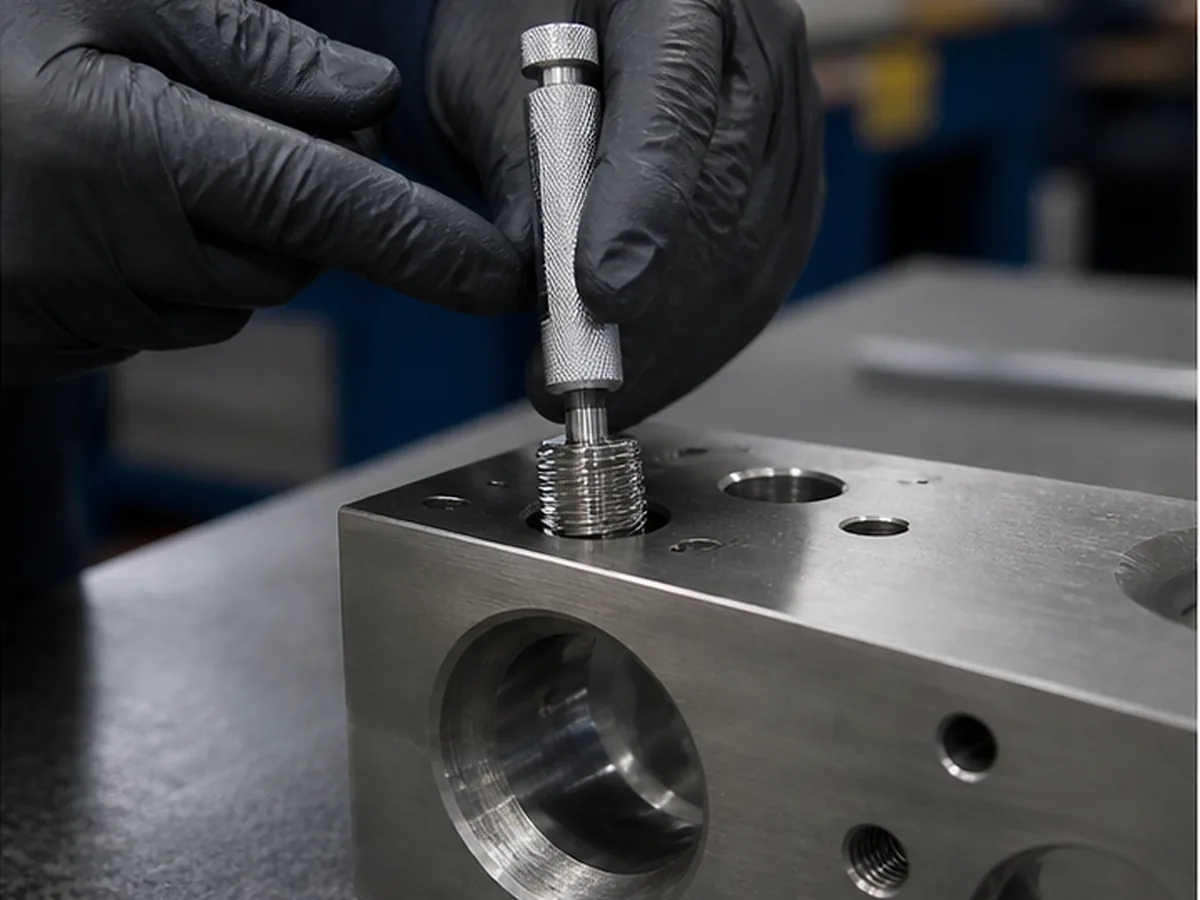
Information Required for Marking
- Vector artwork or controlled text
- Exact location, orientation and marking area
- Character/code size and required readability
- Serial-number generation and data source
- Surface finish before or after marking
- Human-readable, scanner or durability acceptance test
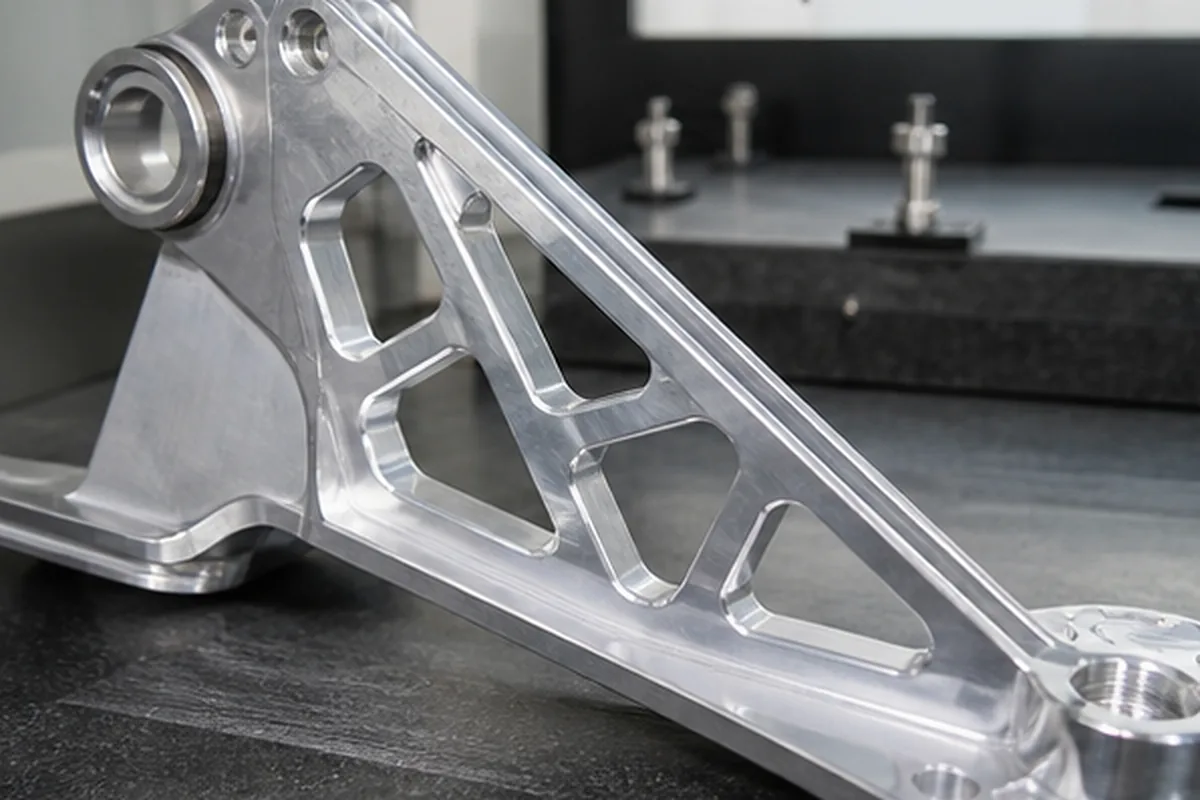
Marking Result Depends on Material and Finish
Aluminum, stainless steel, coated parts and plastics respond differently. A mark made before anodizing or coating may look and perform differently from one made afterward. Sample validation is recommended for strict contrast, color or scanner performance.
Depth Versus Surface Mark
Laser marking may produce color change, surface contrast or material removal depending on process. If depth is functional, specify and measure it. A dark visible mark is not automatically engraved to a controlled depth.
Serialization and Revision Control
Define who supplies serial data, how duplicates are prevented, how rejected parts are handled and what record is retained. Customer trademarks and regulated marks require written authorization.
Inspection
Checks may include content, position, orientation, contrast, scan result, depth and cosmetic damage. Code grade or verification method must be stated if machine readability is contractual.

How We Reduce Sourcing and Manufacturing Risk for Laser Marking for CNC Machined Parts
A useful supplier solution for Laser Marking for CNC Machined Parts starts when a finish can change dimensions, hide burrs, create color variation or damage cosmetic and sealing surfaces. Because late finish decisions can turn acceptable machined parts into rejected final parts, our project review coordinates machining allowance, pretreatment, masking, rack-contact location, thread and fit protection, handling and post-process inspection as one route. That approach helps the buyer avoid paying for the wrong process and lowers the chance of discovering a critical issue after machining or finishing.
For the Laser Marking for CNC Machined Parts buying decision, our review needs base material, process type/class, thickness, color or texture sample, masks, critical post-finish dimensions, tests and packaging. We record assumptions, approval points and evidence requirements before the quotation becomes the production baseline.
Control Laser Marking for CNC Machined Parts on the Drawing
For Laser Marking for CNC Machined Parts, identify the base material and condition, process standard, type or class, target thickness where applicable, color or texture, pretreatment, masking and rack-contact limits. Mark the threads, bores, datum surfaces, contacts, sealing faces and fits that need protection or post-process verification.
For Laser Marking for CNC Machined Parts, state whether dimensions apply before or after treatment and define thickness, appearance, adhesion, corrosion or certificate checks only where required. Quantity, approved-processor requirements and first-article approval then become part of price and lead-time review.
Approve Marking Before the Batch Runs
Send artwork, data rules, position, surface condition and acceptance method.