

Aluminum Conversion Coating
Chemical Conversion Coating for CNC Machined Aluminum Parts
Formexi coordinates chemical conversion coating, often referenced by trade names such as Alodine, for aluminum parts requiring corrosion support, paint adhesion or electrical-conductivity considerations with less dimensional effect than anodizing. The exact chemistry and compliance standard must be specified.
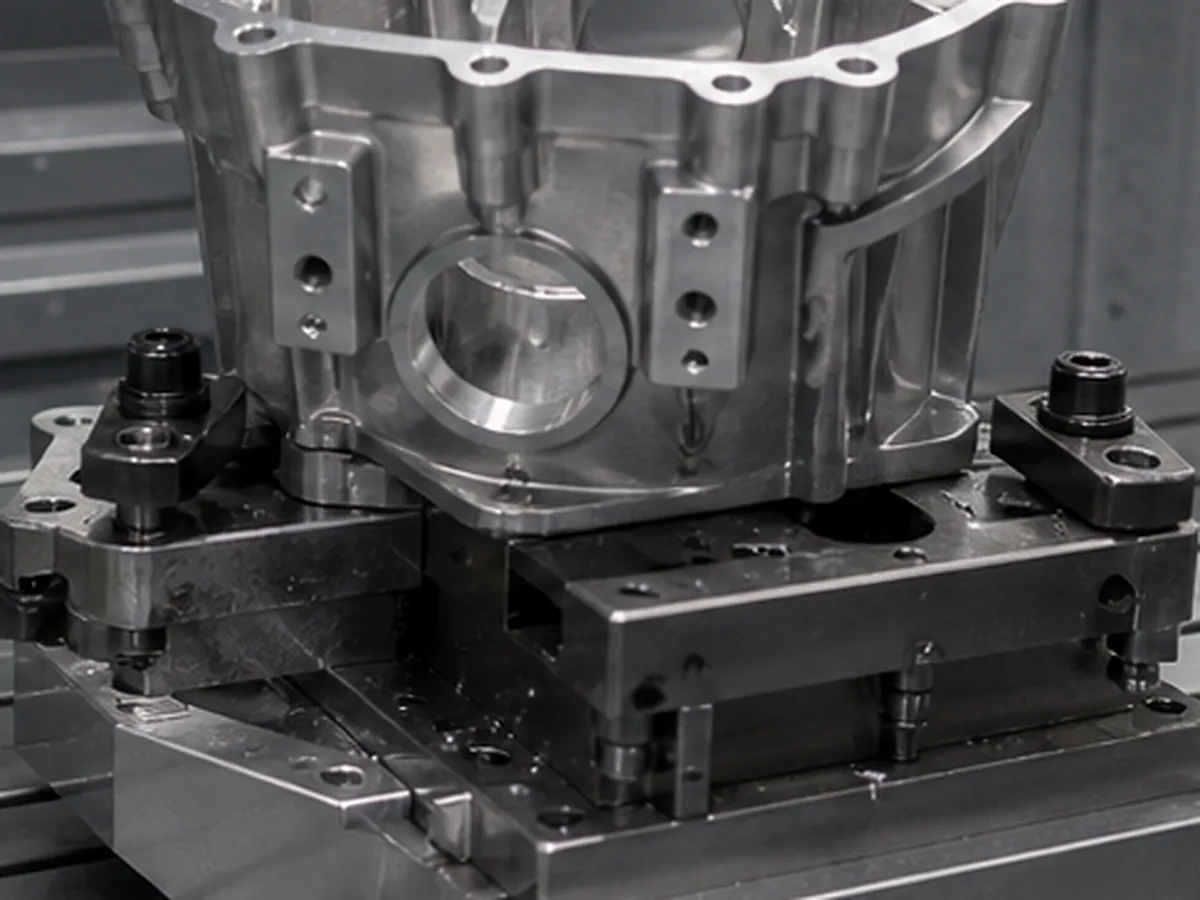
When Chemical Conversion Is Considered
- Aluminum parts requiring a thin conversion layer
- Surface preparation before painting
- Electrical bonding or grounding areas where an appropriate class is specified
- Clear or yellow appearance under a governing standard
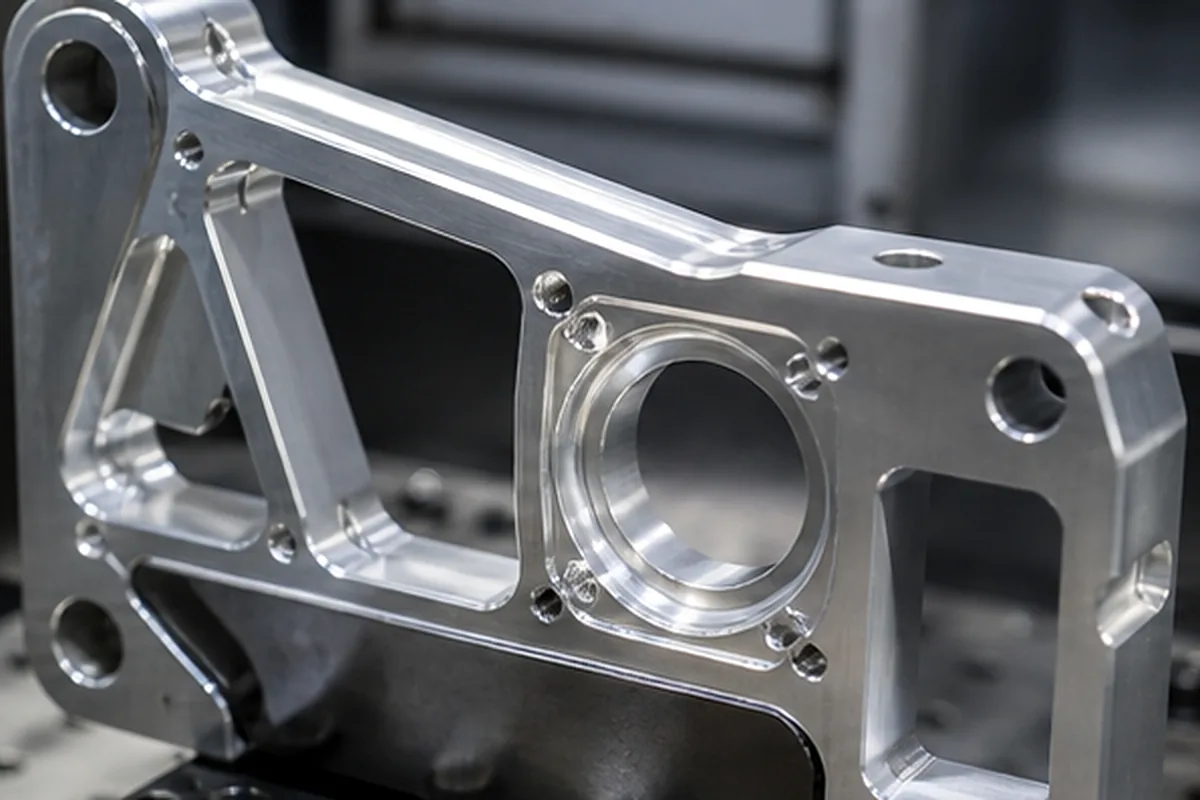
Conversion Coating Versus Anodizing
| Decision factor | Chemical conversion | Anodizing |
|---|---|---|
| Layer and dimensional effect | Generally lower | Higher and more functionally significant |
| Wear resistance | Limited | Better, especially hard anodizing |
| Electrical behavior | Selected classes may support conductivity needs | Oxide is generally insulating |
| Decorative color | Limited | Broader Type II options |
Hexavalent and Trivalent Chemistry
Traditional and newer chemistries differ in appearance, electrical behavior and restricted-substance compliance. State RoHS/REACH, customer, defense or aerospace specification requirements before process selection. Formexi does not infer compliance from the term “Alodine.”
Surface and Handling
Cleaning and deoxidizing affect coating quality. The conversion layer is thin and can be damaged by abrasion or fingerprints. Cosmetic expectations should be realistic and separate from functional acceptance.
Documentation
Request chemistry/class, governing specification, certificate, coating weight or corrosion/electrical test where required. Aerospace-related specifications require approved process sources and quality controls that must be verified before acceptance.
Standards and Regulatory Sources Used on This Page
For Chemical Conversion Coating for CNC Machined Aluminum Parts, these primary sources define the scope of cited standards or regulations. They do not prove Formexi certification, a customer approval or project compliance; those require current, scope-matched records.
Control Chemical Conversion Coating for CNC Machined Aluminum Parts on the Drawing
For Chemical Conversion Coating for CNC Machined Aluminum Parts, identify the base material and condition, process standard, type or class, target thickness where applicable, color or texture, pretreatment, masking and rack-contact limits. Mark the threads, bores, datum surfaces, contacts, sealing faces and fits that need protection or post-process verification.
For Chemical Conversion Coating for CNC Machined Aluminum Parts, state whether dimensions apply before or after treatment and define thickness, appearance, adhesion, corrosion or certificate checks only where required. Quantity, approved-processor requirements and first-article approval then become part of price and lead-time review.
Choose Conversion Coating by Function and Compliance
Provide alloy, class, chemistry restriction, electrical, paint and certificate requirements.